March 23, 2026
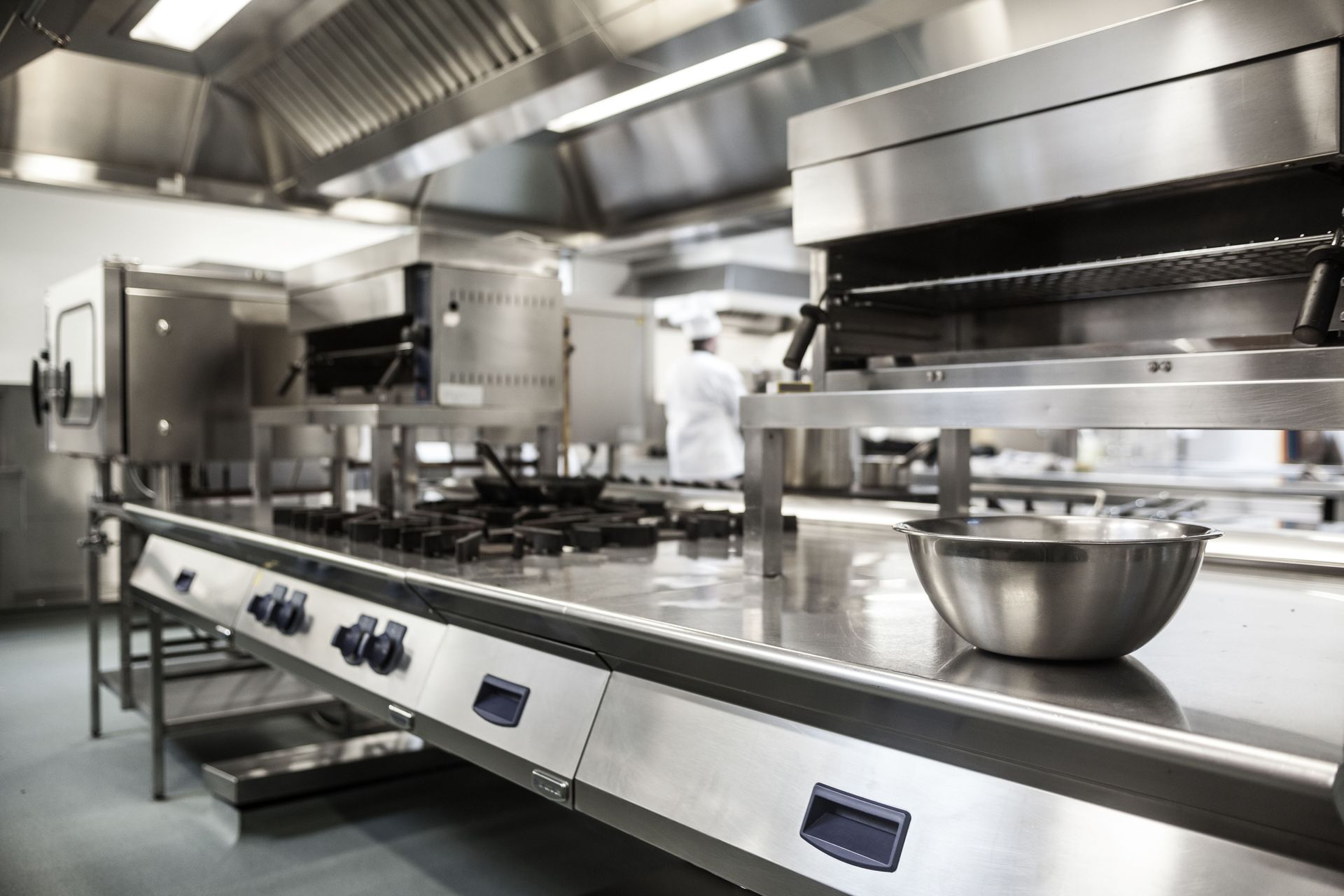
Restaurants operate in fast-paced environments where heat, open flames, hot oils, and high-powered cooking equipment are used throughout the day. While these tools are essential for preparing meals efficiently, they also introduce potential fire hazards if not managed properly. Kitchen fires can develop quickly and may cause damage to equipment, disrupt operations, and place staff and customers at risk if proper precautions are not in place.
Because restaurant kitchens operate under intense conditions, preparation is one of the most effective ways to reduce fire risks. Safety planning, equipment maintenance, and staff training all play a role in creating a kitchen environment that prioritizes protection. A proactive approach allows restaurant owners and managers to identify hazards early and respond effectively if an emergency occurs.
According to the FDNY Certificate of Fitness study in January 2025, cooking equipment was responsible for approximately half of the structural fires in eating and drinking establishments. This statistic highlights how important it is for restaurants to take fire prevention seriously and maintain proper safety systems.
While fires cannot always be predicted, preparation can significantly reduce the likelihood of serious damage or injury. In this article, we will explore practical steps restaurants can take to prepare for unexpected kitchen fires and create safer commercial cooking environments.
Understanding the Most Common Kitchen Fire Risks
One of the first steps in preparing for unexpected kitchen fires is understanding the most common risks present in restaurant kitchens. Cooking environments combine high temperatures, grease buildup, and electrical equipment, all of which can create conditions where fires may start.
Grease accumulation is one of the leading causes of kitchen fires. When grease builds up inside cooking equipment, ventilation systems, or exhaust ducts, it can ignite when exposed to high heat or open flames. Regular cleaning and inspection help prevent grease from reaching dangerous levels.
Cooking oils also pose risks when overheated. Fryers, griddles, and stovetops must be monitored closely to avoid oil temperatures exceeding safe limits. If oil ignites, the fire can spread quickly if not handled correctly.
Electrical equipment can also contribute to fire hazards. Worn wiring, overloaded circuits, and malfunctioning appliances may increase the risk of electrical fires in busy kitchens. Routine inspections of electrical systems help reduce these potential hazards.
By recognizing these risks, restaurant owners can take steps to implement preventative measures that reduce the chances of a fire starting in the first place.
Installing Reliable Fire Protection Systems
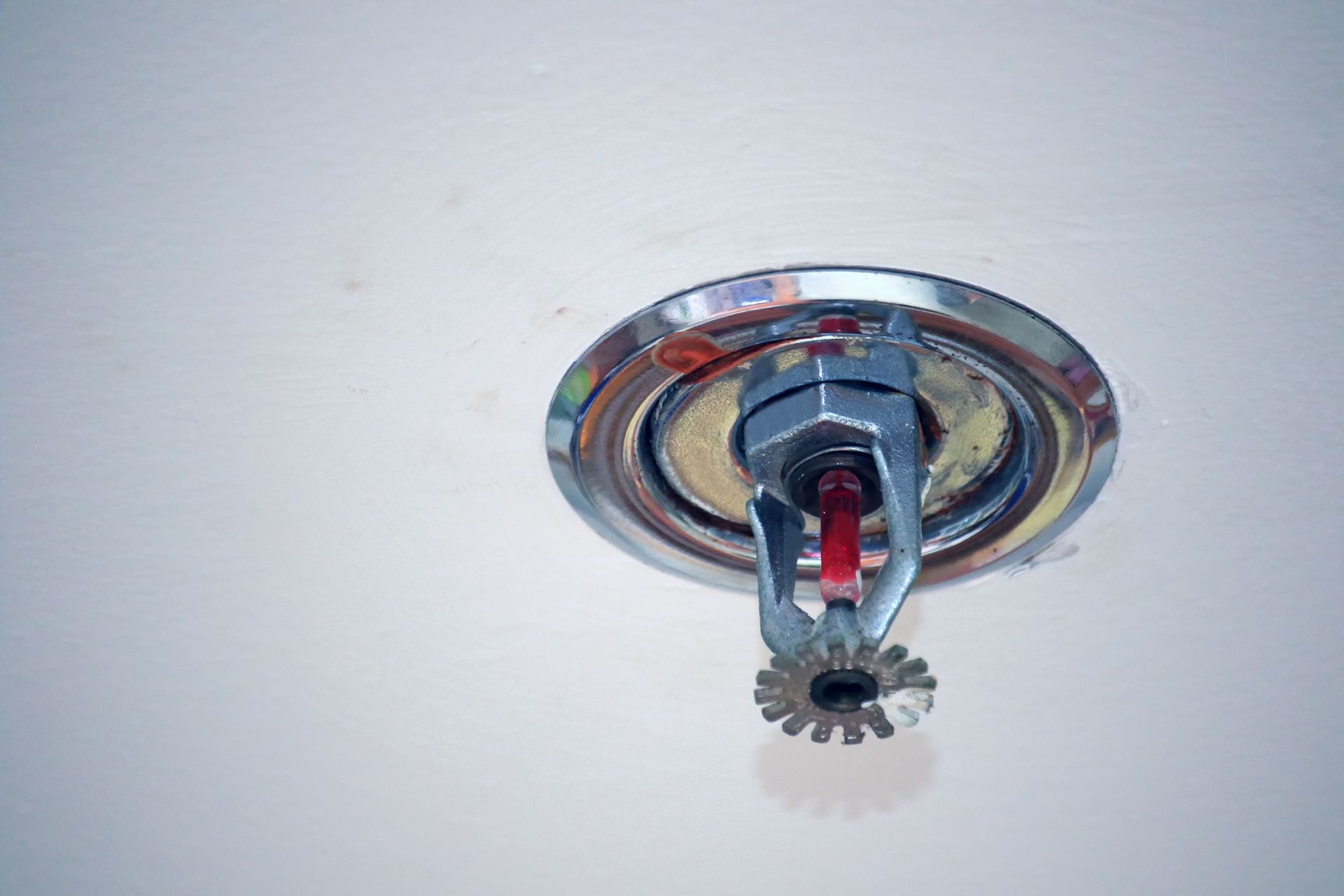
Fire protection systems play a crucial role in controlling fires before they spread throughout a restaurant. These systems are designed to detect and suppress flames quickly, minimizing damage and protecting the people inside the building.
Many commercial kitchens rely on automatic suppression systems that activate when high temperatures or flames are detected near cooking equipment. These systems release fire-suppressing agents that help control fires at their source.
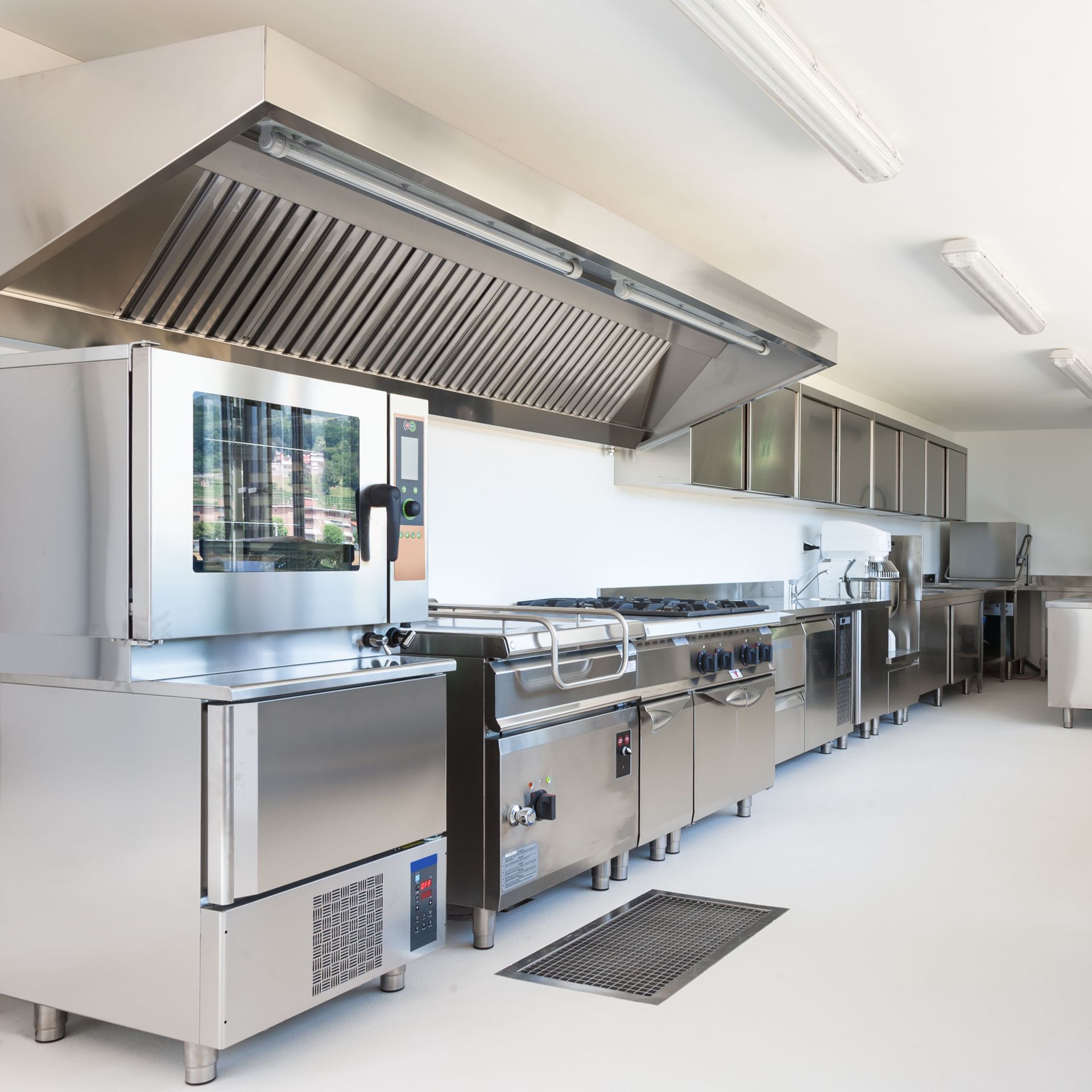
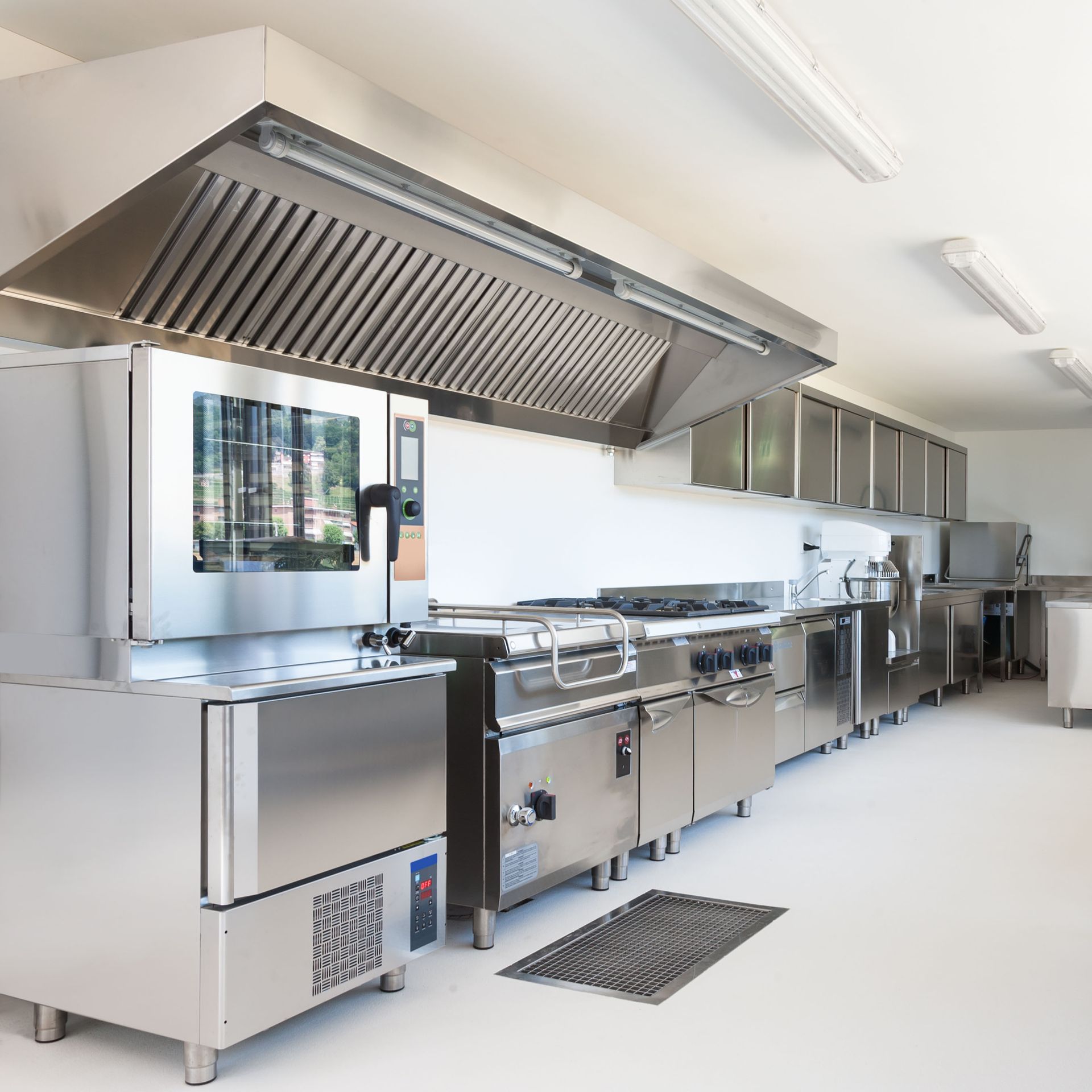
Proper ventilation also contributes to kitchen safety. Ventilation systems help remove heat, smoke, and grease vapors from the cooking area, reducing the conditions that allow fires to develop. Restaurants that invest in local commercial kitchen exhaust installation often improve both fire safety and kitchen airflow.
Professional installation is important because exhaust systems must meet specific safety standards and building codes. A well-designed ventilation system helps capture grease particles and direct them away from cooking surfaces before they accumulate in dangerous areas.
When combined with fire suppression equipment, proper ventilation systems form an important layer of protection for commercial kitchens.
Maintaining Exhaust and Ventilation Systems
Regular maintenance of exhaust and ventilation systems is another important step in preventing kitchen fires. Over time, grease and debris can accumulate inside exhaust hoods, ducts, and fans. If left uncleaned, this buildup may become highly flammable.
Routine inspections allow restaurant operators to identify grease accumulation early and schedule professional cleaning when necessary. Many fire safety guidelines recommend regular cleaning schedules based on the type and frequency of cooking activities performed in the kitchen.
Restaurants that rely on local commercial kitchen exhaust installation services often benefit from improved airflow and safer grease management. These systems help remove grease-laden vapors before they have the opportunity to settle inside ventilation ducts.
Maintaining these systems also helps equipment operate more efficiently. When airflow is unobstructed, kitchens can maintain comfortable working temperatures while reducing the strain placed on ventilation equipment.
Regular cleaning and maintenance help confirm that ventilation systems remain effective in supporting fire safety efforts.
Training Staff to Respond to Fire Emergencies
Even with preventative measures in place, restaurant staff should be prepared to respond quickly if a fire occurs. Training employees to handle emergency situations helps prevent panic and allows staff to take appropriate action during critical moments.
Kitchen staff should understand how different types of fires behave. For example, grease fires require different response methods than electrical fires. Attempting to extinguish a grease fire with water can cause the flames to spread rapidly.
Employees should be trained to recognize early warning signs of potential fire hazards, such as unusual smoke, excessive grease buildup, or malfunctioning equipment. Reporting these issues promptly allows management to address them before they escalate.
Fire extinguisher training is another essential component of kitchen safety. Staff members should know where extinguishers are located and how to use them properly. Clear instructions and regular safety drills can help reinforce these skills.
Prepared employees are more likely to respond calmly and effectively, which can make a significant difference during an emergency.
Creating a Clear Kitchen Fire Safety Plan
A comprehensive fire safety plan helps restaurants respond quickly and efficiently when emergencies occur. This plan outlines the procedures staff should follow if a fire breaks out and provides guidance on evacuation routes, communication protocols, and emergency contacts.
Every restaurant should identify designated evacuation routes and assembly areas outside the building. Staff members should know how to guide customers safely out of the restaurant during an emergency.
Communication is another important element of a fire safety plan. Managers and employees should understand who is responsible for contacting emergency services and how to relay accurate information to first responders.
Restaurants that invest in local commercial kitchen exhaust installation often include ventilation inspections as part of their safety plans. Monitoring these systems helps identify potential fire risks before they become serious hazards.
A well-documented safety plan helps employees remain organized and confident during emergencies, improving the overall response to unexpected kitchen fires.
Conducting Routine Safety Inspections
Regular professional inspections help restaurants maintain safe kitchen environments and identify potential hazards early. Because commercial kitchens rely on specialized fire protection and ventilation systems, inspections should always be performed by trained and certified professionals who understand industry standards and local fire codes.
During these inspections, technicians evaluate suppression systems, exhaust hoods, ductwork, and ventilation components to confirm they are functioning properly. Restaurants that rely on local commercial kitchen exhaust installation services often receive ongoing maintenance and inspection support from experienced professionals.
Working with qualified technicians helps restaurants stay compliant with safety regulations while maintaining reliable fire protection systems.
If your restaurant is looking to improve fire safety and protect both staff and customers, working with experienced professionals can be an important step. Reach out to our team at Chief Fire Prevention today! Our team can help evaluate your kitchen systems and recommend solutions that support long-term safety and compliance.