March 13, 2026
In the fast-paced restaurant industry, prioritizing safety protocols remains essential to protect staff, patrons, and the business itself. Among key safety elements, fire suppression services and kitchen hoods emerge as a vital partnership. These systems work together to reduce kitchen fire risks, promote compliance, and support long-term operational success.
Restaurant owners who invest in this duo gain confidence that potential emergencies can be managed swiftly and effectively. Beyond basic protection, the combination helps maintain smooth daily operations, preserves valuable equipment, and upholds the establishment's reputation among customers and employees alike. Regular attention to these systems prevents small issues from escalating into major disruptions.
Recognizing Restaurant Fire Hazards
Commercial kitchens face numerous fire risks from open flames, high-heat equipment, and flammable substances like oils and grease. Grease accumulation on surfaces and inside exhaust systems can accelerate fire spread, while malfunctioning appliances or poor cleaning practices compound dangers. Preparation and cooking zones often see accidents that ignite hazardous situations, making proactive measures indispensable.
Fryers left unattended, overheated pans, and electrical faults in older wiring add to the list of common triggers. Busy rush periods increase the likelihood of oversight, where spilled oils meet hot surfaces or pilot lights. Ignoring these everyday threats can turn a minor mishap into a devastating blaze that threatens lives and livelihoods.
Reviewing Restaurant Fire Statistics
Reports from the National Fire Protection Association (NFPA) reveal that fires in food service settings occur frequently, causing significant property damage, injuries, and revenue loss. Cooking equipment frequently serves as the ignition source in these incidents. According to the NFPA, North America dominates the global commercial kitchen ventilation market, holding the largest market share (around 36% in 2024), with the U.S. being a primary contributor.
These figures emphasize why investing in strong preventive systems proves essential for restaurant viability. Annual losses run into hundreds of millions, with many businesses facing prolonged closures or permanent shutdowns after severe events. The data clearly shows that proactive safety investments yield substantial returns by avoiding catastrophic financial and human costs.
Understanding Regulatory Requirements
Strict codes and standards govern restaurant fire safety to safeguard everyone on the premises. Compliance with NFPA 96, which outlines rules for ventilation and suppression in kitchens, stands as a legal and ethical duty. Non-compliance risks fines, shutdowns, or operational restrictions. Meeting these standards not only avoids penalties but also reinforces a commitment to safety and business continuity.
Local fire marshals conduct regular inspections, and violations can lead to immediate cease-and-desist orders. Staying current with updates to these regulations requires ongoing education and documentation. Embracing compliance builds trust with authorities and demonstrates responsible ownership to insurers and the community.
Assessing Insurance Benefits
Effective safety installations influence insurance costs favorably. Providers frequently grant reduced premiums to venues equipped with reliable fire suppression services and properly maintained hoods. These features limit fire potential and damage extent, lowering overall risk profiles.
Owners who prioritize such systems often secure better coverage terms, translating to meaningful financial advantages. Some policies even require certified fire suppression services for full coverage eligibility. Demonstrating consistent maintenance records can further negotiate favorable rates and faster claims processing. In essence, robust safety measures act as a financial safeguard against unpredictable events.
Understanding Kitchen Hoods' Protective Role
Kitchen hoods act as the initial barrier against fire threats by capturing grease vapors, smoke, heat, and odors. Effective removal of these elements improves air quality and lowers ignition risks. Well-designed hoods keep cooking zones safer, support health compliance, and maintain a comfortable environment, marking them as foundational for kitchen safety.
They prevent heat buildup that could ignite nearby combustibles and reduce visibility issues caused by heavy smoke. By channeling exhaust outdoors efficiently, hoods minimize recirculation of hazardous particles. Their continuous operation during peak cooking hours provides ongoing defense in high-activity settings.
Exploring Kitchen Hood Varieties
Different hood types address specific kitchen requirements. Type I hoods handle grease-heavy exhaust from cooking appliances, while Type II models manage heat and steam from non-greasy operations. Specialized or hybrid options suit unique layouts. Selecting the appropriate type ensures optimal performance and effective risk control.
Wall-mounted, island, and proximity styles offer flexibility for various floor plans. Features like variable-speed fans and integrated makeup air systems enhance energy efficiency. Consulting with experts helps match hood specifications to menu style, equipment volume, and space constraints for maximum effectiveness.
Following Kitchen Hood Installation Standards
Successful installation demands careful planning tailored to the kitchen's layout and needs. Correct placement of hoods, ducts, and fans, along with adherence to manufacturer instructions, maximizes functionality. Engaging qualified professionals minimizes errors and guarantees peak efficiency, establishing hoods as trustworthy safety assets.
Proper duct routing prevents grease traps and ensures adequate airflow velocity. Fire-rated materials and secure anchoring meet code demands. Post-installation testing verifies capture efficiency and balance with makeup air, confirming the system performs as intended from day one.
Prioritizing Kitchen Hood Maintenance
Consistent cleaning and upkeep prevent grease buildup that obstructs airflow and heightens fire hazards. Scheduled professional cleaning maintains performance and meets code requirements. Regular inspections detect issues early, preserving system reliability. Proper care extends equipment life and upholds safety standards.
Frequency often depends on cooking volume; high-grease operations may need monthly service. Certified technicians use specialized solvents and tools to remove deep accumulations safely. Detailed logs document compliance during audits, protecting against liability claims.
Enhancing Air Quality with Kitchen Hoods
Beyond fire prevention, hoods significantly improve indoor air by expelling pollutants, reducing irritants, and creating healthier conditions for workers and guests. Strong ventilation limits odor and contaminant spread, supporting overall well-being in busy kitchen settings. Filtered exhaust minimizes environmental impact outside the building.
Comfortable temperatures and reduced humidity prevent fatigue among staff. Cleaner air also preserves food quality by limiting cross-contamination risks. Effective hood performance contributes to a more pleasant dining atmosphere throughout the establishment.
Grasping Fire Suppression System Operation
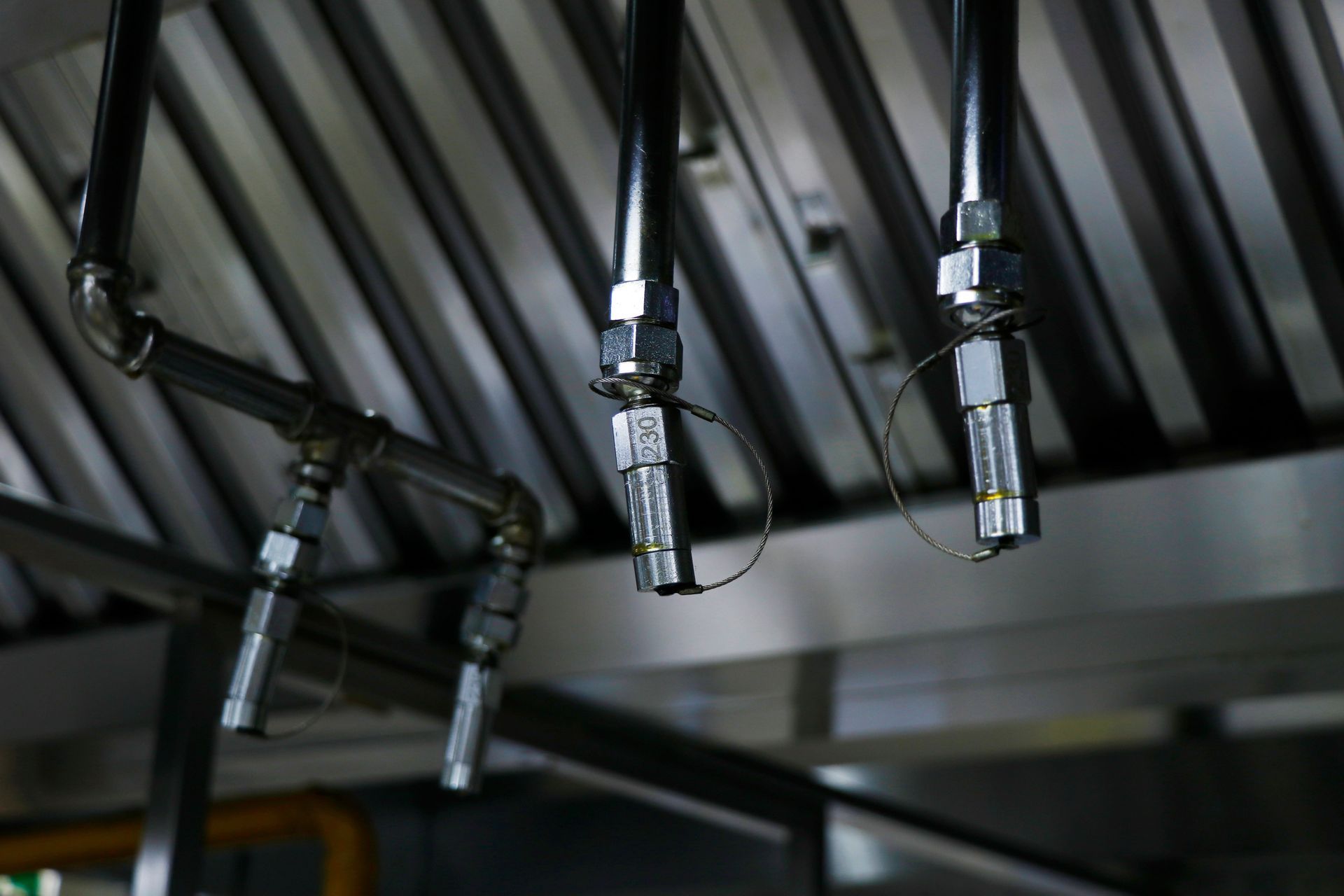
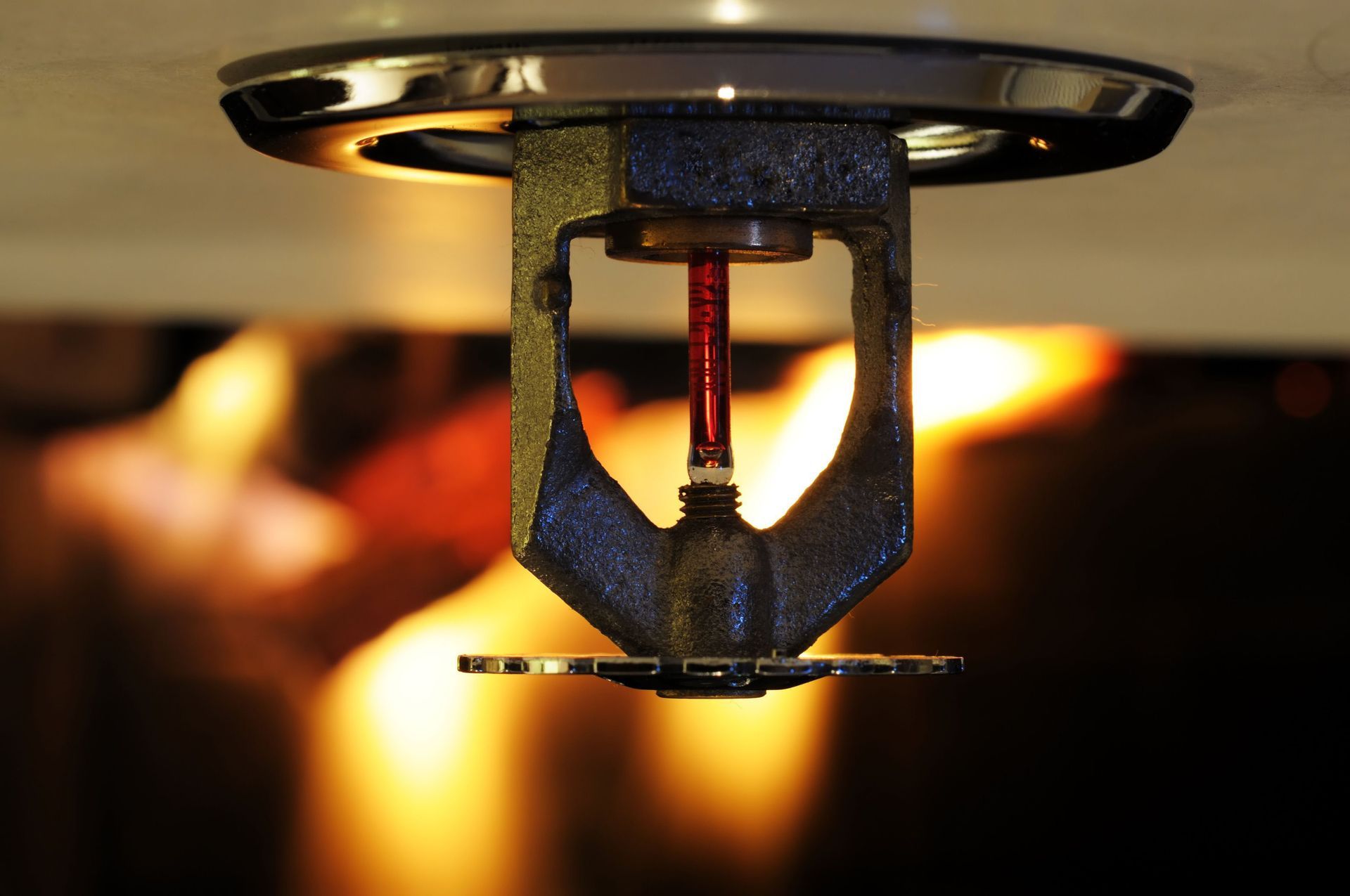
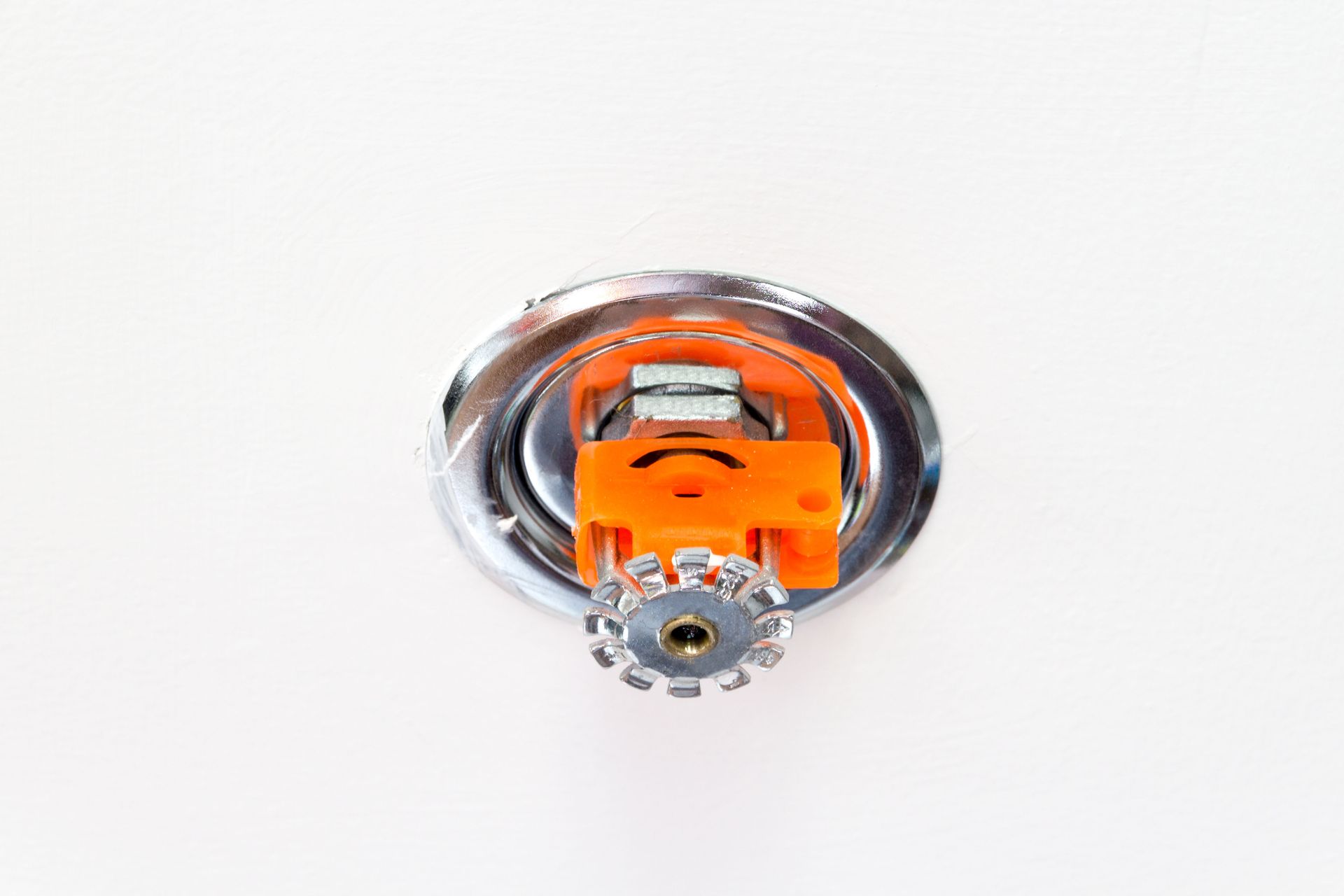
These systems detect heat or flames and discharge agents to smother fires and prevent re-ignition. Automatic activation occurs via sensors, while manual options allow staff intervention. Rapid response minimizes spread and damage, making fire suppression services indispensable in high-risk environments.
Wet chemical agents cool surfaces and form a blanket to cut off the oxygen supply. Coordinated shutdown of fuel and electrical sources enhances containment. Post-discharge cleanup restores operations quickly with minimal residue impact.
Adhering to Fire Suppression Installation Practices
Installation begins with assessing kitchen specifics and choosing suitable agents and placements for full coverage. Positioning nozzles and detectors strategically ensures thorough protection. Following NFPA guidelines and local codes secures necessary approvals and certifications.
Professional teams map appliance locations to optimize nozzle angles and discharge patterns. Pre-installation surveys identify potential obstructions. Final commissioning tests confirm full-system functionality before handover.
Integrating fire suppression services with kitchen hoods creates coordinated defense. Suppression systems often tie into hood operations for automatic activation during fires, enhancing response speed and efficiency. This combination delivers layered protection, reducing overall hazards in commercial kitchens. When a fire starts, the hood shutdown prevents oxygen feed while agents deploy simultaneously. Interconnected controls streamline emergency procedures. This unified approach maximizes containment and minimizes cleanup time.
The combined strength of kitchen hoods and fire suppression services forms a comprehensive strategy for restaurant fire safety, delivering protection, regulatory adherence, and operational peace of mind. By committing to expert installation, regular maintenance, and system integration, owners mitigate risks and support thriving businesses.
For professional guidance on implementing or maintaining these essential systems, contact Chief Fire Prevention to ensure your restaurant meets the highest safety standards.