October 24, 2026
Fire safety is an indispensable component of running a successful restaurant, given the continuous presence of open flames, high-heat equipment, and combustible materials in kitchen environments. Ensuring that team members possess a comprehensive understanding of risk reduction and emergency protocols mitigates operational hazards while creating a secure atmosphere for both staff and guests. When workers actively participate in routine safety measures and learn to recognize early warning signs, the likelihood of catastrophic incidents drops dramatically.
Every team member plays a critical role in preserving a safe dining and working space. From back-of-house line cooks managing busy cooklines to front-of-house hosts navigating dining rooms, fire preparedness requires shared responsibility. Establishing a culture of safety relies on clear communication, ongoing education, and professional oversight. Working alongside a qualified local fire suppression service guarantees that kitchen hardware and suppression infrastructure remain fully operational and compliant with commercial standards.
Identify Common Kitchen Fire Hazards
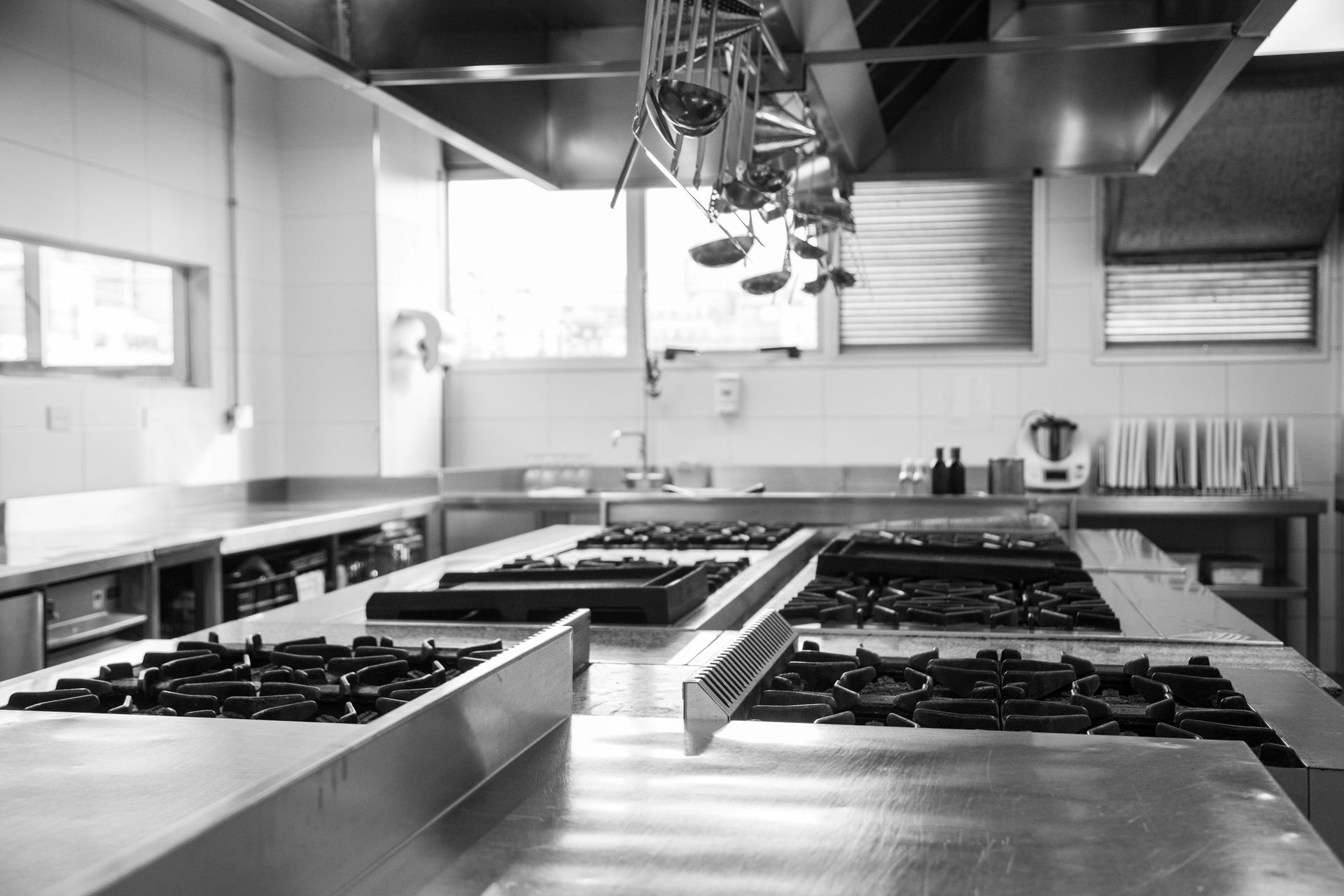
Commercial kitchens are fast-paced environments where heat sources, cooking oils, and combustible paper products frequently coexist. Open flames from gas ranges and charcoal broilers represent immediate ignition risks if left unattended or positioned near flammable items. Line cooks and kitchen assistants must remain vigilant during peak operational hours, ensuring that grease build-up on exhaust hoods, fryers, and stovetops is cleaned routinely to prevent flash fires.
Storage rooms and dining spaces also harbor distinct hazards that demand equal attention from staff members. Storing flammable cleaning chemicals, paper goods, or alcohol bottles near electrical panels or heating units creates unnecessary exposure to ignition sources. Similarly, dining room decorations like candles or accent lights require careful placement away from curtains, menus, and table linens to maintain complete facility safety.
Understanding different fire categories is necessary for executing an effective defense during an active incident. Cooking oil blazes behave differently from electrical fires or trash container blazes, meaning that improper extinguishing attempts can exacerbate the danger. Kitchen workers who understand these differences can react swiftly and select appropriate extinguishing tools when a localized flare-up occurs, supported by routine system evaluations from a local fire suppression service.
Train Staff for Emergency Preparedness
Conducting regular fire drills is vital for building confidence and muscle memory among restaurant personnel. When an emergency strikes, thorough preparation prevents panic and enables staff to execute structured evacuation plans seamlessly. Drills should simulate realistic operational scenarios, allowing employees to practice navigating exits, guiding guests, and assembling at designated safe locations outside the building.
Training workers to operate portable extinguishers correctly serves as a foundational defense against minor flare-ups. Employees must learn standard operating procedures, which involve pulling the pin, aiming at the base of the fire, squeezing the lever, and sweeping side to side. Recognizing when a fire is small enough to suppress safely versus when an immediate evacuation is required remains a key teaching objective.
Establishing clear evacuation duties ensures that every worker understands their specific responsibilities during a crisis. Designated staff members should lead patrons toward nearest exits, verify that restrooms are clear, and assist individuals with mobility challenges. Collaborating with a certified local fire suppression service helps owners design practical evacuation routes and align emergency protocols with regional safety guidelines.
Implement Daily Fire Prevention Practices
Safe storage practices for hazardous substances significantly diminish fire risks across the facility. Cooking oils, high-proof alcohol, and chemical cleaning solutions must be kept in designated, well-ventilated areas away from heat sources. Proper labeling, secure lids, and organized inventory management reduce accidental spills and minimize exposure to potential ignition sources throughout daily shifts.
Adopting disciplined cooking techniques forms the cornerstone of daily prevention efforts. Kitchen staff must continuously monitor oil temperatures, avoid overfilling fryers, and keep cookline surfaces free from accumulated grease buildup. Establishing rigorous end-of-shift cleaning routines ensures that grease traps and hood filters are free from flammable residues that could ignite during high-temperature cooking.
Routine maintenance of electrical systems and commercial appliances is critical for eliminating hidden hazards. Faulty wiring, frayed cords, and overburdened outlets pose constant ignition risks in busy kitchens. According to IBISWorld, one-quarter of professional electrical work involves installing wiring for auxiliary equipment, including fire suppression, HVAC systems, and traffic signaling, highlighting the importance of proper system integration.
Utilize Essential Firefighting Equipment
Equipping commercial kitchens with specialized suppression equipment provides rapid protection against unique fire threats. Wet chemical extinguishers are engineered specifically for high-temperature grease and cooking oil fires, neutralizing flames without causing dangerous splattering. Placing these specialized units in easily accessible kitchen locations ensures rapid deployment during critical moments.
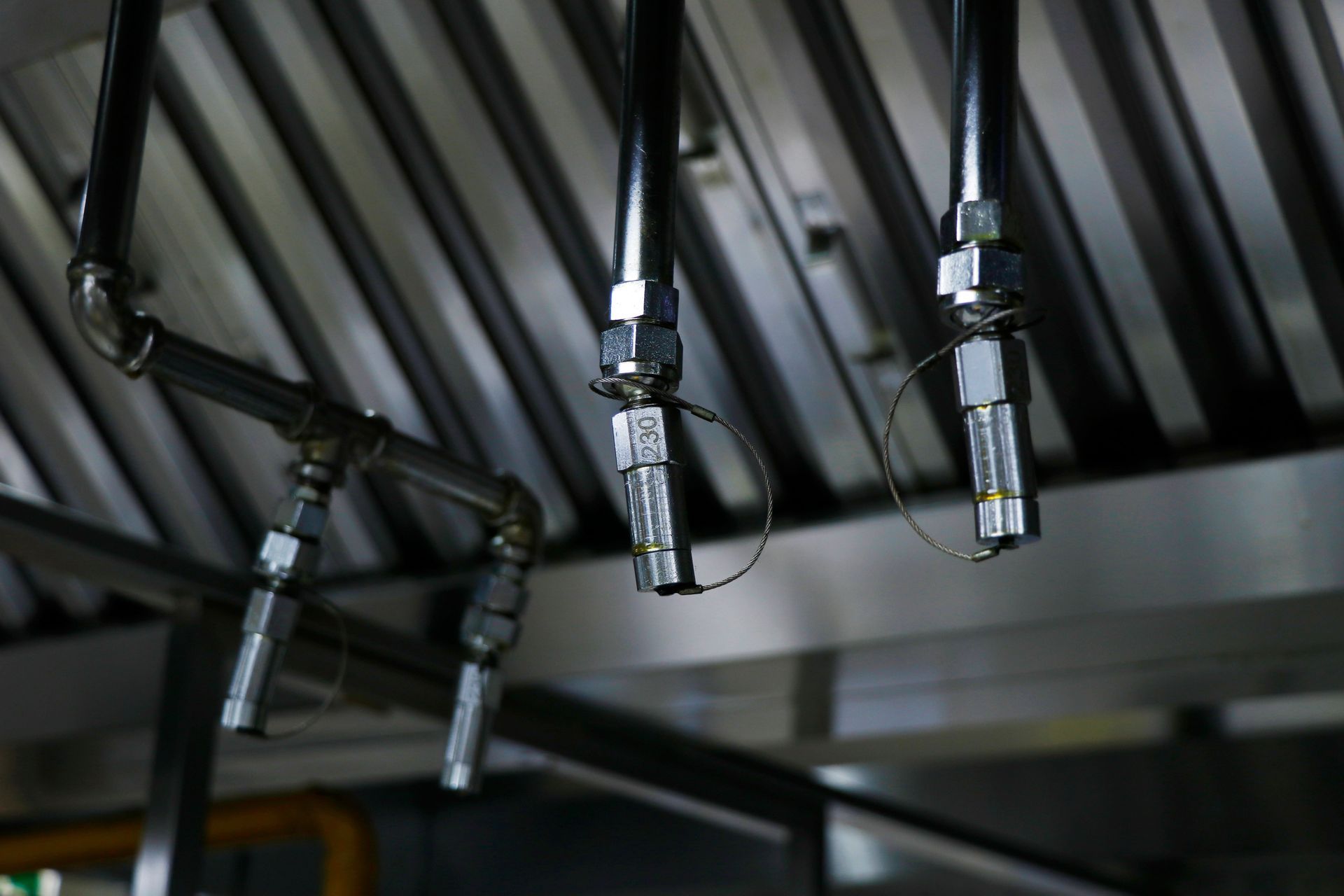
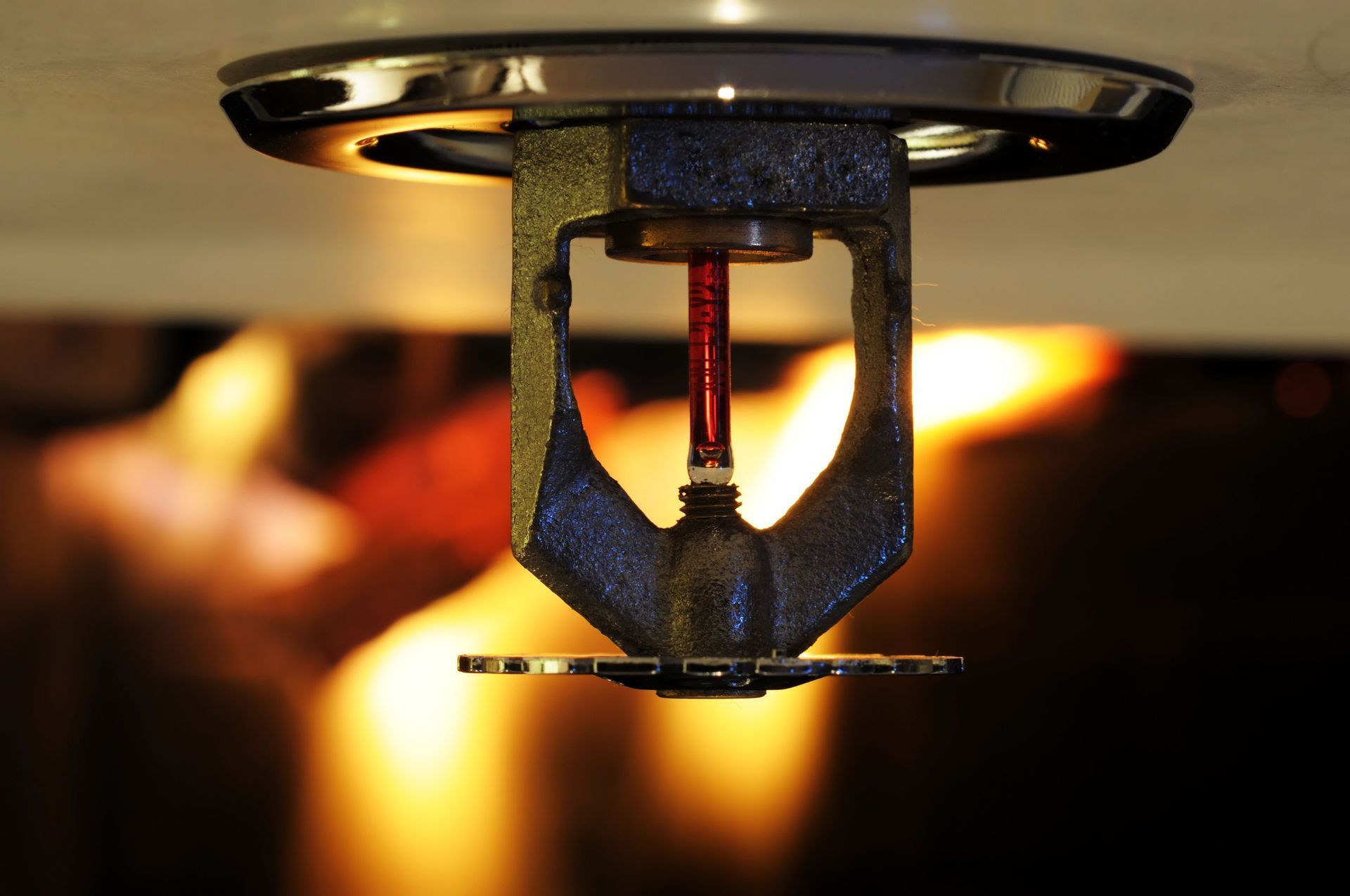
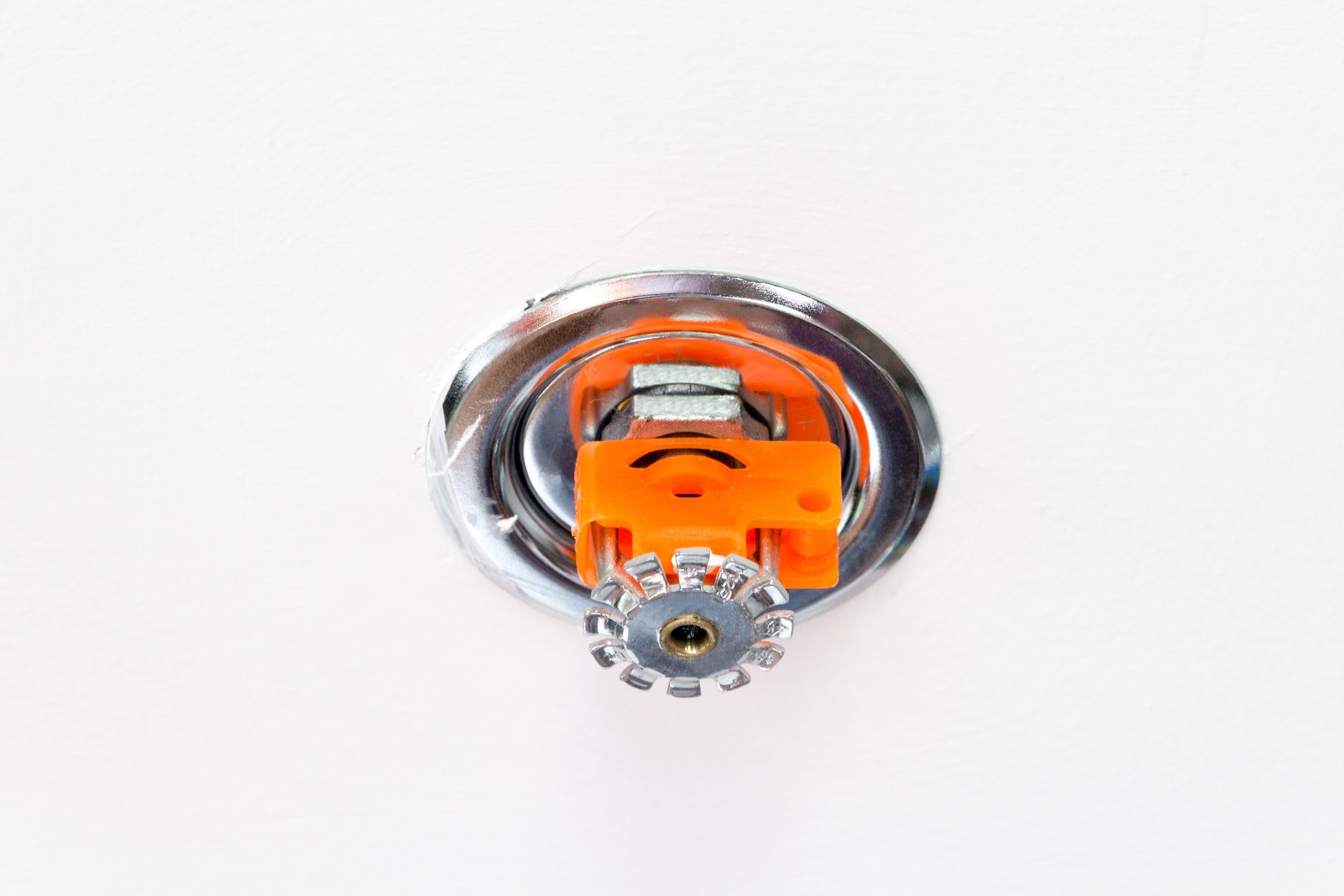
Automatic overhead suppression systems act as the primary defense mechanism above ranges, fryers, and griddles. These systems automatically discharge chemical agents upon detecting excessive heat, cutting off fuel supplies and extinguishing flames before they spread to structural elements. Partnering with a professional local fire suppression service ensures these automated systems undergo essential inspections and testing.
Fire blankets offer an additional, straightforward tool for smothering localized flames or protecting individuals during an evacuation. Kept in marked cabinets, blankets quickly starve small fires of oxygen without producing residue or chemical clouds. Scheduling continuous maintenance through a local fire suppression service keeps all manual and automatic suppression gear fully operational.
Respond Safely During Emergency Situations
When a fire breaks out, immediate and calm action is essential to ensure human safety. Employees must prioritize dialing emergency services immediately, providing dispatchers with precise details regarding the situation, location, and presence of any hazardous materials. Prompt notification allows professional firefighters to deploy quickly, minimizing potential structural damage and personal injury.
Prioritizing patron safety remains the primary responsibility of restaurant personnel during an active evacuation. Staff members must maintain a calm demeanor, speak with clear authority, and direct customers toward marked emergency exits. Ensuring that exit corridors remain completely clear of boxes, chairs, and delivery items allows for swift and unhindered movement out of the facility.
Effective communication between management and emergency responders streamlines active firefighting operations. Assigning a designated manager to meet first responders at the entrance provides firefighters with vital information regarding building layout, utility shutoffs, and employee headcounts. Regular consultations with a local fire suppression service help establish clear communication protocols before emergencies occur.
Maintain Full Commercial Regulatory Compliance
Adhering to municipal and national safety codes protects restaurant operations from legal liabilities and severe operational penalties. Compliance requires continuous attention to building codes, maintenance logs, and mandatory employee training schedules. Maintaining detailed documentation of equipment inspections demonstrates a steadfast commitment to maintaining a safe work environment.
Partnering with qualified safety experts ensures that commercial kitchens meet evolving regulatory standards. Certified technicians assess risk factors, inspect suppression hardware, and confirm that all safety equipment functions within exact manufacturer specifications. Scheduling regular maintenance visits with a trusted local fire suppression service helps management stay ahead of mandatory compliance deadlines.
Promoting an ongoing culture of safety requires active involvement from both staff and external professionals. Conducting regular system checks, updating safety manuals, and retraining existing staff members keep fire safety principles fresh in everyone's mind. Scheduling comprehensive evaluations with a local fire suppression service guarantees that safety measures remain robust, compliant, and ready for any emergency.
Prioritizing comprehensive fire safety knowledge empowers restaurant employees to protect themselves, their patrons, and valuable commercial assets. Through diligent risk identification, hands-on training, disciplined cooking habits, and routine equipment upkeep, restaurant teams cultivate a secure operating environment. Investing in continuous education and proactive maintenance transforms safety from a regulatory obligation into a daily operational standard.
Sustaining a safe dining establishment requires consistent dedication and expert oversight across every department. By maintaining strict compliance and partnering with experienced industry professionals, restaurant owners can effectively manage fire risks and focus on delivering exceptional dining experiences. Contact our expert team at Chief Fire Prevention today to schedule a complete safety evaluation and protect your establishment.