April 15, 2026
Hood systems are the unsung heroes of commercial kitchens, tirelessly working behind the scenes to maintain a safe and efficient cooking environment. Often neglected, the maintenance of these systems is vital for the health and safety of both staff and customers, making commercial kitchen hood cleaning a necessary routine rather than an afterthought. In this article, we delve into the importance of hood cleaning and the consequences of its neglect.
The kitchen hood system plays a crucial role in controlling and ventilating smoke, heat, and grease. According to Popular Science, restaurant grease traps can store up to 225 pounds of used grease. Without regular maintenance, these systems can become inefficient, posing significant risks to kitchen operations. Hood cleaning is not just about compliance with health regulations; it's about the longevity and safety of your kitchen environment through consistent commercial kitchen hood cleaning.
1. Understanding the Role of Hood Systems in Commercial Kitchens
1.1. Purpose and Design of Kitchen Hood Systems
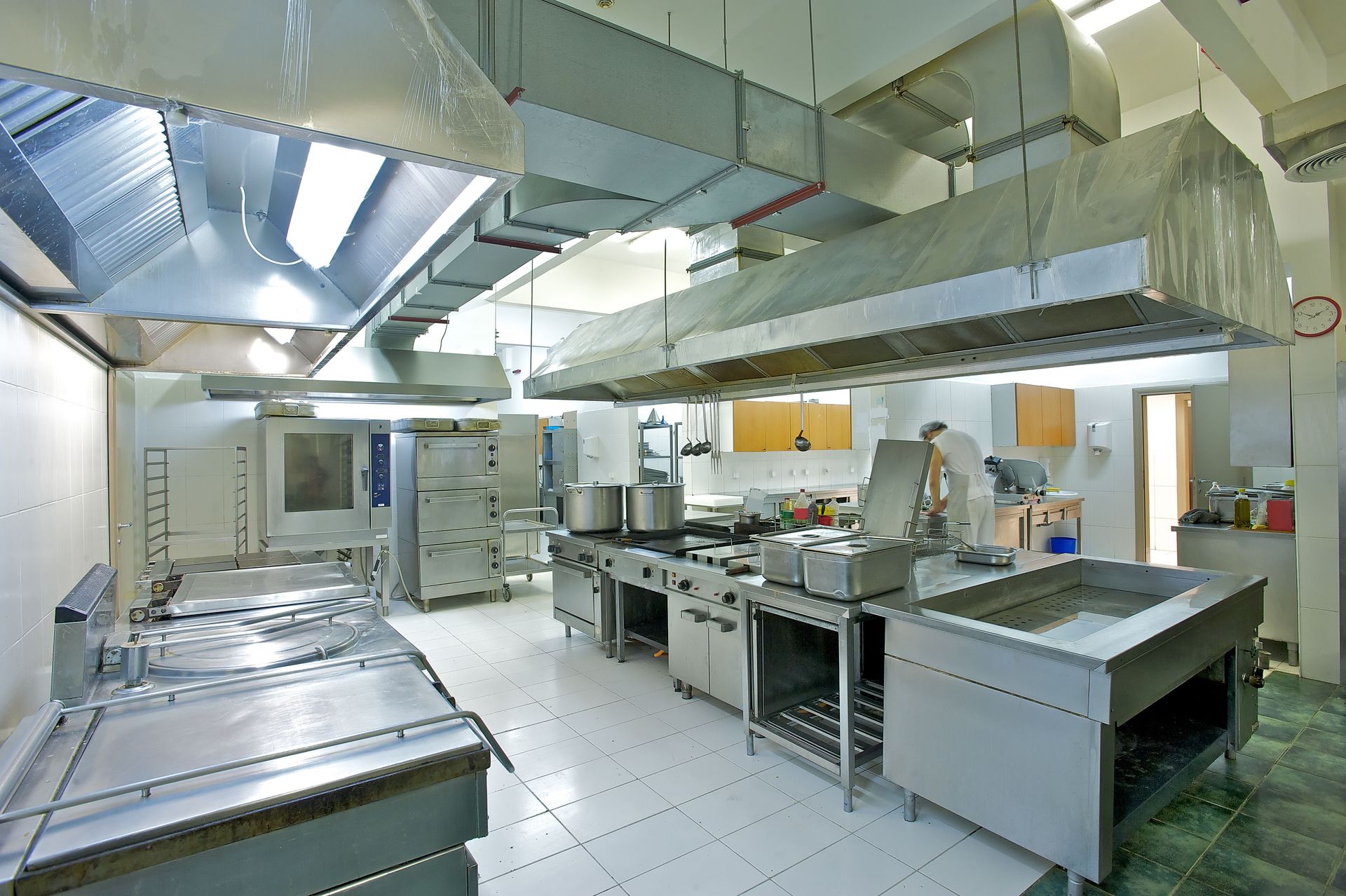
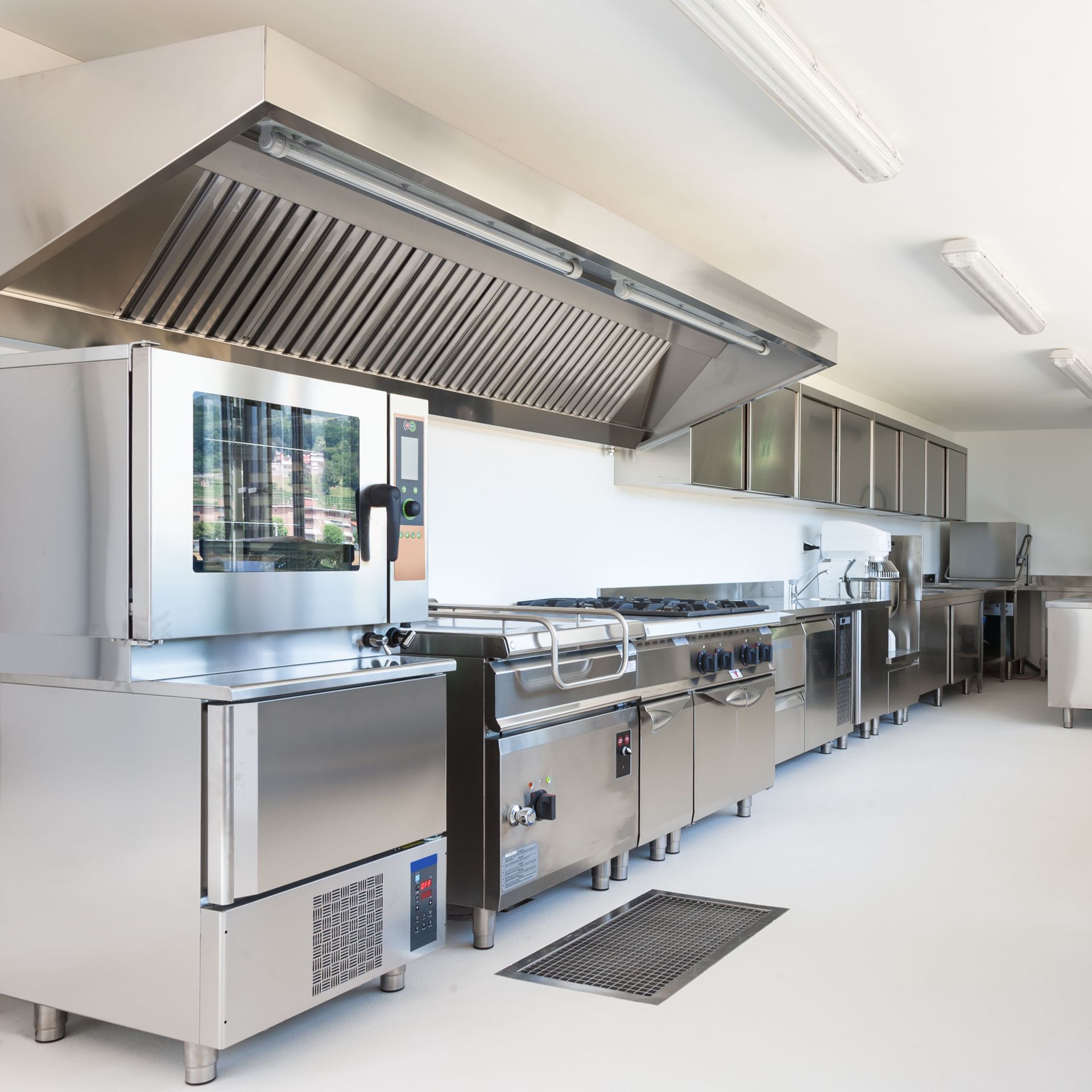
Kitchen hood systems are specially designed to capture and vent airborne elements such as smoke, heat, and grease from a commercial kitchen. Their primary purpose is to support optimal air quality and safety, facilitating a safer food preparation process. These systems include a carefully orchestrated array of components designed to filter and expunge harmful elements. An efficient hood system reduces the risk of kitchen fires and maintains a comfortable working environment, especially when supported by regular commercial kitchen hood cleaning.
1.2. How Hood Systems Work to Support Ventilation
Hood systems operate through a combination of hoods, fans, ducts, and filters that work together to extract and expel air contaminants. The hoods capture smoke, heat, and grease before these substances can disperse into the kitchen atmosphere. The trapped elements are channeled through the ductwork, where powerful fans expel them into the outside environment. This process keeps indoor air quality high, minimizing health risks for kitchen staff, particularly when commercial kitchen hood cleaning is performed consistently.
1.3. Common Hood System Components and Their Functions
The key components of a commercial hood system include the hood itself, a filtering mechanism, ductwork, and exhaust fans. The hood acts as the main capture area for smoke and grease. Filters, usually made from metal mesh, are positioned to grasp particulate matter and grease from the air. Ducts transport these elements from the kitchen to the outside, assisted by exhaust fans that maintain effective airflow. Regular maintenance of each component, including commercial kitchen hood cleaning, is crucial to support efficiency and prevent potential hazards.
1.4. Key Differences Between Residential and Commercial Hood Systems
While residential hood systems also focus on ventilation, commercial systems are far more complicated and powerful due to the higher volume of cooking output. Commercial systems are designed to handle extreme temperatures and large volumes of smoke and grease without faltering. They utilize enhanced components with higher durability and larger capacities to manage the demands of a busy kitchen, which is why commercial kitchen hood cleaning is more frequent and intensive than residential cleaning practices.
1.5. Regulatory Standards for Commercial Kitchen Hood Systems
Various regulations govern the operation of commercial hood systems to support their effectiveness and safety. Local and national standards dictate everything from installation requirements to routine maintenance schedules, including strict expectations around commercial kitchen hood cleaning. Compliance with these standards is non-negotiable, necessitating regular inspections and verified cleanings.
2. Potential Risks of Ignoring Hood Cleaning
2.1. Increased Fire Hazard and Safety Concerns
Neglecting hood cleaning can lead to severe grease buildup, creating a critical fire hazard in the kitchen. Grease, when allowed to accumulate, can easily ignite and cause fires that spread rapidly. Regular commercial kitchen hood cleaning significantly reduces this risk and helps protect both property and lives.
2.2. Detrimental Impact on Air Quality and Health
Poorly maintained hood systems fail to effectively remove smoke, grease, and harmful particles, leading to deteriorating air quality. Contaminated air poses health risks to kitchen staff, resulting in respiratory issues and other health complications. Routine commercial kitchen hood cleaning helps maintain a safer breathing environment and supports overall workplace wellness.
2.3. Legal Liabilities and Compliance Issues
Ignoring hood cleaning can result in non-compliance with health and safety regulations, exposing your business to legal liabilities. Regulatory bodies have strict standards for commercial kitchen operations, including documented commercial kitchen hood cleaning schedules. Failure to comply may lead to penalties or shutdowns.
2.4. Operational Inefficiencies and Equipment Damage
A neglected hood system can lead to operational inefficiencies and significant equipment damage over time. Grease and smoke residues can accumulate on kitchen equipment, reducing their efficiency and longevity. Investing in regular commercial kitchen hood cleaning helps maintain performance and reduces costly repairs.
2.5. Negative Effect on Kitchen Staff and Customer Experience
Cleanliness and air quality are crucial factors influencing kitchen staff morale and customer satisfaction. A poorly ventilated kitchen creates an uncomfortable and potentially unsafe working environment. Consistent commercial kitchen hood cleaning supports a more pleasant atmosphere for both employees and guests.
3. Economic Implications of Inadequate Hood Cleaning
3.1. Financial Costs of Fire Damage and Repairs
Fires caused by neglected hood systems can result in destructive damage with expensive repairs. Recovery costs can severely impact your financial stability. Preventative measures like commercial kitchen hood cleaning are far more affordable than post-incident expenses.
3.2. Increased Insurance Premiums and Risks of Denied Claims
Insurance companies assess the risks associated with your business, determining premiums based on operational safety and compliance practices. A lack of commercial kitchen hood cleaning may increase premiums or result in denied claims after an incident.
3.3. Loss of Business Due to Shutdowns and Reputational Damage
A critical incident due to neglected hood cleaning can lead to temporary or permanent business closures. Beyond revenue loss, reputational damage can linger. Prioritizing commercial kitchen hood cleaning helps protect both operations and brand image.
3.4. Long-term Maintenance vs. Emergency Repairs: A Cost Analysis
Preventive maintenance through regular hood cleaning is more cost-effective compared to emergency repairs post-incident. Commercial kitchen hood cleaning helps extend equipment life and reduce unexpected downtime.
3.5. The Hidden Costs of Non-compliance with Health Regulations
Beyond potential fines and shutdown costs, non-compliance incurs hidden costs that affect business performance and credibility. Staying consistent with commercial kitchen hood cleaning helps avoid these unnecessary financial burdens.
4. Signs Your Kitchen Hood System Needs Immediate Cleaning
4.1. Visible Grease Buildup on Surfaces
One of the most obvious signs that your system requires attention is visible grease accumulation on the hood, filters, or surrounding surfaces. When grease begins to drip or form thick layers, it indicates that commercial kitchen hood cleaning has not been performed frequently enough. This buildup not only impacts cleanliness but also increases fire risk.
4.2. Strong Odors Lingering in the Kitchen
If persistent odors remain in the kitchen even after cleaning, your hood system may not be functioning properly. Trapped grease and contaminants in the system can produce unpleasant smells that circulate through the space. Regular commercial kitchen hood cleaning helps eliminate these odor sources and improves overall air quality.
4.3. Excessive Smoke During Cooking
A properly functioning hood system should efficiently remove smoke and heat from the cooking area. If smoke begins to linger or spread throughout the kitchen, it may be a sign that airflow is restricted due to grease buildup. Scheduling commercial kitchen hood cleaning can restore proper ventilation and improve working conditions.
4.4. Reduced Airflow or Poor Ventilation Performance
When airflow weakens, it often points to blockages within the ductwork or filters. Reduced ventilation can make the kitchen hotter and more uncomfortable for staff. Consistent commercial kitchen hood cleaning helps maintain strong airflow and supports a safer, more efficient environment.
Disregarding hood cleaning within commercial kitchens can lead to severe operational, financial, and reputational risks. Regular, meticulous maintenance of hood systems, including commercial kitchen hood cleaning, safeguards against kitchen fires, poor air quality, and legal liabilities. By adopting proactive cleaning and maintenance practices, businesses can preserve their assets and enhance overall safety. Contact Chief Fire Prevention today for more.