October 16, 2026
Restaurants face fire hazards from cooking equipment, grease, electrical systems, and combustible materials. Maintaining effective fire protection is essential for protecting employees, customers, property, and business operations. Restaurants must also meet applicable codes, inspection requirements, and maintenance standards.
A local fire suppression service can help restaurant owners address these responsibilities by evaluating fire risks, installing appropriate equipment, maintaining suppression systems, and supporting ongoing compliance. Professional guidance can also help keep critical equipment ready for emergencies and provide restaurant operators with documentation of required service.
Understanding Restaurant Fire Safety Requirements
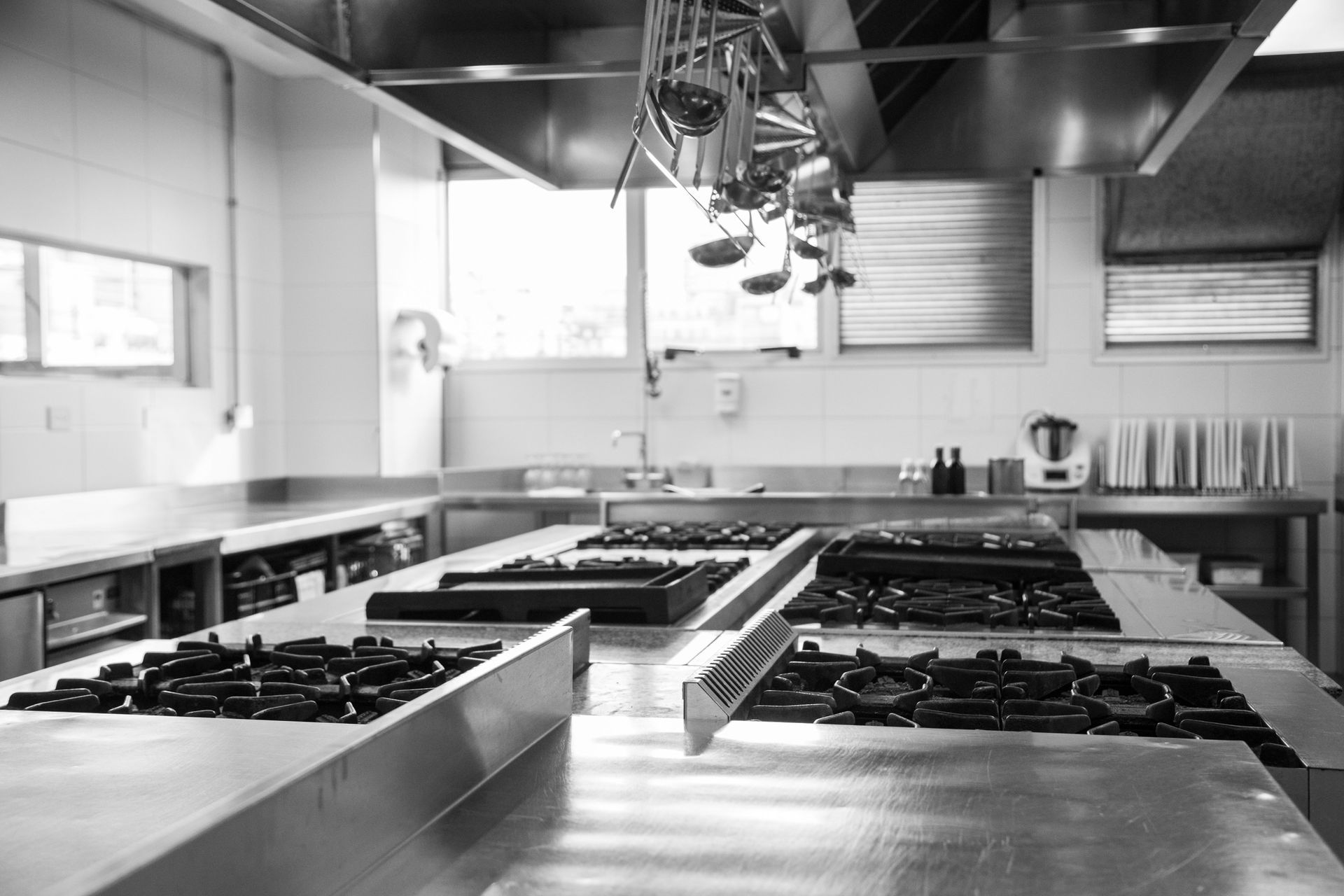
Fire safety codes are designed to reduce risks to people and property. Restaurants have specific concerns because commercial kitchens commonly involve open flames, hot surfaces, cooking oils, grease, and high-powered equipment. Requirements can vary based on the building, equipment, location, and type of operation.
The National Fire Protection Association (NFPA) develops widely used fire safety standards covering commercial cooking equipment, fire suppression systems, extinguishers, and other protective measures. According to the NFPA, only 11 percent of the number of structure fires that departments respond to are in buildings with sprinklers. This reinforces the importance of using appropriate fire protection measures throughout a restaurant.
Local authorities may inspect restaurants to verify compliance with applicable fire codes. These inspections can identify problems involving suppression equipment, extinguishers, alarms, exits, and other safety measures. Proper maintenance can help address issues before they become larger compliance concerns.
Failing to meet fire safety requirements can result in fines, operational disruptions, required corrective measures, or other consequences. Inadequate protection can also increase the potential for injuries and property damage during a fire.
Learning How Restaurant Suppression Systems Work
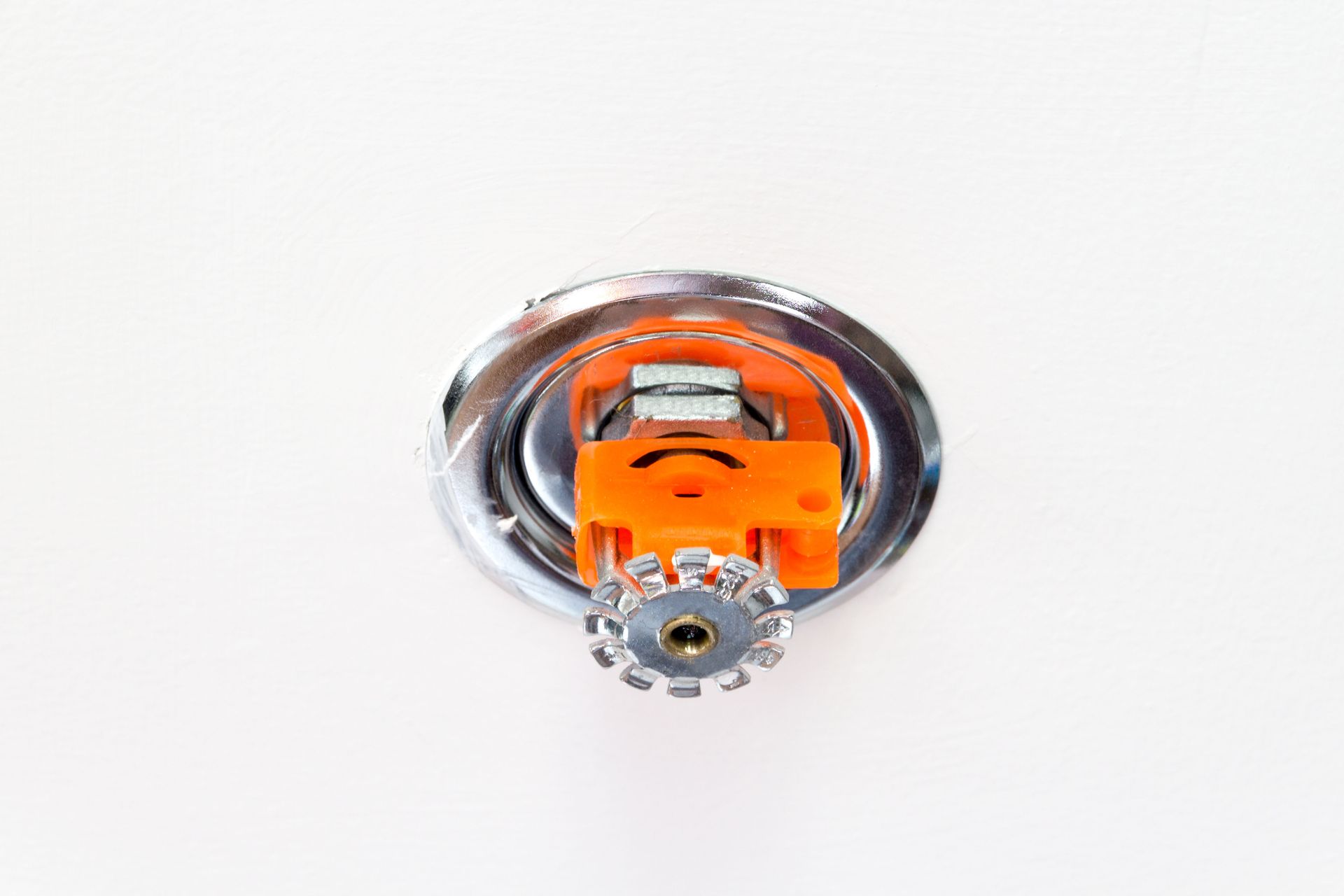
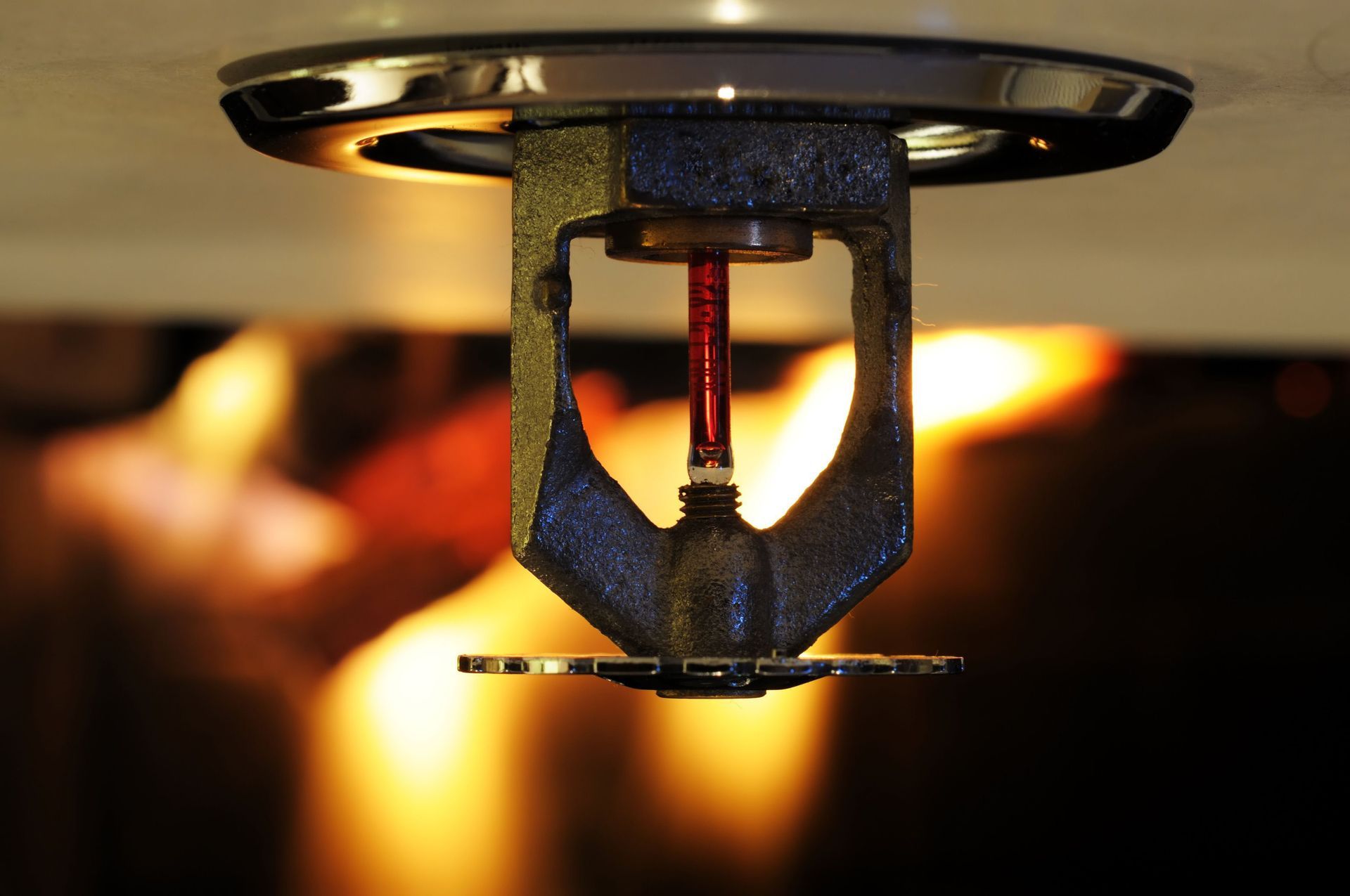
Commercial fire suppression systems are designed to respond quickly when a fire develops in a protected area. A system can include detection mechanisms, control components, agent storage, discharge nozzles, piping, and connections to other safety equipment.
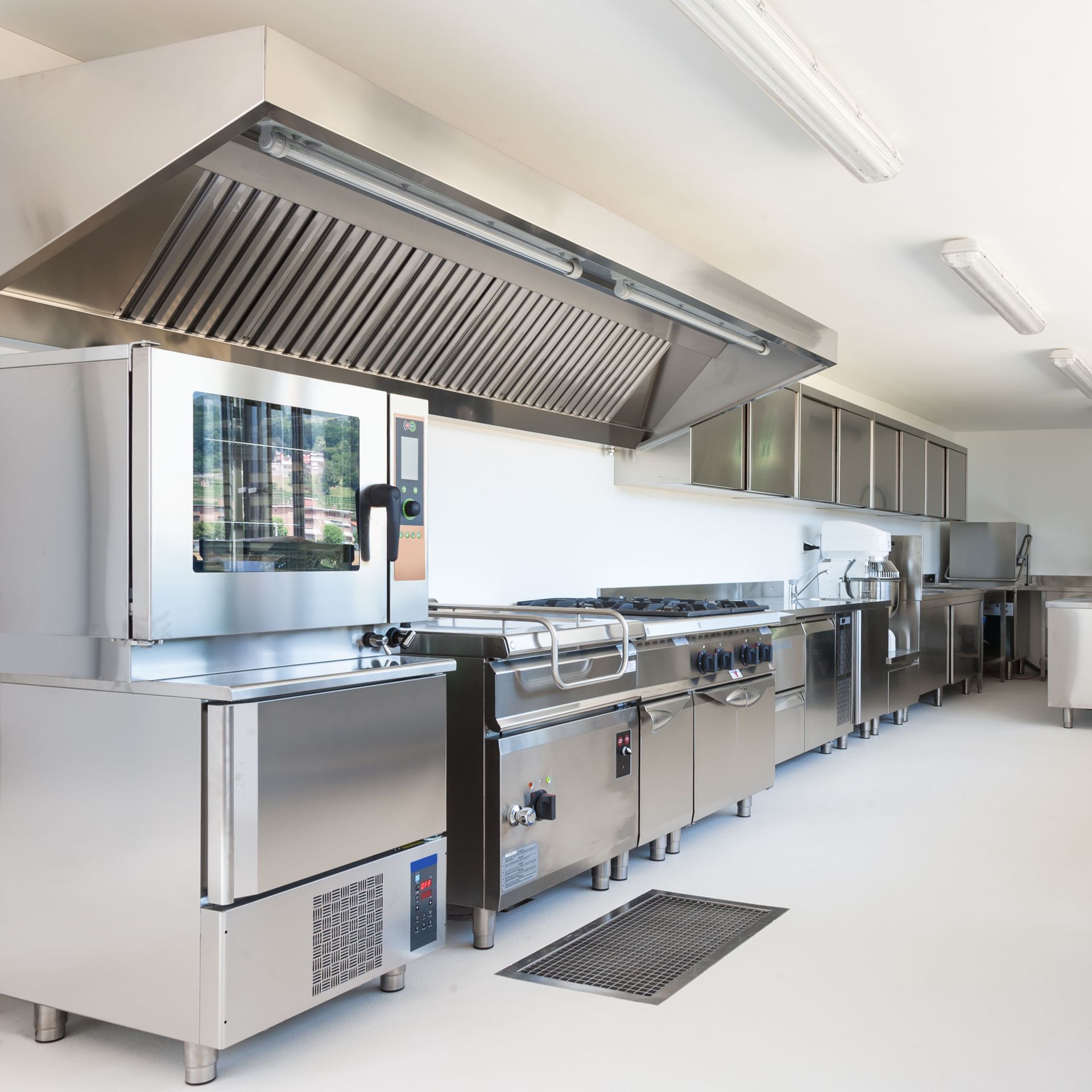
Wet chemical systems are commonly used in commercial kitchens because they are designed for hazards involving cooking oils and grease. Other technologies may be appropriate for different hazards. The right system depends on kitchen equipment, hood configuration, fuel sources, building layout, and applicable requirements.
Professional installation ensures that suppression nozzles, detection components, piping, and controls are correctly positioned and configured. Installation must also account for applicable codes and manufacturer specifications.
A local fire suppression service can evaluate a restaurant's environment and help determine what type of protection is appropriate. Professionals can also coordinate suppression equipment with alarms and other fire protection measures.
Performing Inspection and Maintenance
Installing a suppression system is only one part of maintaining restaurant fire protection. Equipment needs regular inspection, testing, and maintenance to help ensure that it remains operational.
Inspections can identify damaged components, blocked nozzles, depleted agents, mechanical problems, or other conditions that could interfere with system performance. Maintenance schedules should account for the specific system, manufacturer requirements, applicable standards, and local regulations.
Documentation is another important component of compliance. Restaurants may need records showing that inspections, testing, maintenance, and corrective work have been completed. Keeping these records organized can also make it easier to identify recurring equipment concerns.
A local fire suppression service can provide recurring maintenance and help restaurant operators keep track of service requirements. A consistent maintenance schedule also reduces the likelihood that important inspections will be overlooked.
Working With Local Fire Safety Professionals
Local providers may be familiar with regional requirements, inspection practices, and common fire safety concerns affecting restaurants. A professional service can assess a restaurant's current setup, identify potential concerns, and recommend appropriate solutions.
Working with the same provider over time can give technicians greater familiarity with a restaurant's equipment and layout. This can make recurring inspections and maintenance more efficient while creating a consistent record of the property's fire protection needs.
Having an established relationship with a local fire suppression service also gives restaurant operators a dedicated resource when equipment requires service or a safety issue needs attention. Prompt professional service can help minimize disruptions to restaurant operations.
Training Employees for Fire Emergencies
Equipment is only one element of restaurant fire safety. Employees should understand emergency procedures and know how to respond when an alarm or suppression system activates. Training can cover evacuation routes, emergency communication, alarm procedures, and employee responsibilities. New staff members should receive appropriate safety information during onboarding, while existing employees can benefit from periodic refreshers.
Emergency drills can also help employees become familiar with evacuation routes and communication procedures. Practicing responses can reduce confusion and help staff understand their roles during an actual event. Professional fire safety providers may offer training or educational resources that complement a restaurant's emergency plans.
Maintaining a Strong Safety Culture
Fire prevention works best when safety becomes part of everyday restaurant operations. Managers can reinforce safe practices by making fire protection responsibilities clear and encouraging employees to report equipment problems, blocked exits, or damaged fire protection components. Restaurants should also consider fire safety when making operational changes. Adding or replacing cooking equipment, changing a kitchen layout, renovating a space, or modifying ventilation systems can affect existing fire protection requirements.
Consulting a local fire suppression service before significant changes can help restaurant owners determine whether modifications could affect the existing suppression system or require additional protection.
Addressing Compliance Challenges
Restaurants can face challenges when maintaining compliant fire protection systems. Older equipment may require repairs or replacement, renovations can create new protection requirements, and regulatory changes may require operators to review existing systems.
A professional assessment can identify potential concerns before an inspection. Scheduled evaluations and maintenance allow restaurant owners to address problems proactively.
Clear communication with local authorities is also valuable when questions arise about specific requirements. Fire officials and qualified fire protection professionals can help clarify applicable standards and expectations. Maintaining documentation of completed repairs and inspections provides a useful record of steps taken to address safety concerns and can support ongoing compliance efforts.
Preparing for Changing Fire Protection Technology
Fire protection technology continues to evolve. Modern systems may incorporate improved detection, monitoring, and control capabilities that provide additional information about system status. Smart monitoring technology can provide alerts when certain equipment requires attention, helping property managers identify issues sooner. Environmental considerations are also influencing the development of suppression technologies, including options designed to reduce environmental impact. Technology should be selected according to the specific hazards and requirements of the restaurant. A qualified professional can determine whether an updated system is appropriate for a particular facility.
Building a Long-Term Fire Protection Strategy
Restaurant fire protection requires ongoing attention rather than a one-time installation. Equipment must be inspected, maintained, and tested, while employees need appropriate training and emergency procedures require periodic review. A long-term relationship with a local fire suppression service can make these responsibilities easier to manage. Technicians familiar with the restaurant's equipment and history can provide consistent service and identify changes that may affect its fire protection needs. Restaurant owners should keep records organized and review maintenance schedules regularly. A comprehensive strategy should address suppression systems, alarms, extinguishers, employee training, emergency planning, inspections, and professional maintenance.
Choosing Professional Fire Protection Support
When evaluating fire suppression providers, restaurant owners should consider experience with commercial kitchens, familiarity with applicable requirements, maintenance capabilities, inspection services, and responsiveness.
The provider should be able to clearly explain the condition and requirements of the restaurant's fire protection equipment. Regular communication can help owners understand when equipment needs service, repair, replacement, or additional evaluation.
Selecting an experienced local fire suppression service provides restaurant operators with an ongoing resource for maintaining fire protection systems. Rather than treating compliance as a single inspection event, restaurants can establish a continuous process of evaluation, maintenance, training, and improvement.
Protecting Your Restaurant With Professional Fire Protection
Fire safety is an ongoing responsibility for every restaurant. Properly maintained suppression systems, regular inspections, employee training, accurate documentation, and attention to changing requirements all contribute to a stronger safety program.
For professional assistance with suppression system installation, inspection, maintenance, or compliance, contact Chief Fire Prevention. The team can help restaurants address their fire protection needs, maintain required equipment, and develop a service plan based on the facility's specific hazards.