August 7, 2026
Operating a commercial kitchen involves managing numerous moving parts, from food preparation and staff coordination to strict health and safety compliance. Among all operational priorities, safeguarding the establishment against fire hazards remains paramount. Commercial kitchens combine high heat sources, open flames, flammable cooking oils, and complex electrical systems, creating an environment where fire risks are constantly present. Understanding the mechanics, maintenance requirements, and structural necessities of modern kitchen fire protection systems is essential for restaurant operators seeking to protect their staff, patrons, and physical investments. This guide explores the critical dimensions of commercial kitchen fire safety, detailing how proper engineering, routine upkeep, and adherence to municipal standards ensure continuous operational continuity. Taking proactive steps today can prevent devastating losses and secure the future of your culinary venture.
Understanding Kitchen Fire Hazards and Mechanics
Assessing Common Heat and Oil Risks
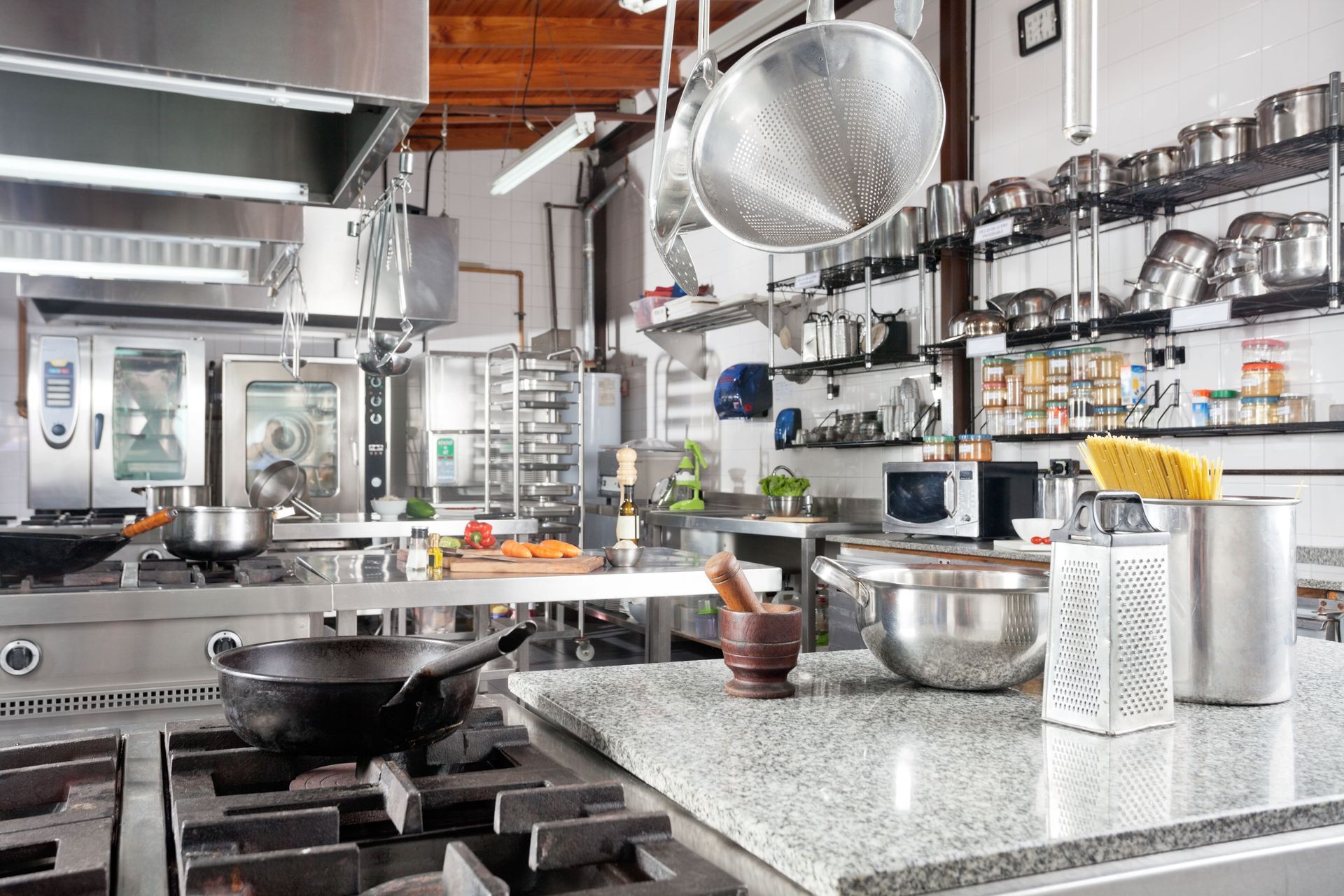
Commercial cooking equipment generates intense thermal energy capable of igniting various materials within seconds. Deep fryers, flat-top griddles, charbroilers, and high-output ranges operate at temperatures that easily exceed the auto-ignition points of common cooking oils and animal fats. When grease accumulates on cooking surfaces or within surrounding ventilation structures, it serves as a highly combustible fuel source. Standard water-based fire extinguishing methods are entirely ineffective and dangerously hazardous when applied to grease fires, as water causes burning oil to splatter and violently spread the flames. Consequently, specialized protection mechanisms are required to neutralize thermal threats safely and effectively without exacerbating the hazard.
Identifying Hidden Fuel Accumulations
Beyond visible cooking surfaces, combustible residues travel through exhaust pathways, settling in ducts, plenums, and filtration units. According to municipal data from the New York City government, approximately 25% of all food service establishment fires stem from insufficient hygiene and cleanliness, highlighting how overlooked residue buildup creates severe vulnerabilities. As vapors rise from cooking vats, they carry microscopic grease particles that adhere to interior metal surfaces. Over time, this layer thickens, forming a highly flammable lining that can ignite from a stray spark or flare-up on the cooking line below. Addressing these hidden accumulation zones requires professional intervention, such as utilizing specialized range hood and exhaust cleaning services and lint duct cleaning to remove combustible deposits before they pose an active threat. Furthermore, establishments dealing with heavy frying volumes benefit significantly from routine grease trap cleaning to prevent blockages and secondary hazards in the plumbing and drainage infrastructure.
Evaluating Core Components of Commercial Fire Protection Systems
Analyzing Automatic Wet Chemical Systems
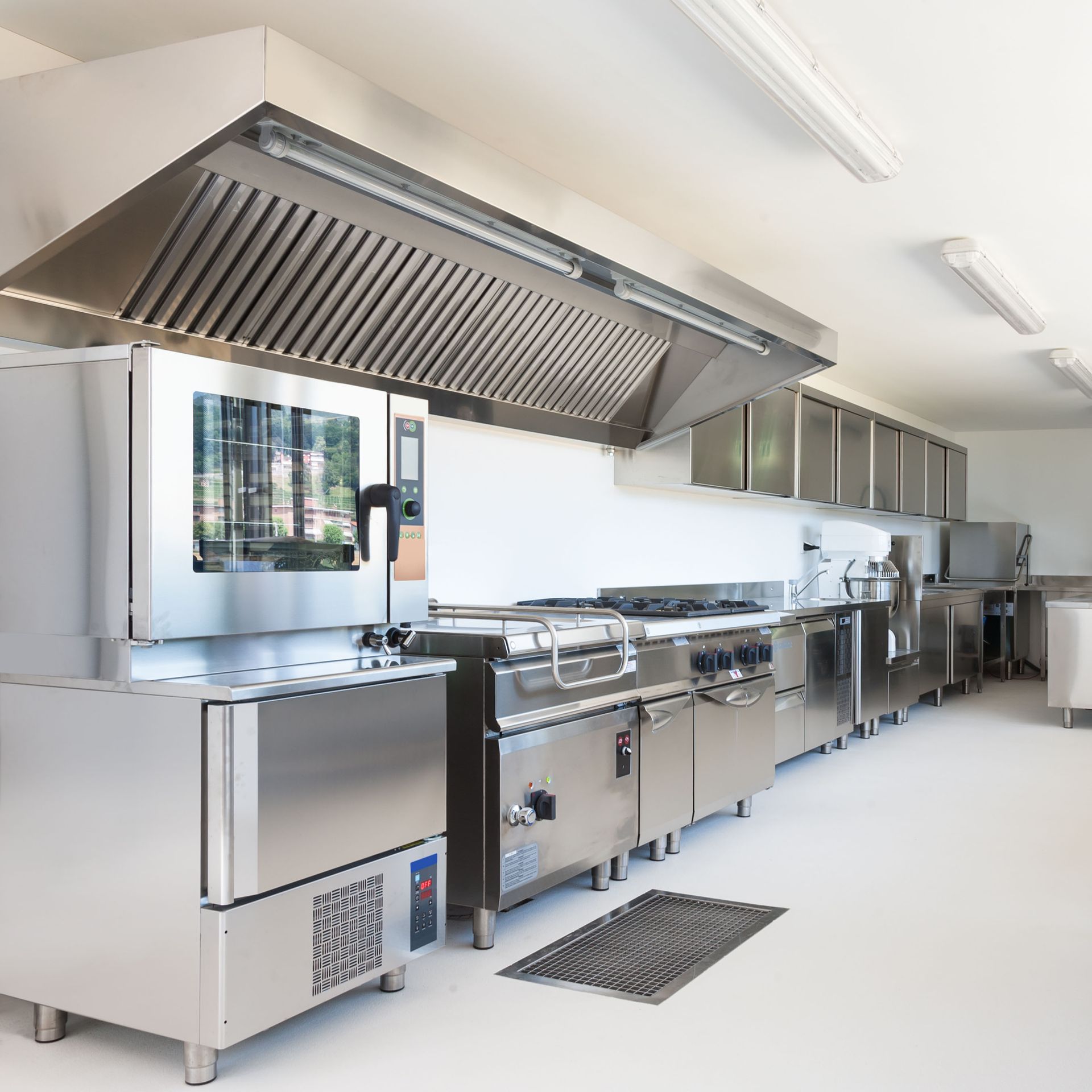
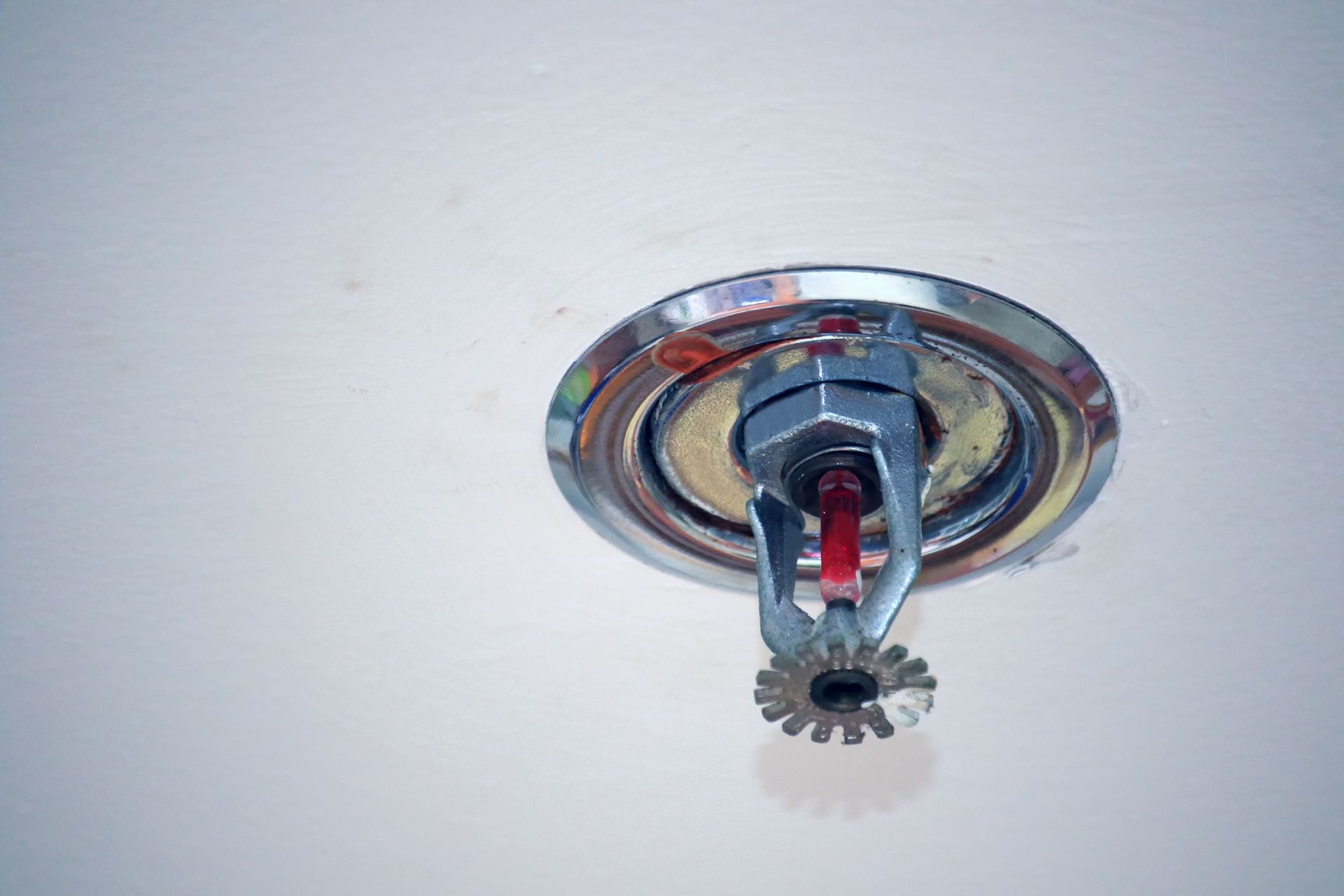
The backbone of any commercial kitchen safety architecture is the automatic wet chemical suppression system. These engineered systems utilize specialized nozzles strategically positioned above cooking appliances, exhaust hoods, and duct collars. When sensors detect extreme temperatures or flames, the system discharges a potassium-based chemical solution. This agent instantly reacts with hot cooking oil through a saponification process, converting the liquid fat into a non-flammable soap-like foam while simultaneously cooling the surface and blanketing the fire to starve it of oxygen. Ensuring the reliability of this defense mechanism requires scheduling a professional fire suppression service on a recurring basis to verify nozzle alignment, cylinder pressure, and mechanical linkage integrity.
Inspecting Essential Portable Suppression Tools
While automatic systems provide primary overhead coverage, portable equipment serves as an indispensable secondary line of defense for kitchen personnel. Class K portable fire extinguishers are specifically designed to complement a commercial fire suppression service setup by handling specific grease and cooking oil fires that occur outside the primary zone of automatic coverage. Operating these units requires proper technique, ensuring staff members can react swiftly during minor flare-ups before they escalate. Integrating regular fire extinguisher inspections and maintenance into the facility management routine guarantees that all portable cylinders remain fully charged, unobstructed, and compliant with operational standards. Additionally, maintaining pristine physical conditions on all cooking surfaces through scheduled kitchen equipment cleaning prevents residue interference with both portable and fixed suppression devices.
Maintaining Regulatory Compliance and Routine Maintenance Standards
Scheduling Regular System Evaluations
Regulatory compliance is non-negotiable for commercial food service establishments. Local fire codes, insurance underwriters, and municipal authorities mandate strict inspection schedules for all active safety installations. A comprehensive fire suppression service evaluation involves testing fusible links, mechanical gas shut-off valves, electrical interlocks, and remote manual pull stations. These components must function synchronously to cut off fuel and power supplies instantly upon discharge, preventing continuous gas leaks or electrical short circuits during an emergency. Facility managers must also ensure that technicians hold proper credentials, such as a valid New York Certificate of Fitness, confirming their technical competency to service local establishments according to rigorous regional mandates.
Complying With Local Municipal Codes
Navigating local building codes and fire safety regulations requires constant vigilance and proactive adaptation. Municipalities enforce specific guidelines regarding system discharge piping, nozzle placement density, and exhaust clearance distances. Failing to meet these standards can result in severe financial penalties, failed health inspections, or mandatory closures. To maintain continuous compliance, restaurant operators often rely on comprehensive facility evaluations and timely documentation provided by qualified professionals performing a periodic fire suppression service. Keeping detailed service logs ensures that management can readily demonstrate adherence to safety standards during unannounced municipal inspections or insurance audits.
Mitigating Risks Through Comprehensive Facility Upkeep
Managing Grease and Exhaust Accumulation
Mitigating fire risk extends far beyond the cooking line, encompassing the entire structural layout of the ventilation and exhaust network. Exhaust systems operate continuously under heavy thermal and particulate stress, requiring specialized maintenance protocols to prevent catastrophic failures. Utilizing dedicated range hood and exhaust cleaning services ensures that grease-laden vapors are efficiently evacuated without leaving hazardous deposits along duct walls. Regular maintenance routines should also incorporate specialized kitchen equipment cleaning to clear internal grease traps and heating elements. By maintaining clean exhaust paths, commercial kitchens drastically reduce the likelihood of fire spreading rapidly through ductwork to upper building levels.
Upgrading Kitchen Infrastructure Safely
As restaurants evolve, update their culinary menus, or reconfigure dining spaces, the underlying physical infrastructure must adapt without compromising safety margins. Whether expanding a cooking line or launching a brand-new dining concept, integrating safety considerations into structural modifications is critical.
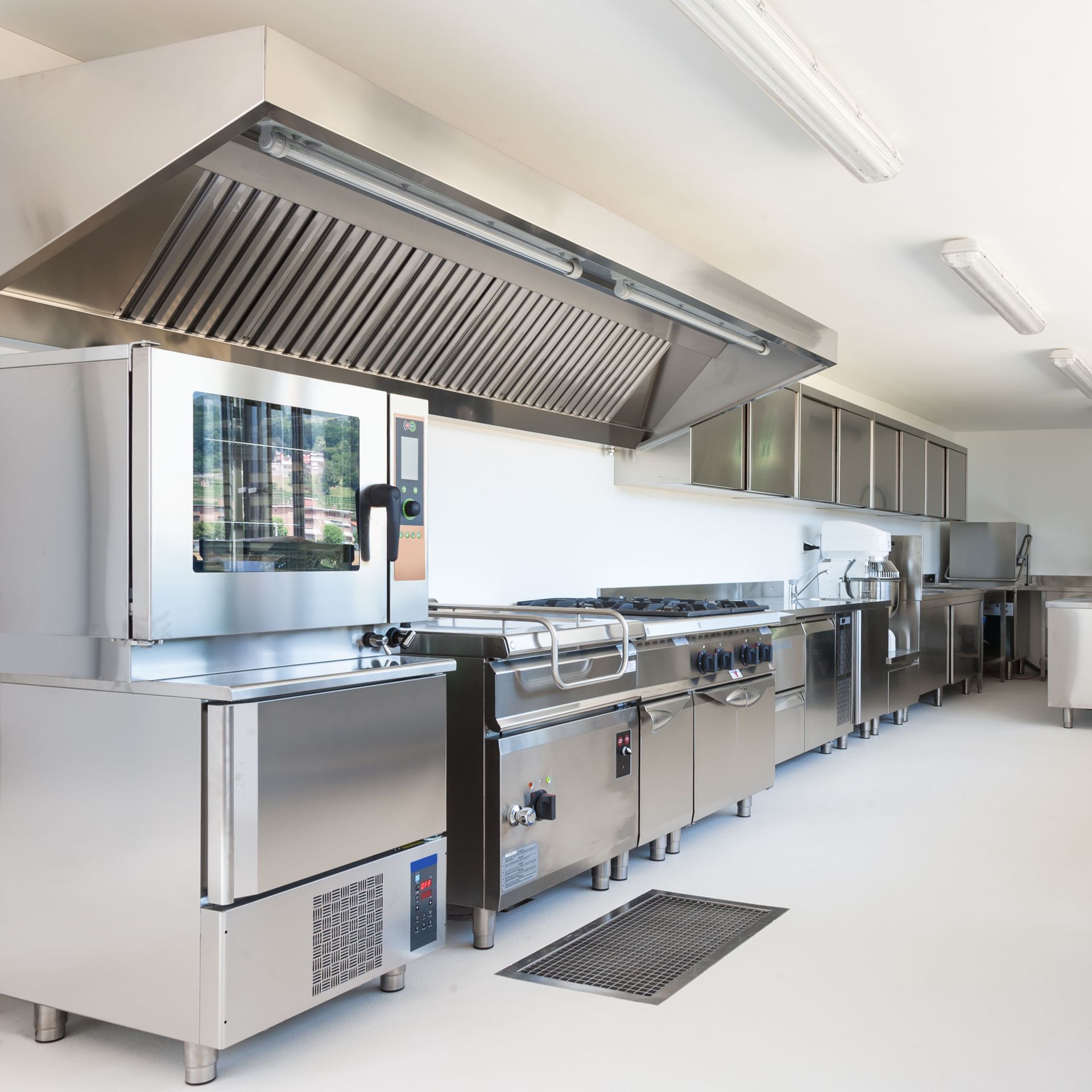
Comprehensive new restaurant kitchen buildouts require meticulous planning to ensure that ventilation hoods, automatic suppression piping, and electrical configurations align seamlessly with fire protection codes. Furthermore, incorporating modern electrical services during layout modifications prevents overloaded circuits, faulty wiring, and thermal overloads that frequently trigger electrical fires in high-demand commercial environments. Whenever structural adjustments are planned, obtaining free quotes and consulting with certified technicians helps establish a secure timeline and layout. In urgent situations, having access to 24/7 emergency services and benefiting from fast response times ensures that unexpected system faults or maintenance emergencies receive immediate attention, protecting both property and personnel around the clock.
Maintaining a secure, compliant, and resilient commercial kitchen requires a holistic approach that integrates advanced suppression technology, rigorous cleaning standards, and strict adherence to municipal codes. By understanding how grease accumulation, equipment placement, and thermal mechanics interact, restaurant operators can proactively neutralize potential hazards before they escalate. Utilizing specialized mechanical upkeep, professional maintenance protocols, and reliable safety checks ensures that every component of the facility functions harmoniously. Ultimately, a proactive commitment to comprehensive fire protection safeguards staff members, preserves physical assets, and establishes a stable foundation for long-term culinary success. Prioritizing fire safety today ensures your establishment remains a secure environment for employees and patrons for years to come. If you are in need of kitchen fire suppression services, contact Chief Fire Prevention today for your free quote.