September 20, 2026
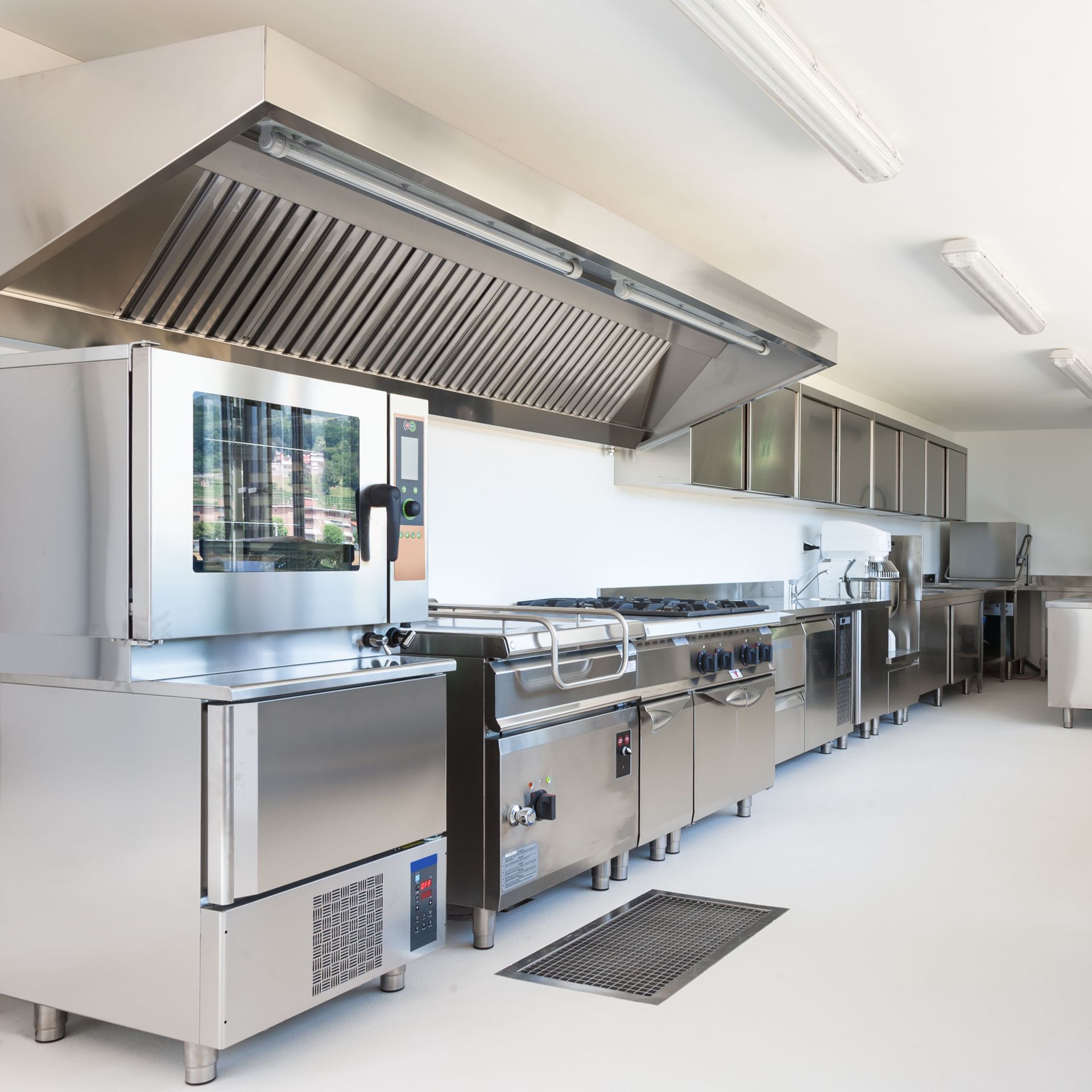
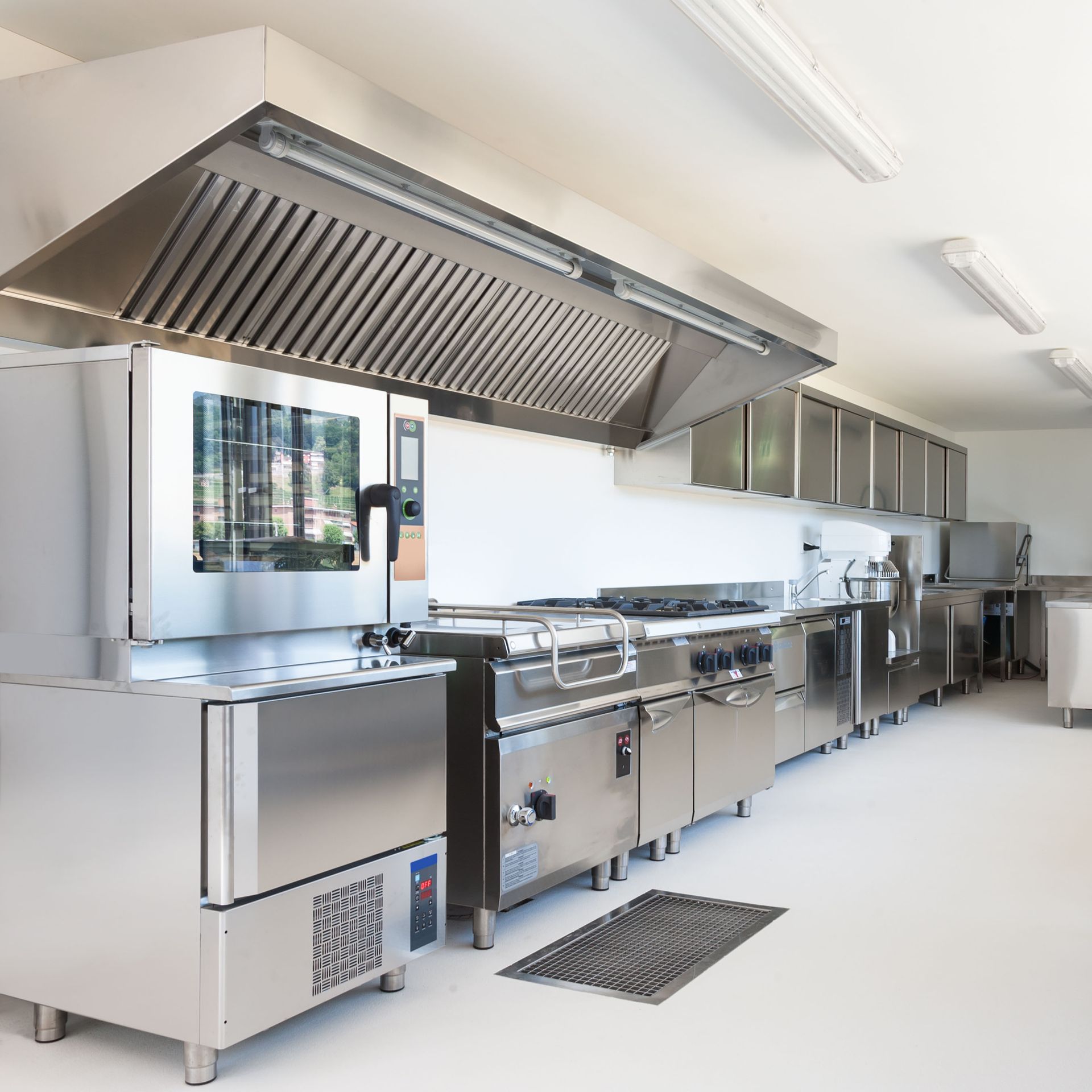
Commercial kitchens are bustling environments in which safety and compliance are paramount. A critical component of these kitchens is an exhaust system that is both properly installed and maintained. Not only does it help meet the stringent requirements of health and fire inspections, but it also minimizes risks and enhances efficiency. Business owners, therefore, must prioritize the installation and care of these systems to prevent violations which can lead to costly fines and potential shutdowns. Understanding how these systems contribute to safety standards is crucial in managing a successful commercial kitchen.
In addition to regulatory compliance, a well-operating exhaust system is essential for maintaining a healthy work environment. Inefficient ventilation can lead to indoor air pollution, which not only affects staff health but also food quality. According to the Toros University Journal of Food Nutrition and Gastronomy, indoor air pollution is estimated to account for approximately 2.7% of the global burden of disease, highlighting the importance of proper ventilation. By investing in a high-quality kitchen exhaust system, business owners can ensure they meet health standards and foster a safe kitchen atmosphere. Thus, understanding and implementing the correct exhaust systems are key to reducing potential health risks.
Moreover, fire safety should not be underestimated in a commercial kitchen. The presence of open flames and hot surfaces, combined with the cooking process, increases the risk of fire hazards significantly. An effective exhaust system helps mitigate these risks by ensuring that combustible particles are removed efficiently from the air. This not only aids in passing fire inspections but also protects staff and property from potential catastrophes. Therefore, investing in proper exhaust system installation and maintenance is not just a good business practice but an essential step in ensuring the safety and longevity of the business.
Understanding Health and Fire Codes for Commercial Kitchens
The Role of Health Codes in Kitchen Safety
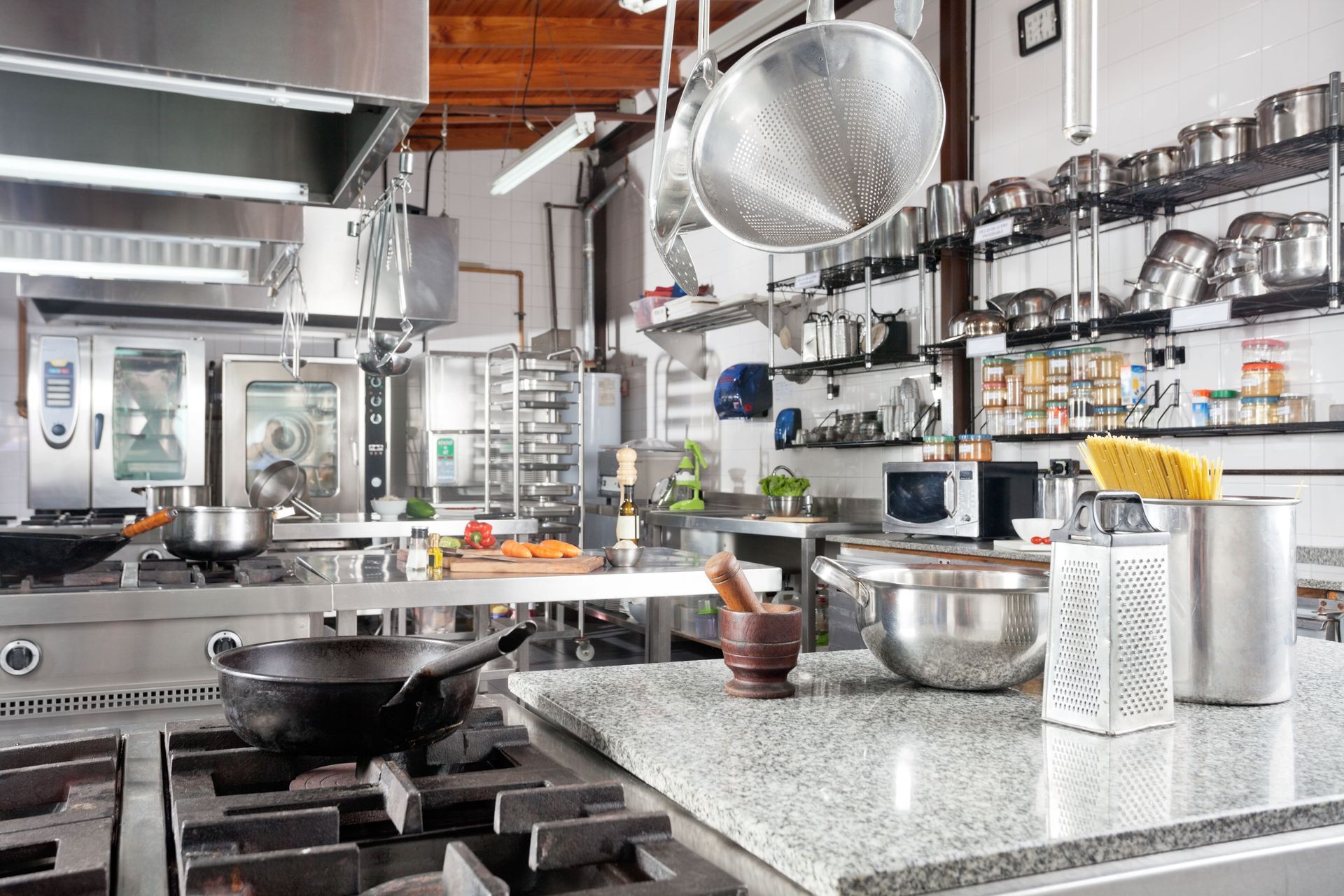
Health codes play a significant role in maintaining safety within commercial kitchens to protect both the public and staff. These regulations dictate standards for cleanliness, food storage, and equipment handling. An exhaust system that manages air quality effectively helps a kitchen comply with these health codes. They play a pivotal role in extracting any harmful contaminants from the kitchen environment, thus ensuring food is prepared in a sanitary manner. By adhering to these standards, business owners can avoid health violations which might lead to fines or business closure.
Health codes are periodically updated, and kitchen operators must stay informed of any changes to remain compliant. Implementing a high-standard kitchen exhaust system can help maintain air quality levels that meet increasingly stringent regulations. These systems remove harmful grease, smoke, and fumes that pose risks. Maintaining a clean air environment prevents indoor air pollution-related health issues highlighted by the Toros University's research. Understanding and abiding by health codes ultimately protect both customer and employee health, which is crucial for any reputable food business.
Furthermore, kitchens that consistently meet health code standards are often viewed favorably by customers. By showcasing a commitment to high sanitation standards, businesses can improve their reputation and customer trust. A well-maintained kitchen exhaust plays a vital role in this, constantly filtering the atmosphere to maintain optimum kitchen hygiene. Moreover, businesses that invest in regular training for their kitchen staff on health code standards can further ensure compliance. Thus, strategic investment in health code compliance aids in both upholding a quality food establishment and boosting business success.
Fire Safety Regulations and Their Impact on Kitchen Design
Fire safety regulations significantly influence the design of commercial kitchens. These regulations govern everything from structural designs to equipment installations in an effort to mitigate fire risks. Effective kitchen exhaust systems are a key component in fire prevention. They are responsible for removing potentially flammable grease build-ups and smoke, which decreases the likelihood of fires. Following these regulations not only keeps businesses compliant but also creates a safer working environment for employees.
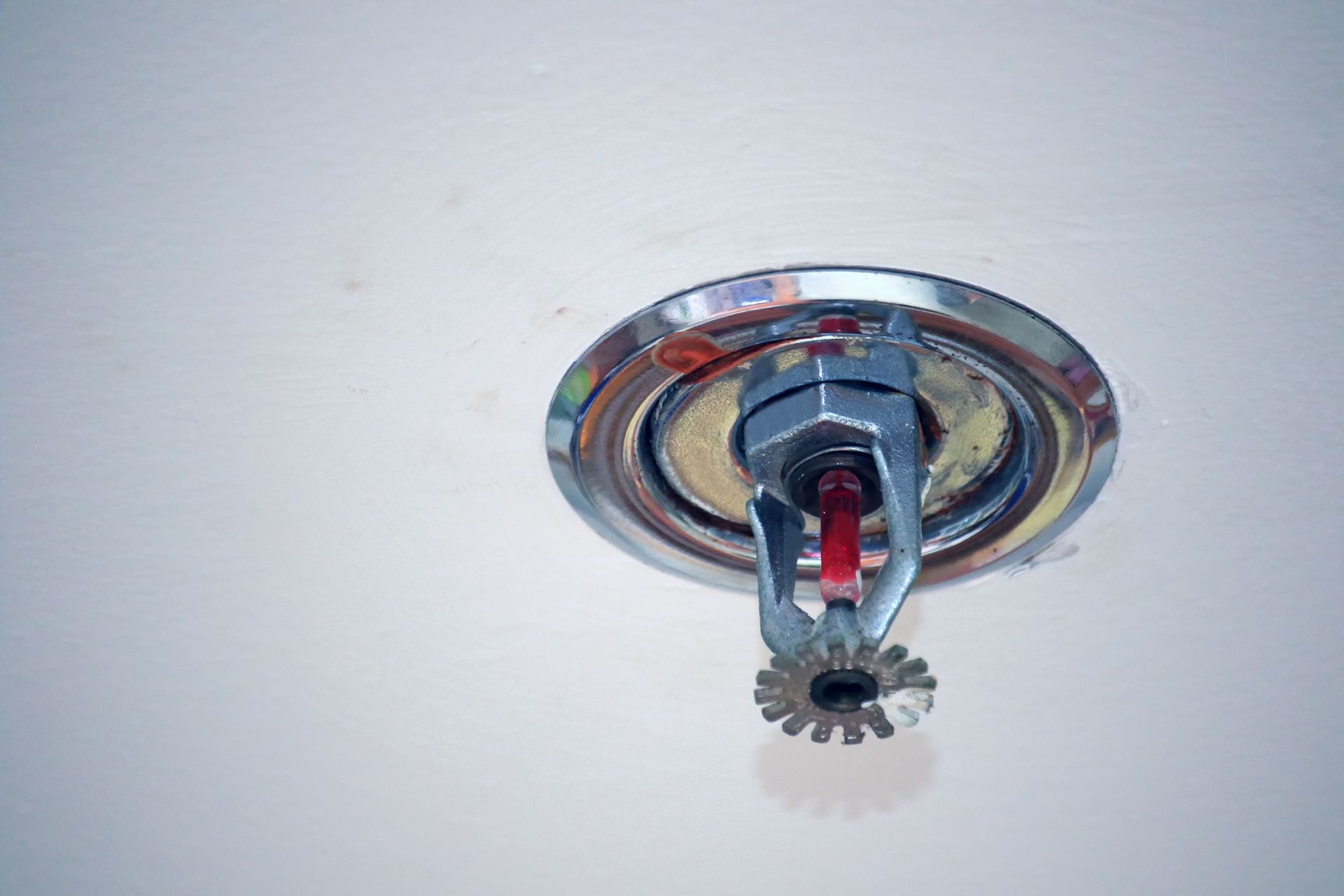
The requirement for exhaust systems to be integrated with fire suppression mechanisms is a standard aspect of fire safety regulations. This ensures that any fires which do start can be swiftly extinguished, minimizing harm and damage. The design of the kitchen, therefore, needs to account for the proper installation of these integrated systems, ensuring all elements work effectively together. By designing kitchens that comply with fire safety standards, business owners can safeguard against disruption and protect staff, property, and investments.
Regular training and drills are crucial components of a robust fire safety strategy. Ensuring staff are familiar with fire safety protocols and emergency response plans dramatically increases the effectiveness of fire prevention measures. This training should include familiarization with the kitchen's exhaust and suppression systems to ensure rapid responses during emergencies. Consequently, commitment to compliance with fire safety regulations can improve the social reputation of a business, showcasing its commitment to employee safety and operational excellence.
How Exhaust Systems Contribute to Compliance
Properly installed exhaust systems contribute significantly to regulatory compliance within commercial kitchens. They ensure that smoke, steam, and airborne grease—byproducts of cooking processes—do not accumulate and pose a health or fire risk. By efficiently removing these elements, kitchens stay within the safety parameters set by health and fire codes. The ventilation systems must be engineered to cater to the specific requirements and size of the kitchen, ensuring maximum efficiency. Investing in the right system helps prevent costly violations and disruptions to the business.
Compliance is further reinforced when the exhaust system includes high-efficiency filters, high-powered fans, and adequate ductwork. These components work in harmony to capture and expel hazardous particles, ensuring air quality remains at safe levels. With the potential for airborne contaminants affecting health, the system’s role is more crucial than simply meeting minimum compliance thresholds; it speaks to the business's commitment to providing a safe working environment. Consequently, understanding the contribution of exhaust systems to compliance enables owners to make informed decisions about their installations.
Moreover, properly functioning exhaust systems help businesses avoid the ramifications of non-compliance. Fines and temporary closures can have long-term financial impacts, while recurring violations might result in license revocation. Maintaining compliance is, therefore, not only a legal requirement but also a financial safeguard. Businesses that recognize the importance of well-installed and maintained exhaust systems are better positioned to thrive in the competitive foodservice industry. Effective exhaust systems ensure a balance between safety, compliance, and operational efficiency vital for success.
Penalties for Non-Compliance with Codes
Non-compliance with health and fire codes can lead to severe penalties for commercial kitchens. Fines levied against businesses can be substantial, impacting the financial stability of the operation. These fines can arise from routine inspections uncovering infractions related to poorly installed or maintained exhaust systems. Not only do they incur immediate financial burdens but can also lead to reputational damage. Persistent non-compliance can also result in temporary, or even permanent, closure of the business, which is detrimental in competitive food industries.
Furthermore, non-compliance extends beyond fiscal penalties. Failure to meet codes can lead to increased risk of fires or health violations, which pose severe threats to both staff and patrons. In addition to the immediate safety risks, these incidents may also result in increased insurance premiums, adding to the financial strain on a business. Ensuring compliance through a well-installed exhaust system is therefore a proactive measure that protects against such escalated risks. Adhering to the codes presents a business as a responsible entity committed to safety and quality. Be sure to reach out to Chief Fire Prevention today to learn more about our professional commercial kitchen exhaust installation!