June 12, 2026
Commercial kitchen hoods serve a crucial role in maintaining a safe and operational foodservice environment. Their installation must adhere strictly to health, safety, and fire regulations, as an oversight here can lead to severe repercussions. As kitchens handle fire and heat, ensuring that fumes and smoke are effectively managed is essential for both regulatory compliance and operational safety. In today's competitive market, compliance is not just about avoiding penalties; it is about creating a safe, efficient environment for customers and employees alike. This article delves into the importance of proper commercial kitchen hood installation, helping operators understand both the strict regulations and the inherent benefits of compliance.
Staying ahead of these requirements is an ongoing challenge as codes evolve. National fire protection standards now place greater emphasis on verifiable documentation and system accessibility rather than just visual inspections. A compliant installation ensures that every duct, fan, and filter is positioned to meet tightening safety mandates while providing a foundation for long-term business viability.
A properly executed installation acts as the primary line of defense against grease fires and poor air quality, which are the leading causes of kitchen-related shutdowns. When a system is engineered correctly from the start, it does more than just satisfy an inspector; it optimizes the entire workflow of the kitchen. By balancing airflow and exhaust power, a professional setup prevents heat from migrating into the dining area, protecting the comfort of your guests and the efficiency of your staff. Ultimately, investing in a high-standard installation is a commitment to the structural integrity of your building and the continued success of your culinary operations.
Understanding Commercial Kitchen Hood Systems and Types
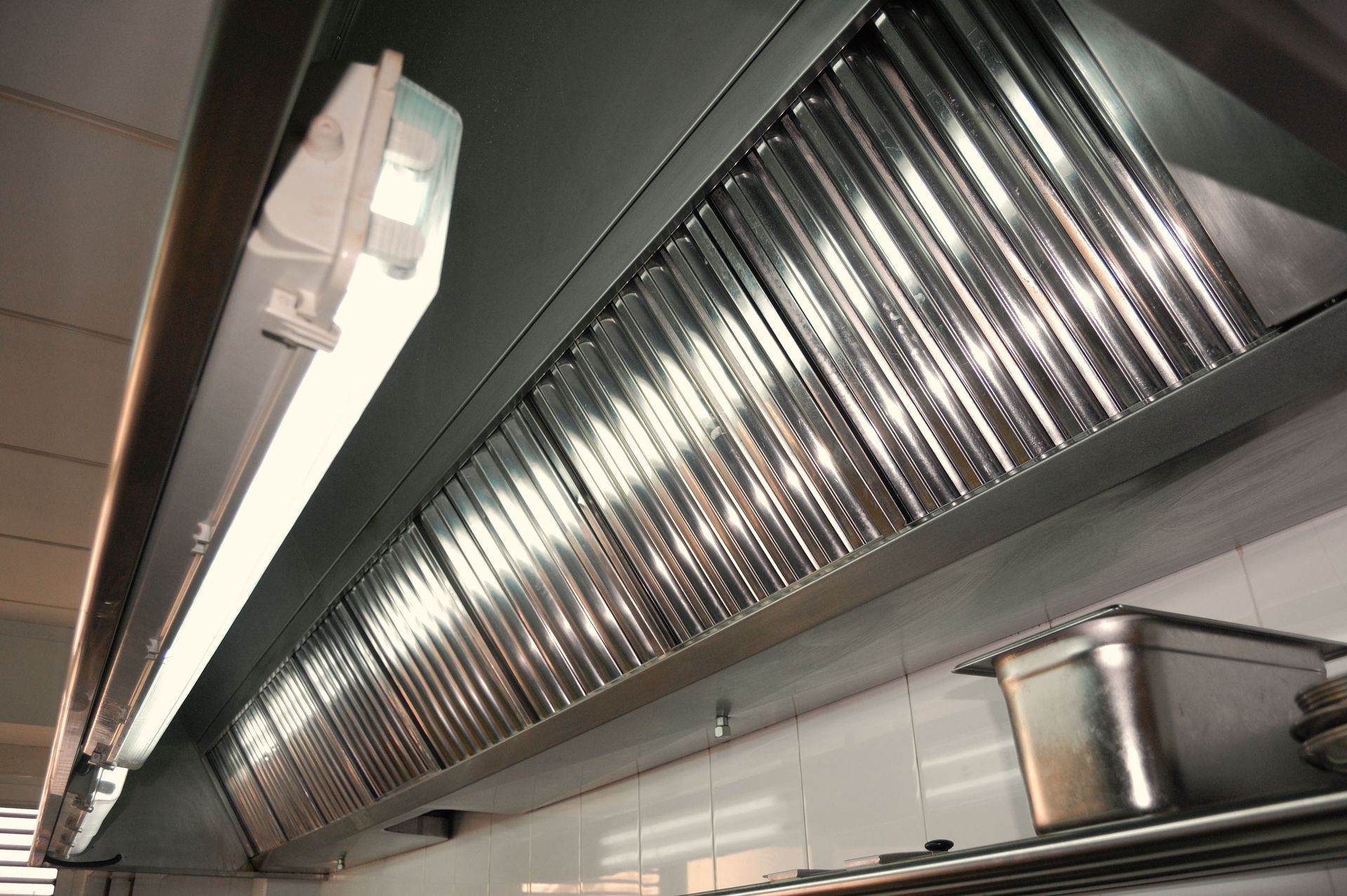
Commercial kitchens often utilize two main types of hoods: Type I hoods, which are designed for grease removal and are installed over cooking equipment that produces grease-laden vapors, and Type II hoods, meant for heat and moisture removal. The selection between these types depends heavily on the equipment being used and the cooking processes employed. A comprehensive understanding of each type and its application is primary in ensuring the right hood system is chosen for your kitchen.
Beyond the basic classification, these systems incorporate several key components, including the canopy, grease filters, exhaust fans, and ductwork. These elements work in tandem to effectively capture and filter out smoke and grease. A lesser-known function, though highly relevant to the working environment, is noise control. According to This Old House, operating your kitchen exhaust on its minimum setting usually generates less than 1 sone of noise, while maximum speeds can produce 10 sones or higher. Proper installation ensures that even at higher speeds, the system remains within an acceptable acoustic range for staff.
Navigating Regulatory Requirements and Fire Safety
Fire safety regulations are paramount in any environment that involves cooking and heat generation. Type I hoods are now strictly required to have an approved automatic fire suppression system that complies with international building and fire codes. These regulations also mandate specific clearances; for example, a hood must typically be installed at a safe distance from combustible materials unless specialized insulation is utilized.
Compliance with fire safety requires regular inspection and maintenance to ensure systems are operational in preventing potential hazards. Many jurisdictions now require that fire suppression systems be monitored to ensure they are ready for immediate use. This involves keeping exhaust systems clean and ensuring that all utility lines shut off automatically when the suppression system is triggered. A well-maintained system is not just a regulatory mandate but an integral safety feature that contributes to overall risk management.
Ensuring Air Quality and Employee Well-Being
High indoor air quality is vital for the safety of employees and the satisfaction of patrons. Kitchen hood systems are essential for capturing and eliminating smoke, odors, and grease particles, which can all degrade air quality if left unchecked. Properly functioning hoods prevent the accumulation of harmful substances, ensuring that the air remains clean and breathable. This function is fundamental to creating a healthy kitchen environment and supports the broader aim of maintaining compliance with ventilation standards.
The health of kitchen staff is directly impacted by these installations. Proper commercial kitchen hood installation plays a role in safeguarding employees from exposure to harmful fumes and excessive heat. This protection extends beyond physical health, contributing positively to the mental well-being of the team by providing a comfortable working environment. As noise levels are managed through better installation practices, focus increases, and stress decreases, allowing for a more productive and professional kitchen atmosphere.
Maintaining Operational Efficiency and Protecting Equipment
A well-installed kitchen hood system boosts operational efficiency by streamlining air filtering processes that are essential for smooth kitchen functions. Effective hoods ensure that cooking areas remain smoke-free, which contributes to faster order processing and less downtime. The reliability of a properly functioning system means fewer disruptions caused by equipment failures or failed health inspections. Additionally, well-ventilated kitchens are less likely to necessitate emergency maintenance, supporting a consistent operational flow.
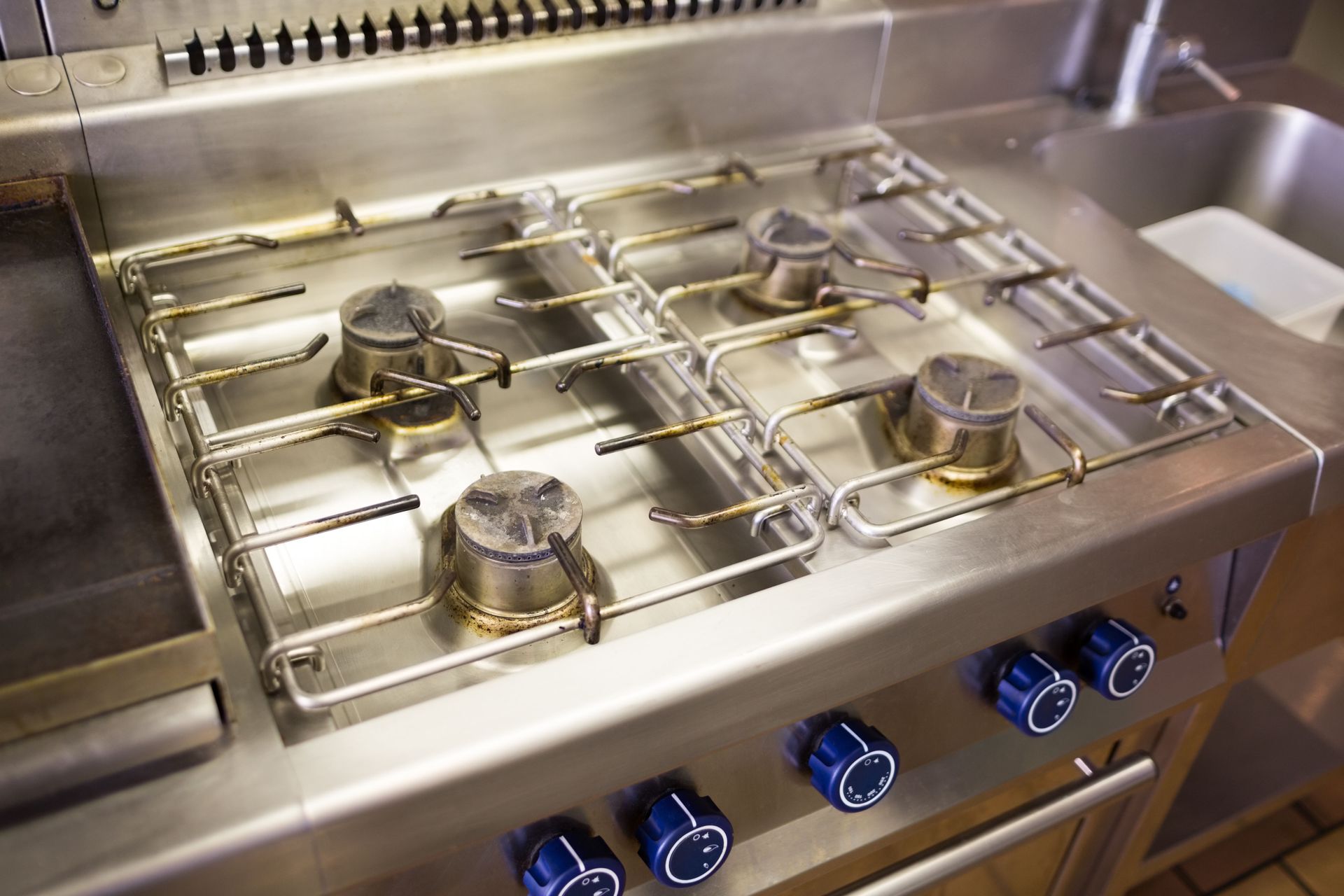
The capability of kitchen hoods to shield cooking equipment from grease and heat extends their lifespan significantly. When hoods are correctly installed and maintained, they prevent grease accumulation on stoves and surrounding surfaces, which can lead to mechanical failures over time. Regular maintenance ensures that ductwork remains unobstructed, fostering a safe operational environment for all kitchen appliances. This prolongs the functionality of major kitchen equipment, ultimately reducing the frequency of expensive replacements and repairs.
Realizing the Importance of Professional Installation Services
Professional installers bring a wealth of expertise to the field, ensuring compliance with all relevant codes and standards. They possess the knowledge required to assess the specific needs of a kitchen and adapt installations accordingly. For instance, the bottom edge of a hood must sit at a specific height above the floor to provide effective capture without creating a safety hazard for staff. Professionals are equipped to handle these precise measurements and structural reinforcements, such as ceiling joists that must support significant weight.
Choosing professional service is an investment that offsets potential costs associated with non-compliance. Uncertified installations often lack the precision required for complex tasks like specialized welding for liquid-tight seams. In the current regulatory climate, enforcement has shifted from simple visual checks to verifiable proof of professional installation and maintenance logs. Certified installers provide the documentation needed to satisfy fire marshals and health inspectors, ensuring your business remains open and safe for the long term.
Compliance standards are continually evolving in response to technological advances and increased safety expectations. Innovations in material science and engineering contribute to more efficient, environmentally conscious systems that meet modern regulatory demands. Smart hood systems represent the forefront of this innovation, utilizing sensors to monitor air quality and adjust fan speeds automatically. These systems maximize energy efficiency by reducing fan speeds when cooking intensity is low, which also helps keep noise levels toward the quieter end of the scale.
Preparing for future compliance challenges involves investing in modular and efficient designs that can be easily upgraded. As global standards for energy use and emissions tighten, kitchens that prioritize high-tech filtration and energy-efficient fan motors will be best positioned to succeed. Proactive adaptation ensures that a facility remains at the forefront of safety and operational excellence. Ultimately, proper
commercial kitchen hood installation is not just about meeting current rules; it is about building a foundation that can withstand the regulatory changes of the future. Visit Chief Fire Prevention online today to view professional service options for your kitchen.