May 7, 2026
In the bustling environment of a restaurant kitchen, fires can start unexpectedly and with devastating consequences. The fast-paced nature, combined with the presence of open flames, hot surfaces, and flammable materials, creates a heightened risk for fire incidents.
Recognizing this threat is crucial, as preparation and prompt response can significantly mitigate damage and safety risks. Working with a local fire suppression service can also help restaurant owners keep critical systems maintained and ready when they are needed most.
With commercial kitchen fires resulting in significant property damage annually, understanding proper fire management procedures is a necessity for all restaurant personnel. This article provides comprehensive guidance on handling and preventing kitchen fires, helping staff respond swiftly and efficiently while supporting long-term safety planning.
Understanding the Common Causes of Kitchen Fires
Flammable Materials
Flammable materials in a kitchen setting are not limited to the obvious ingredients. Common culprits include paper products, cleaning supplies, and certain types of packaging. When stored improperly or placed near heat sources, these materials can ignite easily and spread quickly. It's essential to maintain a strict inventory and storage protocol to minimize risks. Regular inspection and training help all staff recognize the potential hazards associated with these materials.
Electrical Equipment
Electrical equipment plays a vital role in modern kitchens, but can also be a significant fire hazard if not maintained correctly. Faulty wiring, overloaded circuits, and malfunctioning appliances are common causes of electrical fires. Regular maintenance and inspections are crucial to helping equipment operate safely. Implementing daily checks and adhering to manufacturer guidelines can prevent malfunctions. Staff should be trained to recognize warning signs such as flickering lights or unusual noises from equipment.
Grease and Oil Fires
Grease and oil are integral to many cooking processes but pose distinct fire risks. When grease builds up in ventilation systems or on surfaces, it can ignite, leading to catastrophic fires. According to an industry safety overview, commercial kitchen fires related to grease buildup often result in over $200 million in property damage annually. Regular cleaning and proper disposal of grease are vital preventive measures. Using proper tools, safe cooking habits, and a local fire suppression service can significantly reduce the likelihood of grease fires becoming major emergencies.
Open Flames and Stovetops
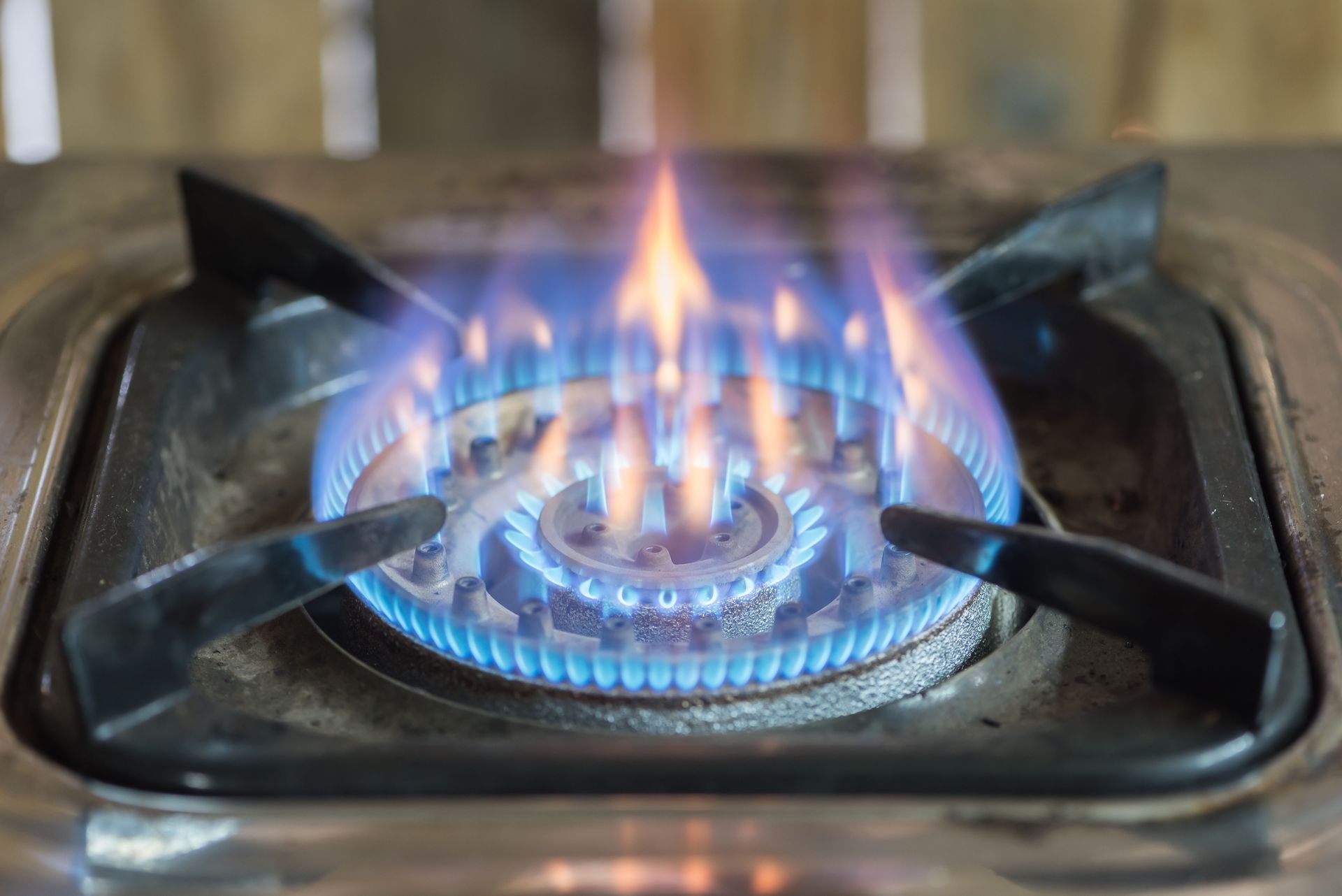
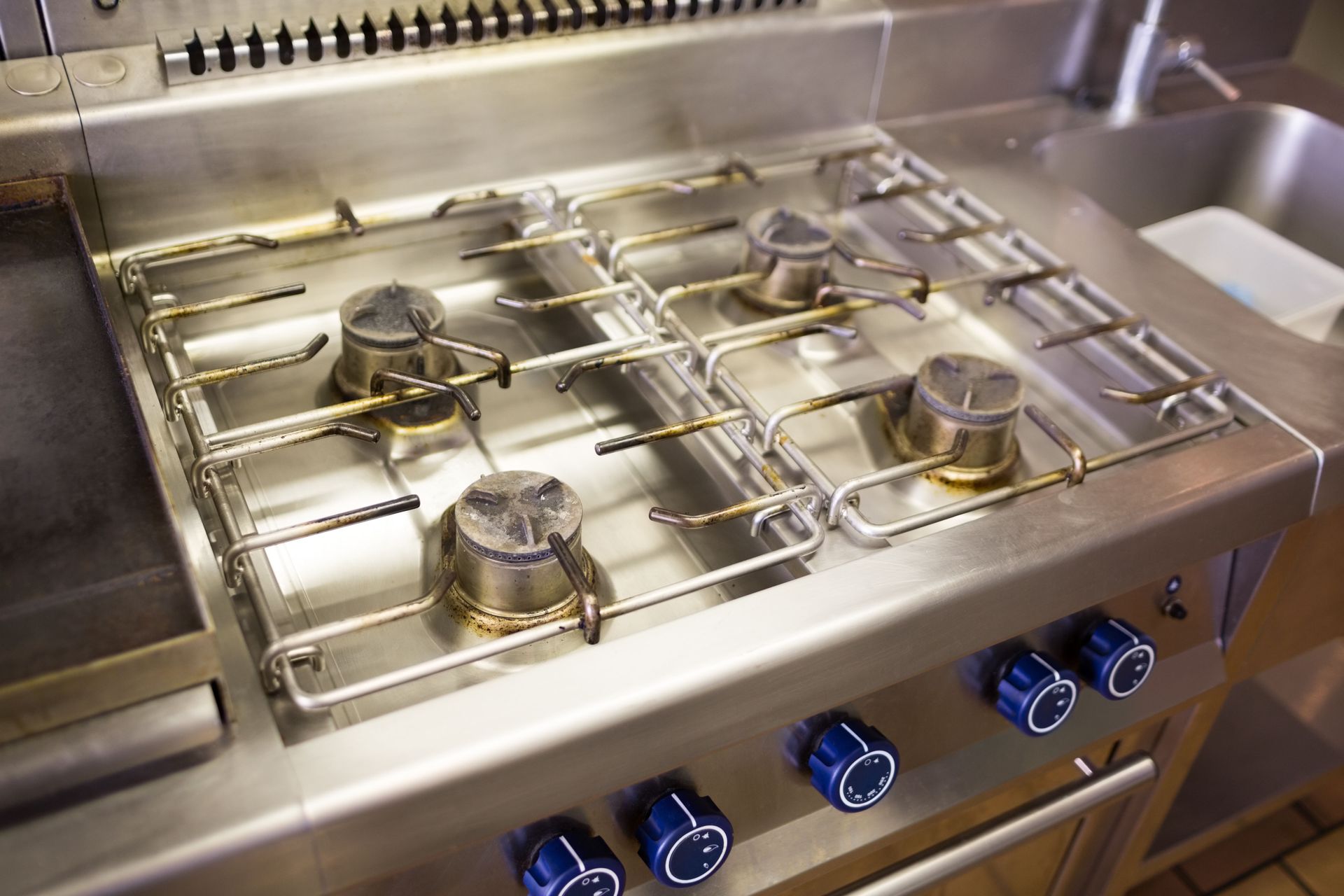
Open flames are a staple in many cuisines, offering both flavor and visual appeal. However, they also pose a significant risk, especially if left unattended. Making sure stovetops and other equipment are never left on without supervision is crucial. Staff should be trained to handle flare-ups appropriately, using tools like fire blankets to smother small fires. Continuous attention and adherence to safety protocols can prevent major incidents.
Improper Maintenance and Cleaning
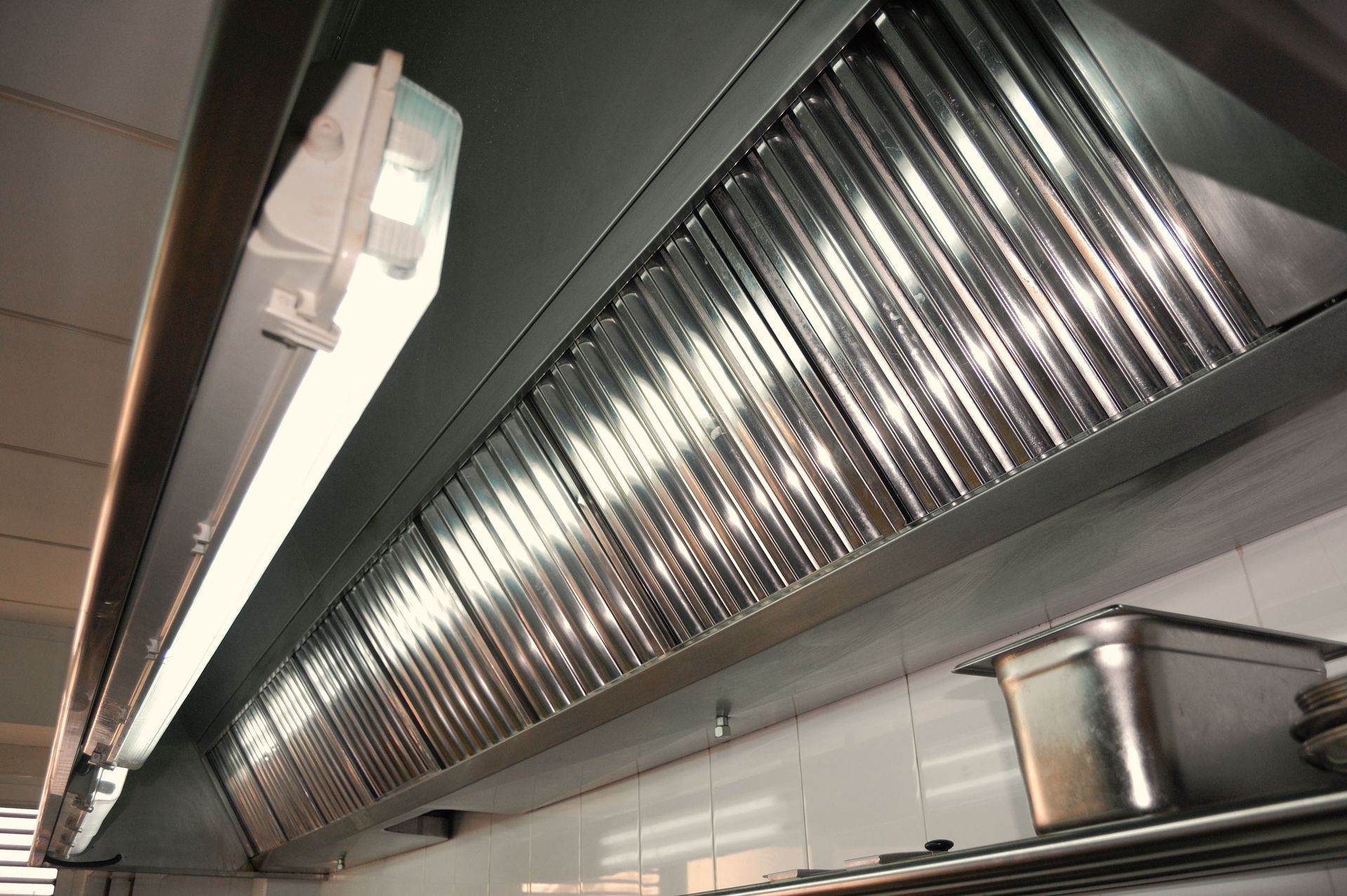
Proper maintenance and cleaning are fundamental to fire prevention in kitchens. Failing to clean hoods, ducts, and filters can result in grease accumulation, increasing fire risk. Scheduled cleaning protocols should be strictly followed, with records kept for compliance checks. Regular maintenance of equipment is also essential so that all appliances are functioning correctly. Creating a checklist for daily, weekly, and monthly maintenance tasks can help prevent fires.
Immediate Steps to Take When a Fire Breaks Out
Alerting Staff and Patrons
In the event of a fire, alerting everyone in the vicinity is the first critical step. Clear and loud verbal alarms should be sounded so both staff and patrons are aware of the emergency. Establishing a distinct fire alarm sound separate from daily kitchen noises is beneficial. It's imperative to have someone responsible for managing the initial response and directing staff and patrons. Practicing this protocol helps everyone know their role and act swiftly.
Using the Correct Fire Extinguisher
Different types of fires require different classes of fire extinguishers to mitigate effectively. Kitchen fires commonly involve grease, which necessitates the use of a Class K fire extinguisher. Staff must be trained to identify the type of fire and use the correct extinguisher promptly. A local fire suppression service can help confirm that extinguishers and suppression systems are appropriate for the kitchen's equipment and layout. This preparation can make a vital difference in early fire containment.
Turning Off Heat Sources
As soon as a fire starts, it is essential to turn off all heat sources to prevent further fuel for the fire. This action involves shutting off gas lines, electrical appliances, and other cooking equipment. Power cut-off switches should be easily accessible and known to all staff members for immediate action. Quick and efficient power-down practices can contain a fire more effectively than many other procedures in its initial moments. Fire safety training should emphasize this as a critical step in fire response.
Evacuating the Premises
Organizing a thorough and orderly evacuation is a vital component of fire safety. Making sure all exits are clearly marked and unobstructed at all times is essential. Regularly practiced fire drills can help staff guide patrons calmly and efficiently to safety. Managers should have a headcount procedure to confirm everyone has evacuated the premises. Evacuation plans should be visibly posted and reviewed with new staff regularly as part of their training.
Calling Emergency Services
Calling emergency services is a necessary step that should occur as soon as the fire is detected and initial safety measures are taken. Knowing the local emergency number and having it displayed prominently supports quick access. Designating a staff member responsible for this task can prevent delays. Clear communication with emergency services includes describing the location, fire type, and any access challenges. This information is vital for first responders to engage effectively upon arrival.
Recovering After a Kitchen Fire
Assessing and Repairing Damage
After confirming safety, the first step in recovery is damage assessment. This involves a thorough inspection to identify structural and equipment damage. Collaborating with professionals allows for a comprehensive evaluation and accurate repair estimates. Prioritizing repairs is essential to restoring safety and functionality promptly. A local fire suppression service should also inspect any activated or damaged suppression components before the kitchen returns to operation.
Reviewing and Adjusting Safety Protocols
The aftermath of a fire provides an opportunity to critically review existing safety protocols. Evaluating the incident allows identification of weaknesses in response and prevention measures. Engaging staff in this process gathers diverse feedback and encourages accountability. Implementing improvements based on these findings enhances preparedness for future incidents. Continuous evaluation and adaptation of protocols support their effectiveness over time.
Supporting Employees and Patrons
A fire incident can be traumatic, requiring support for affected staff and patrons. Providing counseling resources and clear communication about recovery efforts is crucial. Reassurance through transparent updates on safety enhancements can help rebuild confidence. Management should encourage an open dialogue to address concerns and feedback. Fostering a supportive environment helps in regaining confidence and rebuilding community relations.
Restoring and Reopening the Restaurant
Restoration and reopening require meticulous planning and execution. Preparing a detailed checklist allows all recovery aspects to be addressed systematically. Coordination with health and safety inspectors supports compliance for a safe reopening. A local fire suppression service can complete required inspections, recharge systems, and verify that fire protection equipment is ready before operations resume. A staged reopening can help manage resources and gradually rebuild operations to full capacity.
Learning From the Experience
Reflecting on the fire incident is vital for learning and future incident prevention. Analyzing the root cause and response effectiveness provides critical information for improvement. Sharing experiences with the broader restaurant community contributes to industry-wide safety enhancements. Documenting lessons learned and integrating them into training enriches staff learning experiences. This continuous cycle of improvement strengthens the overall fire safety culture.
Fire safety in a restaurant kitchen requires diligent preparation, timely action, and ongoing education. Understanding the many causes and implementing robust preventive measures are foundational to reducing risks. In the event of a fire, clear procedures and training support efficient responses, safeguarding lives and property. Post-incident assessments, system inspections, and continuous learning contribute to resilient safety strategies. By prioritizing staff training, safe kitchen practices, and support from a local fire suppression service, restaurant personnel can protect their work environment and patrons while creating a safer dining experience for all. Contact Chief Fire Prevention today to learn more.