October 14, 2026
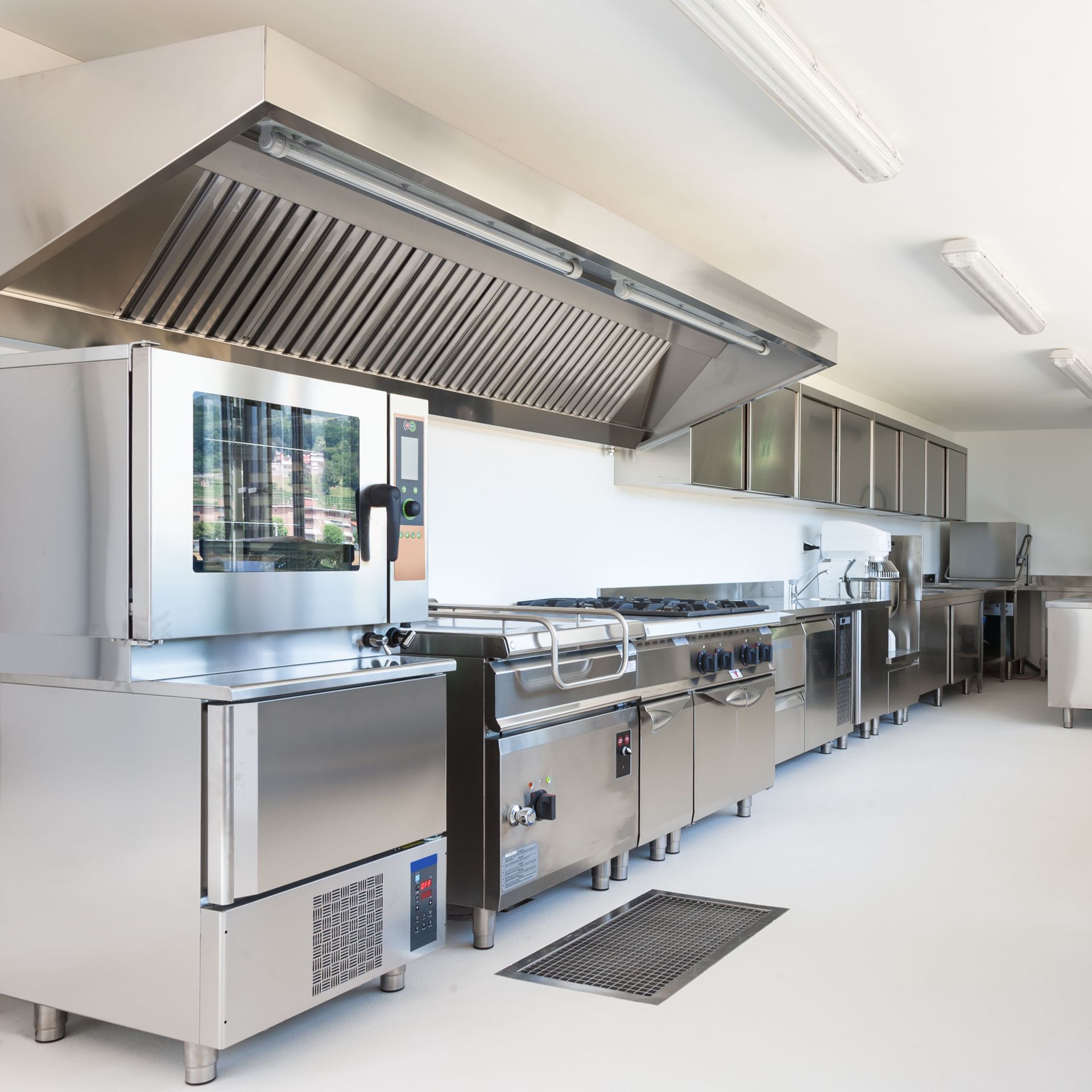
Maintaining an operational commercial kitchen requires relentless attention to hygiene, equipment performance, and workplace safety standards. Among the various mechanical components that power a professional culinary facility, the exhaust hood system serves as a primary defense against grease accumulation, airborne smoke, intense heat, and hazardous vapor buildup. As cooks prepare high volumes of food during daily meal shifts, exhaust fans continuously draw aerosolized oils, steam, and particulate matter up into capture hoods, through metal grease filters, and out through rooftop ductwork channels. Over time, volatile organic compounds cool and solidify along internal duct walls, creating flammable fuel layers across inaccessible mechanical areas. Neglecting routine maintenance schedules invites severe operational risks, including catastrophic grease fires, failed health inspections, sudden fan motor breakdowns, and severe indoor air quality issues.
Establishing a consistent service schedule for exhaust system maintenance is essential for meeting strict municipal fire safety codes and preserving kitchen insurance policies. While daily kitchen closing procedures include wiping down stainless steel hood surfaces and washing removable baffle filters, these surface-level tasks cannot remove thick grease deposits trapped deep within vertical exhaust shafts and rooftop exhaust fan assemblies. Partnering with certified specialists for local commercial kitchen hood cleaning guarantees that certified technicians remove volatile flammable residues right down to bare metal surfaces using specialized pressure washing equipment and eco-friendly degreasing solutions. Understanding the underlying operational factors that dictate cleaning frequency allows restaurant managers, institutional cafeteria directors, and commercial facility operators to establish proactive maintenance programs. Implementing a tailored inspection schedule protects kitchen personnel, safeguards valuable commercial property, and ensures smooth, uninterrupted dining services across every operational season.
Assessing Cooking Volume and Culinary Operation Intensity
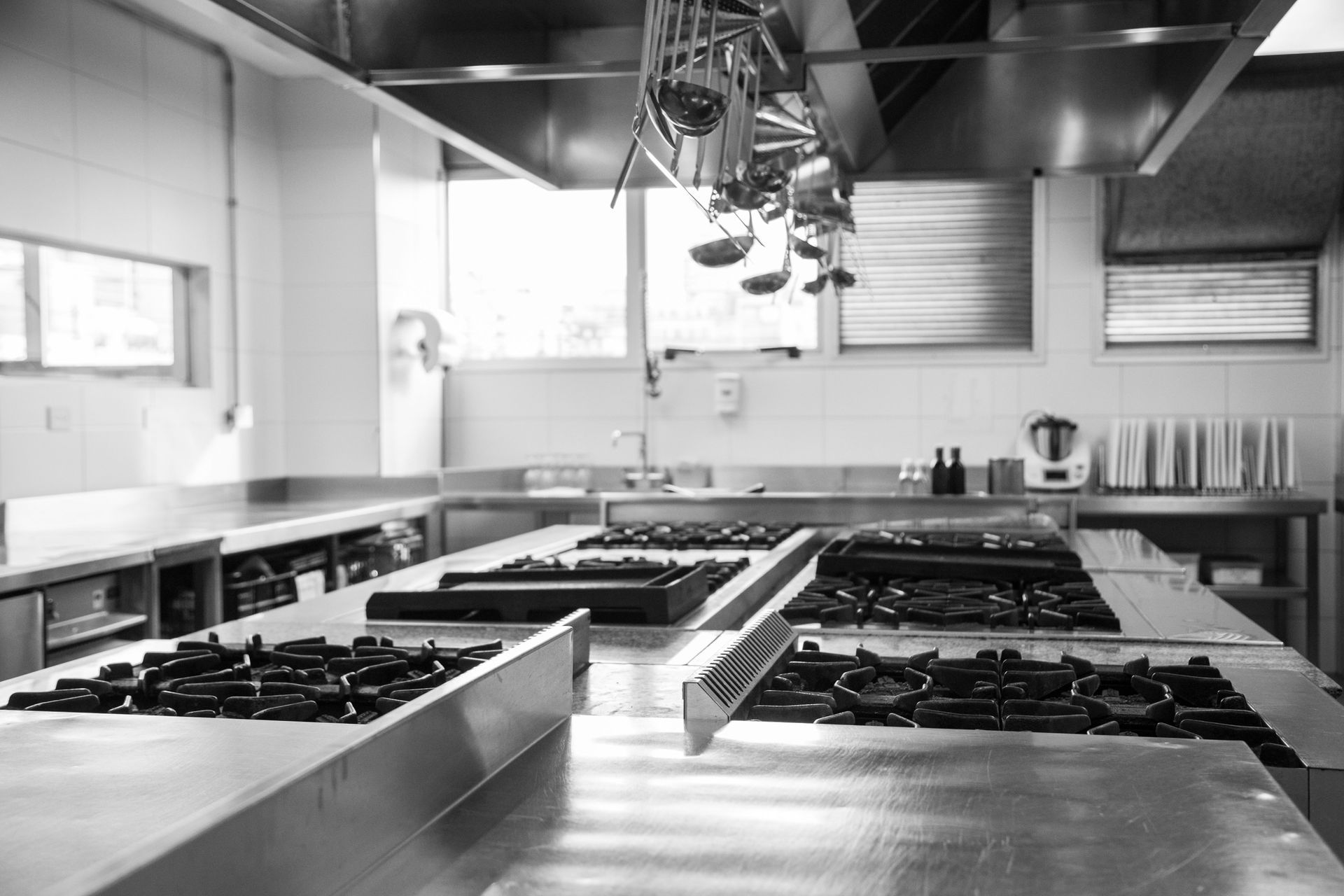
Evaluating daily cooking volume and the specific culinary methods utilized in your facility serves as the foundational step when determining service frequency. Kitchens that rely heavily on open-flame charbroiling, heavy wok cooking, deep frying, or continuous meat searing generate massive quantities of airborne grease vapor during every operational shift. Fast-paced high-volume establishments accumulate thick, sticky fuel layers along internal exhaust walls far faster than low-volume dining facilities.
High-intensity cooking environments require frequent, rigorous service interventions to prevent dangerous fuel buildup inside exhaust ducts. Scheduling monthly local commercial kitchen hood cleaning for high-volume charbroiling operations ensures that heavy grease deposits are stripped away before flammable layers reach dangerous thickness levels. Conversely, lower-volume establishments that cook without open flames can maintain total fire safety with less frequent, quarterly or semi-annual technical visits tailored to their specific operational output.
Meeting Fire Safety Codes and Municipal Regulations
Complying with regional fire prevention codes and national safety standards represents a mandatory requirement for every commercial food service establishment. Fire codes mandate that commercial cooking operations inspect exhaust systems regularly to protect structural property and kitchen personnel from catastrophic duct fires. Regulatory inspectors conduct unannounced site visits to verify that exhaust ductwork remains free of combustible grease accumulations.
Failing to present documented service certificates during routine fire marshal inspections leads to immediate regulatory fines, potential temporary shutdown orders, and voided property insurance coverage. Contracting certified technicians for local commercial kitchen hood cleaning provides facility managers with official service documentation, detailed digital photos, and compliance tags affixed directly to exhaust hoods. Adhering strictly to municipal inspection schedules guarantees full code compliance, protects business reputation, and maintains total peace of mind for property owners.
Sizing Exhaust Airflow and Optimizing System Performance
Calculating necessary exhaust airflow capacity directly influences how quickly grease vapors travel through ductwork and deposit along metal surfaces. Properly engineered exhaust systems move airborne grease out of the building efficiently, preventing heavy oils from settling inside capture hoods and horizontal duct runs. When exhaust fan motors lose speed or baffle filters become clogged, air movement slows down, causing airborne oil droplets to condense rapidly along internal metal walls.
Understanding proper airflow calculations helps kitchen managers monitor mechanical system health and identify exhaust velocity issues early. According to This Old House, a good rule of thumb is to calculate 100 cubic feet per minute of airflow for every one foot of space on your stovetop. Pairing proper mechanical ventilation with regular local commercial kitchen hood cleaning prevents airflow restriction, reduces electrical strain on rooftop fan motors, and maintains balanced air exchanges across the entire kitchen building.
Mitigating Severe Fire Hazards and Health Safety Risks
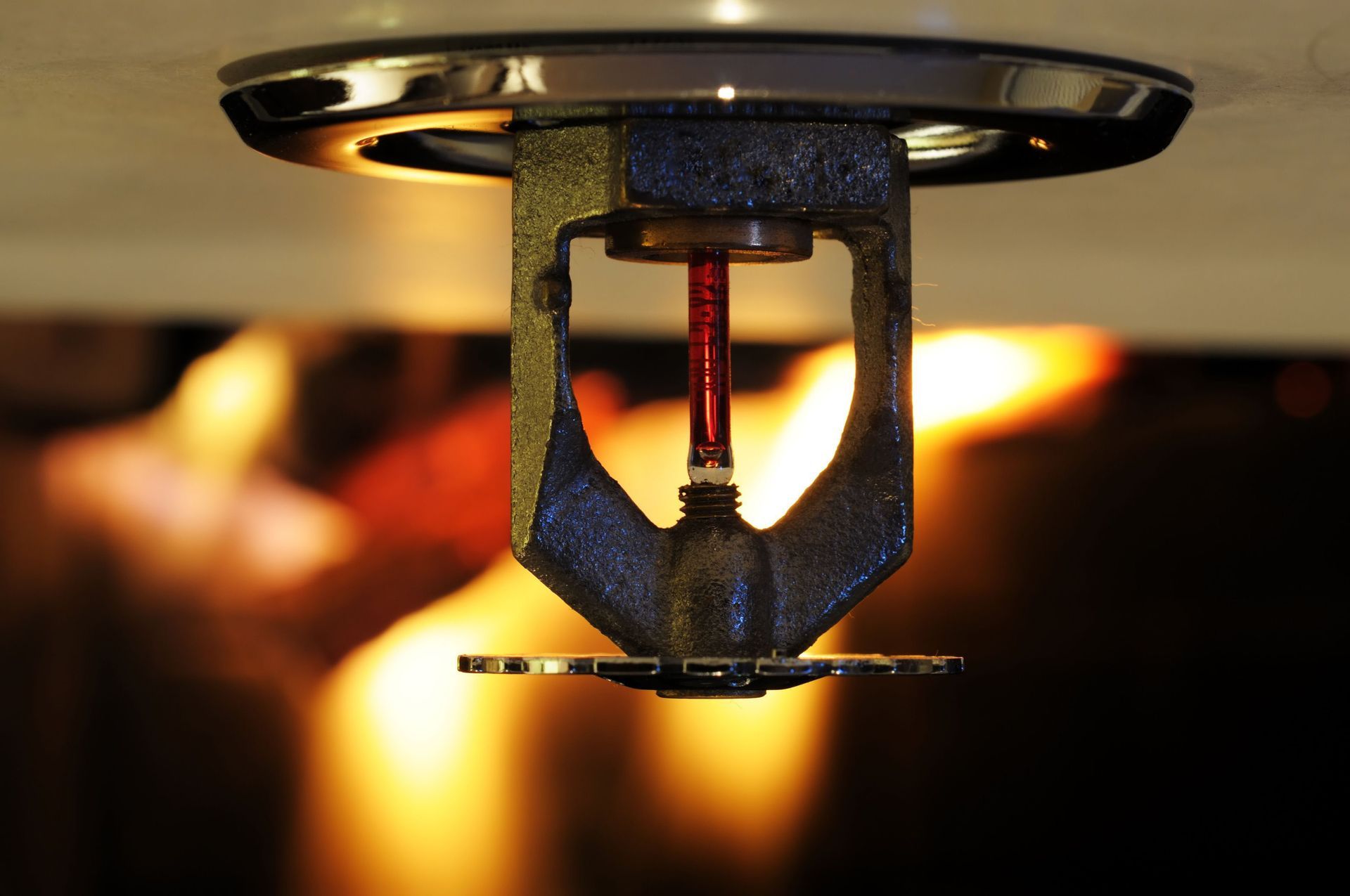
Eliminating combustible grease layers trapped deep within inaccessible duct shafts represents the single most effective action facility managers can take to prevent catastrophic commercial kitchen fires. Flash fires originating on cooktops can quickly ignite heavy grease deposits inside exhaust hoods, pulling intense flames up into concealed ceiling spaces within seconds. Fire suppression systems may struggle to extinguish deep duct fires if heavy fuel loads have been allowed to accumulate over extended periods.
Professional cleaning technicians utilize high-pressure hot water washers, chemical degreasers, and specialized scraping tools to strip grease from exhaust systems entirely. Booking scheduled local commercial kitchen hood cleaning eliminates dangerous fuel sources, keeping internal metal surfaces clean and non-combustible. Eliminating internal fire risks protects staff members, shields valuable building infrastructure, and prevents devastating operational outages caused by preventable fire damage.
Improving Indoor Air Quality and Kitchen Environment Safety
Maintaining pristine exhaust system cleanliness directly impacts the daily health, comfort, and safety of your culinary team. When grease filters clog and exhaust fans struggle with heavy residue deposits, heat, smoke, and toxic carbon monoxide vapors back up into kitchen preparation spaces. Prolonged exposure to smoky indoor air causes eye irritation, respiratory discomfort, fatigue, and decreased productivity among line cooks and prep staff.
Clean, unobstructed exhaust systems pull hot air, excess humidity, and cooking odors out of working spaces swiftly, creating a cool, comfortable environment. Scheduling routine local commercial kitchen hood cleaning restores maximum exhaust suction, eliminating airborne grease particles and stale cooking odors before they spread into customer dining rooms. Prioritizing indoor air quality enhances workplace safety, boosts employee morale, and ensures a pleasant dining atmosphere for restaurant guests.
Preventing Costly Mechanical Failures and Equipment Wear
Extending the operational service life of expensive exhaust fan assemblies and rooftop motors depends heavily on keeping internal components free of heavy grease contamination. Accumulated grease places immense physical weight on delicate fan blades, throwing rotating assemblies out of balance and causing severe motor vibration. Overheated fan bearings, snapped drive belts, and burned-out electrical motors often stem directly from unmanaged grease buildup along mechanical components.
Proactive maintenance prevents unexpected equipment breakdowns during peak meal rushes, saving facility managers from emergency repair fees and lost business revenue. Investing in periodic local commercial kitchen hood cleaning ensures that rooftop fan housings, fan blades, belts, and grease containment trays receive thorough cleaning and mechanical inspection. Keeping exhaust machinery clean reduces mechanical friction, lowers monthly electrical consumption, and delays expensive capital equipment replacements.
At Chief Fire Prevention, we are deeply committed to safeguarding your culinary establishment, ensuring total fire safety compliance, and delivering superior exhaust system maintenance solutions through master technical craftsmanship, advanced cleaning technology, and dedicated customer care. Our team of certified technicians brings extensive industry expertise, specialized high-pressure washing equipment, and meticulous attention to detail to every exhaust hood scraping, duct cleaning, rooftop fan restoration, and fire safety inspection project we execute across our community. We take immense pride in evaluating your unique kitchen setup, inspecting hidden vertical ductwork, recommending optimal cleaning intervals, and executing flawless service that strips grease down to bare metal. Contact us today to schedule your comprehensive exhaust system evaluation and discover the true value of working with dedicated local fire prevention specialists.