April 28, 2026
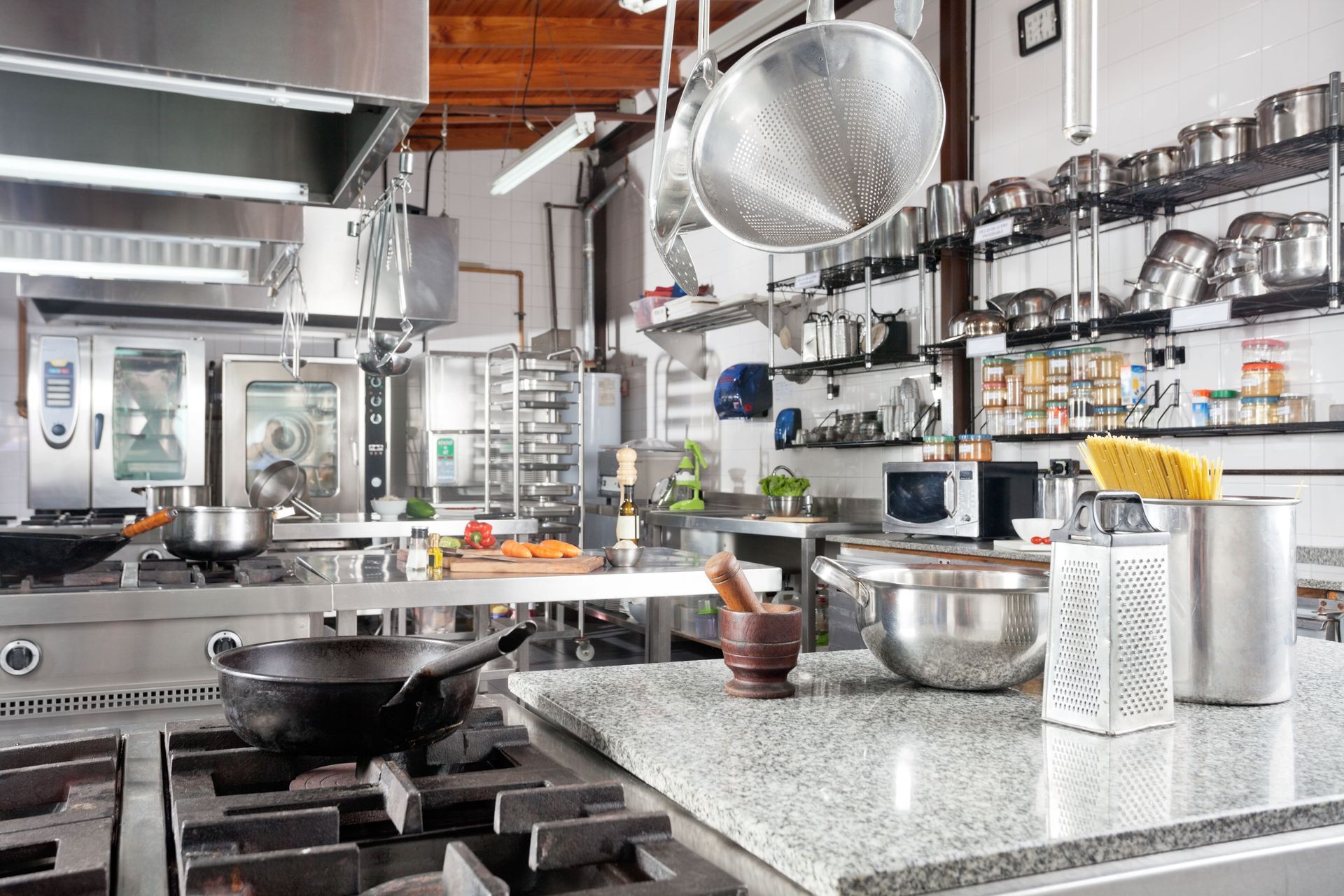
Fire safety in a restaurant environment is not just a regulatory requirement; it is a foundational element of responsible business operations. Commercial kitchens are fast-paced, high-pressure environments where open flames, heated equipment, and grease-laden vapors are part of daily activity. While these elements are essential for food preparation, they also create conditions where fire hazards can develop quickly if proper precautions are not consistently followed.
Many restaurant owners and managers believe that basic cleaning and standard compliance measures are enough to maintain safety. However, hidden risks often build up over time due to overlooked details and inconsistent maintenance practices. One of the most critical yet underestimated areas is commercial kitchen hood cleaning, which directly impacts both fire prevention and air quality.
Understanding the most common mistakes restaurants make with fire safety and suppression systems is key to preventing costly damage, avoiding operational disruptions, and protecting everyone in the building. By recognizing these issues and addressing them proactively, restaurant owners can create a safer and more efficient working environment.
Overlooking Routine Hood Maintenance
One of the most frequent and dangerous mistakes restaurants make is overlooking routine hood maintenance. Kitchen hoods and exhaust systems are designed to capture grease, smoke, and heat, but over time, they become coated with layers of flammable residue. This buildup does not just sit on visible surfaces; it accumulates deep within ducts and hard-to-reach areas where it can go unnoticed.
When commercial kitchen hood cleaning is neglected, grease deposits continue to thicken and create a highly combustible environment. In the event of a flare-up, these deposits can ignite quickly, allowing fire to spread rapidly through the ventilation system. This not only increases the severity of a fire but also makes it more difficult to contain.
Routine professional cleaning ensures that all components of the hood system are thoroughly addressed. It also helps identify potential issues such as restricted airflow or structural wear that could compromise safety. Restaurants that prioritize consistent maintenance reduce their fire risk significantly while also improving the efficiency of their kitchen operations.
Ignoring Fire Suppression System Inspections
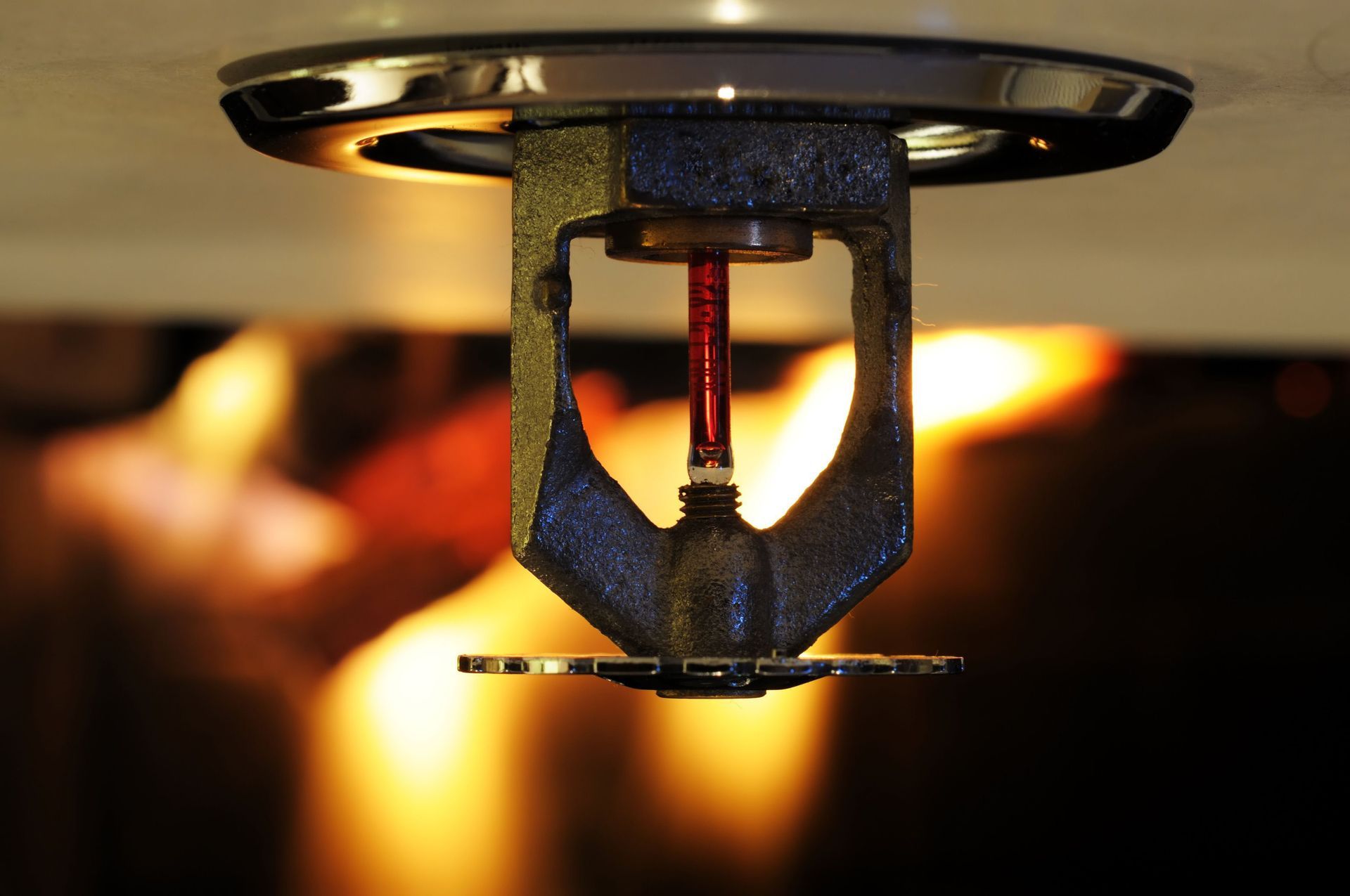
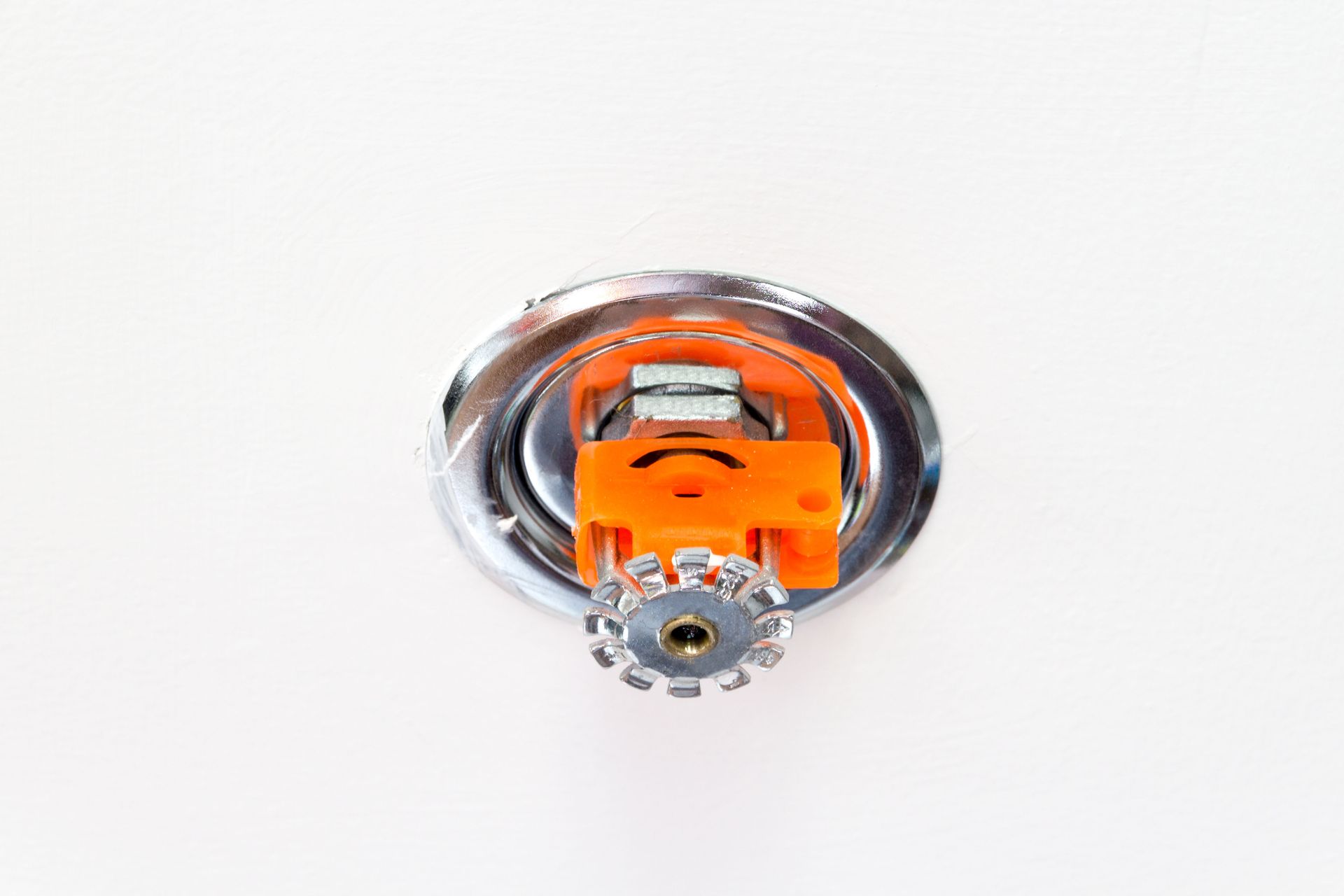
Fire suppression systems are a critical line of defense in commercial kitchens, yet they are often taken for granted. Many restaurant operators assume that once a suppression system is installed, it will continue to function properly without ongoing attention. This assumption can lead to serious consequences.
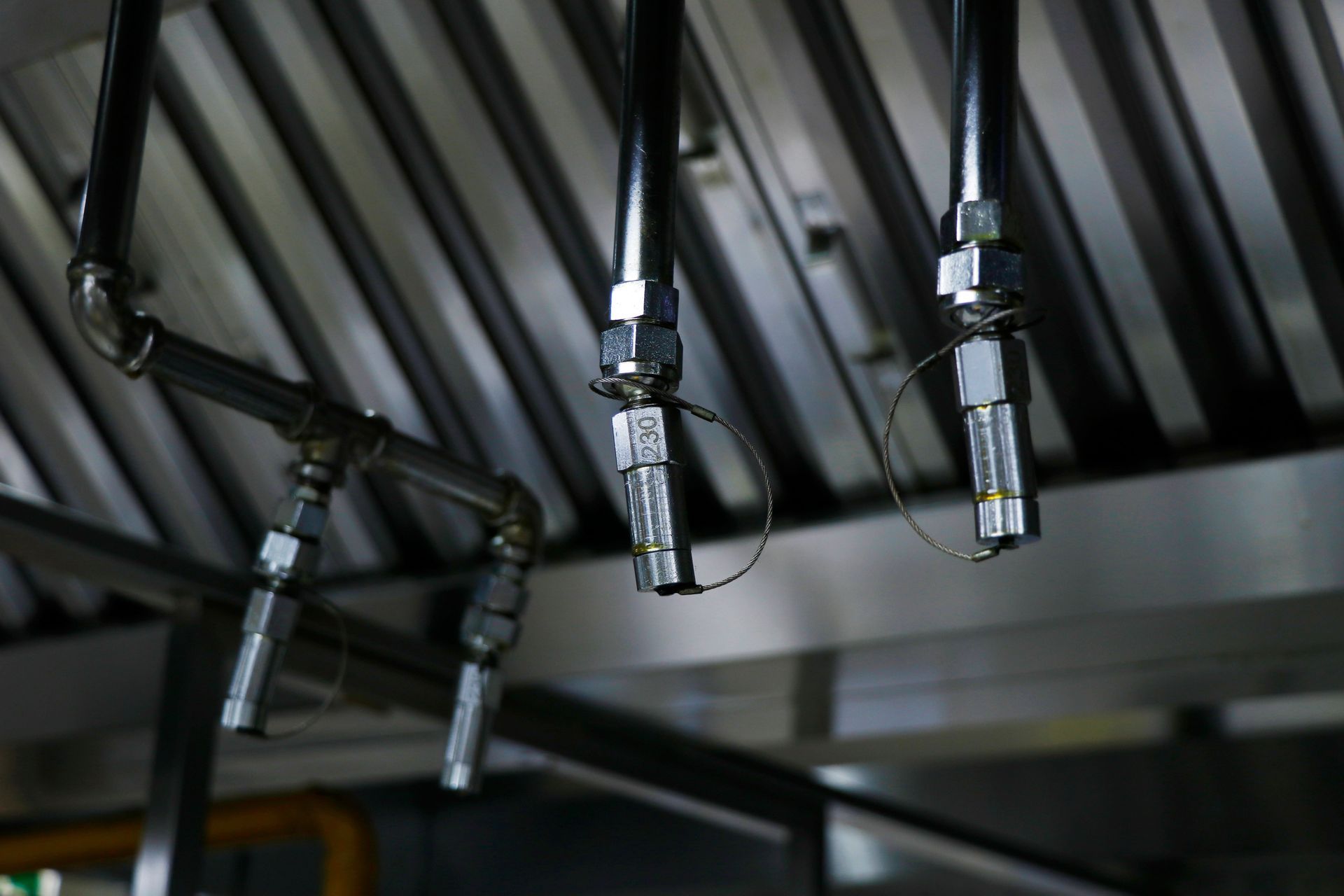
Suppression systems rely on a combination of sensors, nozzles, and control mechanisms to detect and extinguish fires quickly. Over time, grease buildup, wear, and environmental factors can affect these components. Nozzles can become clogged, sensors may lose sensitivity, and system connections can weaken.
Without regular inspections, these issues may remain undetected until an emergency occurs. A system that fails to activate or does not perform effectively can allow a small fire to escalate into a major incident. Regular professional evaluations ensure that all parts of the system are functioning correctly and ready to respond when needed.
Underestimating Grease Trap Hazards
Grease traps play an essential role in managing waste within commercial kitchens, but they are often underestimated in terms of the risks they present. These systems collect fats, oils, and grease, creating an environment where hazardous conditions can develop if not properly maintained.
According to OSHA, there are 4 things to test before entering a grease trap: oxygen content, flammability, toxicity, and explosive hazards. This highlights the level of danger associated with grease trap maintenance and reinforces the importance of professional handling.
Restaurants that treat grease trap maintenance as a routine or low-risk task may inadvertently expose themselves to serious safety concerns. Improper handling can lead to dangerous conditions for employees and service personnel, as well as increased fire risks. Ensuring that grease traps are regularly serviced by trained professionals helps maintain a safer environment and prevents complications that could disrupt operations.
Relying on Inadequate Staff Training
Staff training is a fundamental component of fire safety, yet it is often overlooked or treated as a one-time requirement. In reality, ongoing education and reinforcement are necessary to ensure that all team members understand their responsibilities and are prepared to act in an emergency.
Employees are often the first to notice potential hazards, such as excessive smoke, unusual odors, or signs of grease buildup. Without proper training, these warning signs may go unrecognized or ignored. Additionally, staff may not know how to respond effectively if a fire occurs, which can lead to panic and delayed action.
Providing comprehensive training helps create a culture of safety within the restaurant. This includes teaching employees how to identify risks, maintain cleanliness standards, and use fire suppression equipment correctly. Well-trained staff are more confident and capable, reducing the likelihood of accidents and improving overall safety.
Delaying Professional Cleaning Services
Another common mistake is delaying professional cleaning services due to time constraints or cost concerns. While it may seem convenient to postpone maintenance, this approach often leads to greater risks and higher expenses in the long run.
As grease and debris continue to accumulate, the effectiveness of the ventilation system decreases. This results in higher temperatures, reduced airflow, and an increased likelihood of fire hazards. Commercial kitchen hood cleaning is not just about maintaining appearances; it is a critical safety measure that should never be delayed.
Professional cleaning services address areas that are not accessible through routine staff efforts. By scheduling regular maintenance, restaurants can prevent dangerous buildup and ensure that their systems operate efficiently. This proactive approach supports compliance, reduces risk, and helps avoid unexpected disruptions.
Overlooking Ventilation System Performance
Ventilation systems are essential for maintaining a safe and functional kitchen environment, yet they are often overlooked. These systems are responsible for removing heat, smoke, and airborne grease, all of which contribute to fire risk when not properly managed.
When ventilation performance declines, the entire kitchen is affected. Heat and smoke can accumulate, creating uncomfortable and potentially hazardous working conditions. Grease particles may settle more quickly, increasing the rate of buildup within the system.
Regular monitoring and maintenance of ventilation systems help ensure that airflow remains consistent and effective. This includes inspecting ducts, checking for obstructions, and verifying that all components are functioning properly. A well-maintained ventilation system not only enhances safety but also improves overall kitchen efficiency and staff comfort.
Fire safety in restaurants requires more than basic compliance; it demands a proactive and detail-oriented approach. Each aspect of kitchen operations, from equipment maintenance to staff training, plays a critical role in reducing risks and preventing incidents. Consistently reinforcing these practices helps build a culture of accountability and awareness that strengthens safety across every level of the operation.
By addressing common mistakes such as neglecting commercial kitchen hood cleaning, ignoring suppression system inspections, underestimating grease trap hazards, delaying professional services, and overlooking ventilation performance, restaurant owners can significantly improve their safety standards. Taking these steps not only protects the business but also ensures a safer environment for employees and customers.
At Chief Fire Prevention, we are dedicated to helping restaurants maintain safe, compliant, and efficient kitchen environments. We provide professional support in commercial kitchen hood cleaning, fire suppression system inspections, and comprehensive fire prevention services. Our team works closely with you to ensure that every aspect of your kitchen meets the highest safety standards, allowing you to operate with confidence and peace of mind every day.