November 25, 2026
Running a successful restaurant requires constant attention to culinary quality, customer service, and workplace safety, yet few operational tasks are as vital as maintaining your exhaust system. Routine commercial kitchen hood cleaning serves as one of the first lines of defense against catastrophic fires, turning a legal requirement into an essential safeguard for your staff, guests, and property. When grease, intense heat, and open flames share a busy workspace, even minor maintenance oversights can quickly escalate into life-threatening emergencies. By understanding how exhaust systems operate, what regulatory standards apply, and how modern maintenance practices reduce risk, restaurant owners and managers can protect their establishments from devastating fire losses.
Understanding High-Risk Kitchen Environments
Commercial kitchens bring together intense heat, open flames, high-voltage electrical equipment, and flammable cooking oils in a fast-paced setting. Throughout every shift, frying, grilling, broiling, and sautéing release vaporized fats and dense smoke into the air. Left unmanaged, these airborne particles settle across cooking surfaces and drift upward into exhaust pathways, creating a volatile fuel source. Ventilation systems work continuously to capture these byproducts before they accumulate, keeping workspaces safe and breathable. However, because commercial cooking generates heavy grease loads day after day, even the best ventilation hardware relies on proactive care to prevent hazardous conditions from developing behind the scenes.
Examining How Hood Systems Function
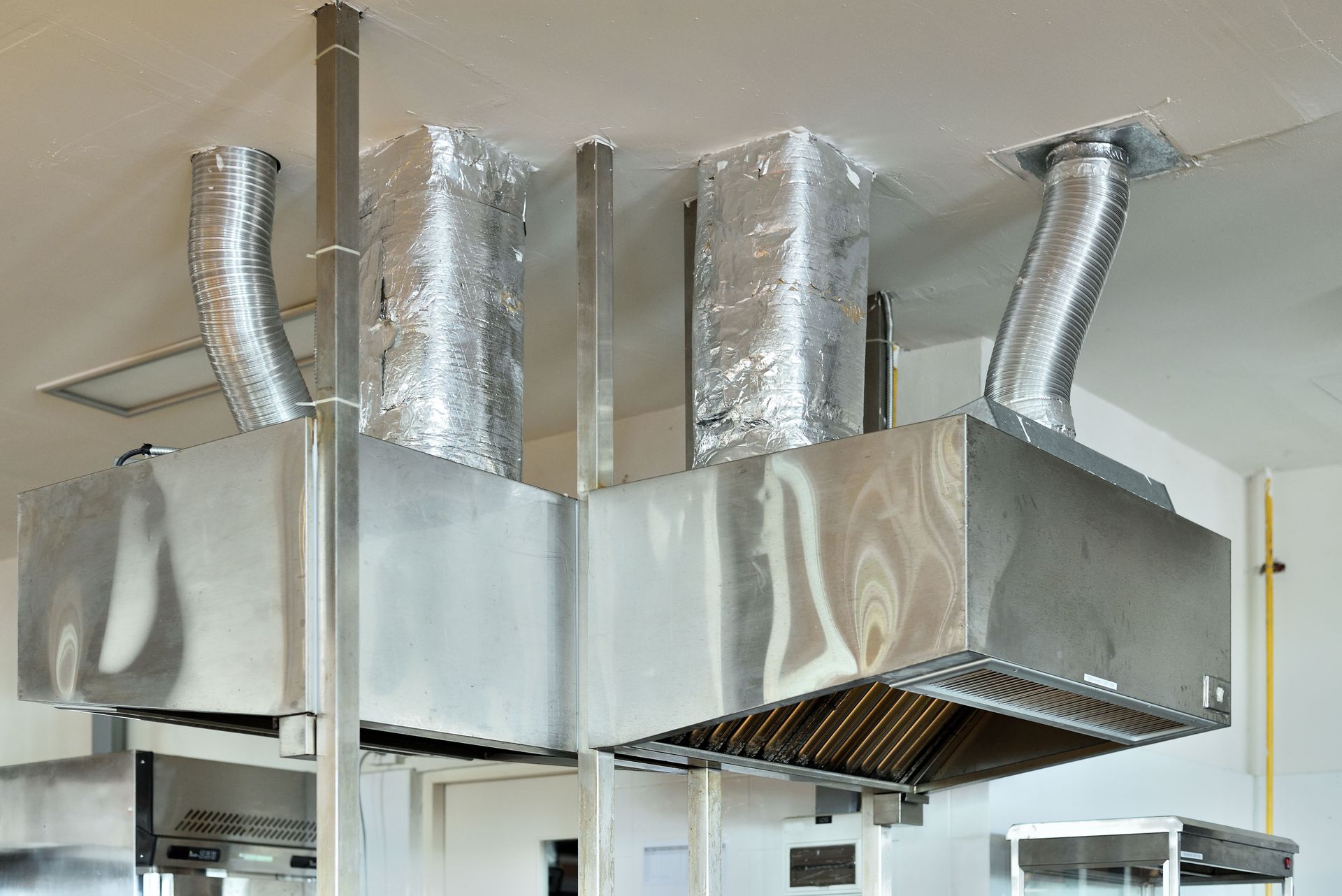
A commercial exhaust hood acts as both an air filtration unit and a thermal control system for your entire cookline. During operation, powerful exhaust fans draw heat, smoke, steam, and grease-laden vapors away from stoves, fryers, and grills. Baffle filters inside the canopy trap heavy grease droplets and particulates while allowing cleaner air to travel through the ductwork and exit the building safely. When components remain clean and unobstructed, airflow stays balanced and kitchen temperatures remain manageable. Conversely, when grease clogs filters and coats fan blades, airflow drops sharply, trapping heat above cooking appliances and undermining the hood's ability to prevent fire hazards.
Recognizing the Dangers of Grease Accumulation
Every meal prepared in a busy kitchen leaves microscopic traces of oil and carbon residue inside hoods, plenums, and exhaust ducts. Over weeks and months, these thin films harden into thick, highly combustible layers that restrict ventilation and create severe ignition risks. Saturated filters can also drip liquefied grease back toward open burners, dramatically increasing flash-fire hazards during busy shifts. According to IntelliSee, recent safety data estimates roughly 5,600 restaurant fires were reported to fire departments each year, and many of these blazes escalate rapidly when flames reach grease-coated ducts. Past fire investigations repeatedly show that a single flare-up on a range can ignite neglected exhaust buildup, allowing fire to spread unseen through walls and rooftops. Consistent commercial kitchen hood cleaning removes this hidden fuel before a spark can turn into a disaster.
Following the Step-by-Step Cleaning Process
A thorough commercial kitchen hood cleaning follows a systematic procedure designed to decontaminate every accessible part of the exhaust system. Technicians begin with a comprehensive visual inspection to locate heavy grease deposits, blocked airways, or damaged components. Next, they protect surrounding kitchen appliances and floors with heavy-duty plastic coverings before removing baffle filters, grease cups, and duct access panels. Using high-pressure hot water washers, specialized scrapers, and food-safe industrial degreasers, specialists strip away baked-on residue from the canopy, vertical and horizontal ductwork, and rooftop exhaust fans. Once every surface is bare metal clean, technicians reassemble the system, polish the exterior hood, and run performance tests to verify proper airflow.
Determining the Proper Cleaning Frequency
The ideal schedule for commercial kitchen hood cleaning depends on your cooking volume, menu items, and fuel sources. High-volume operations—such as 24-hour diners, fast-casual burger concepts, and full-service restaurants using charbroilers or woks—typically require quarterly service to keep grease buildup under control. Establishments that rely on solid-fuel cooking, including wood-burning pizza ovens or charcoal grills, often need monthly cleanings due to rapid creosote and soot accumulation. Meanwhile, lower-volume facilities like schools, churches, senior centers, or seasonal kitchens may qualify for semi-annual or annual service. Tailoring your maintenance calendar to operational demands ensures year-round protection and uninterrupted regulatory compliance.
Comparing Professional Services with DIY Cleaning
While some operators consider assigning exhaust maintenance to in-house staff to trim expenses, amateur efforts rarely match the thoroughness of certified specialists. In-house teams typically wipe down visible stainless-steel surfaces and wash removable filters, leaving deep ductwork, fan housings, and hidden seams packed with flammable residue. Investing in certified commercial kitchen hood cleaning protects your business with trained technicians who use commercial-grade pressure washers, foaming degreasers, and specialized scraping tools to reach every inch of the system. Professionals also spot worn fan belts, faulty hinges, or fire-damper issues early and provide official compliance certificates and photographic documentation required by fire marshals and insurance carriers.
Complying with NFPA Fire Safety Standards
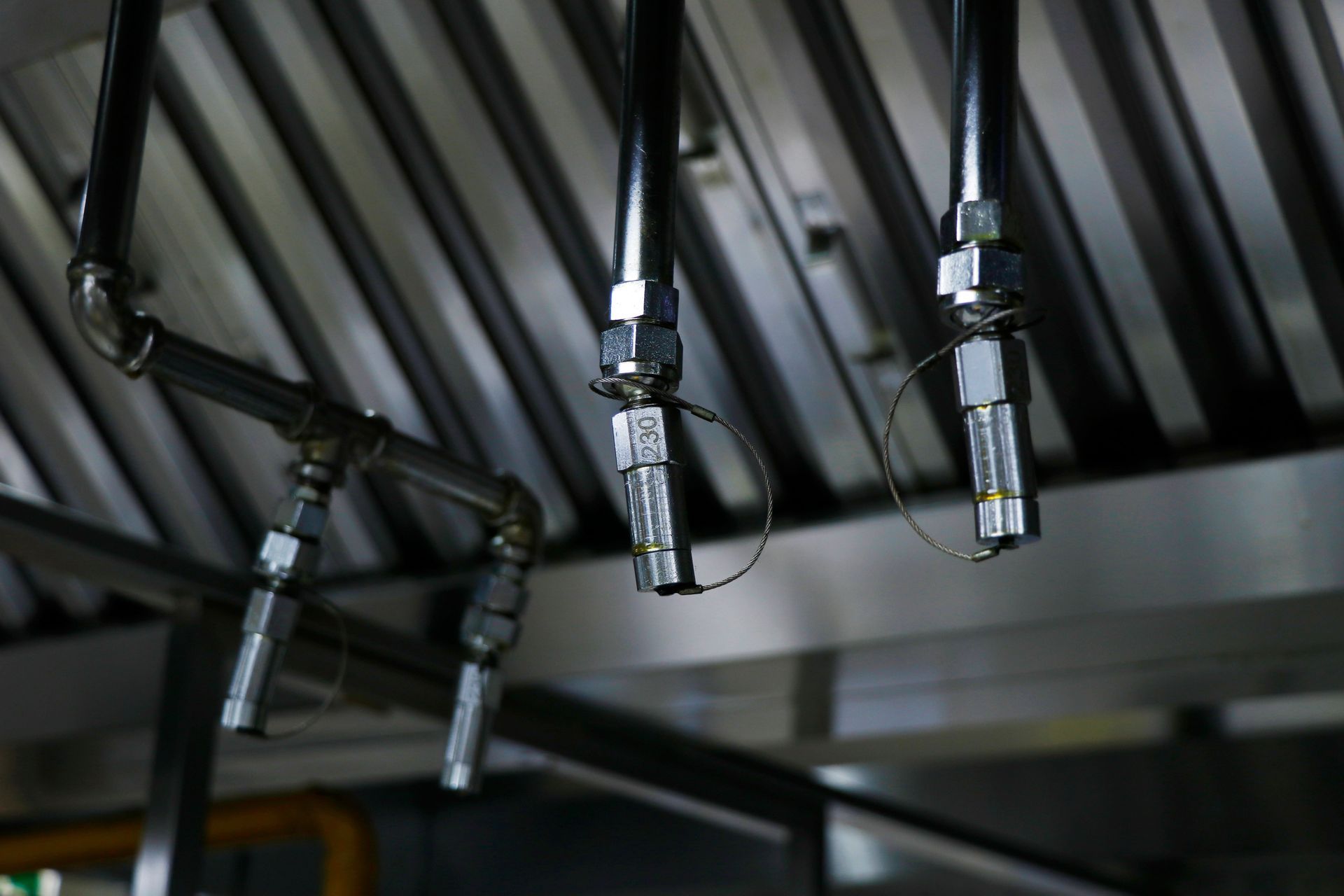
Strict industry regulations govern exhaust maintenance to protect workers, diners, and neighboring properties from preventable fires. The National Fire Protection Association establishes the national benchmark through NFPA 96, which outlines mandatory cleaning frequencies, access-panel requirements, and fire-suppression protocols for commercial cooking operations. Following service, certified providers affix dated verification tags directly to the hood canopy so inspectors can confirm compliance at a glance. Local fire marshals and municipal health inspectors enforce these rules during routine and unannounced visits. Failing an inspection can trigger steep fines, mandatory operational shutdowns, or voided insurance coverage following an incident. Staying informed about updated NFPA guidelines, maintaining accurate service logs, and partnering with certified technicians keeps your restaurant compliant and audit-ready at all times.
Calculating the Financial Benefits of Prevention
Budgeting for routine commercial kitchen hood cleaning delivers substantial financial protection compared to the staggering cost of a kitchen fire. A single fire incident can result in hundreds of thousands of dollars in structural repairs, smoke and water remediation, ruined inventory, and lost revenue during extended closures. Beyond avoiding catastrophic losses, documented maintenance helps lower long-term operating expenses. Many commercial insurers reward proactive fire-prevention programs with lower premiums or policy rebates, while clean fans and motors experience less mechanical strain and fewer costly breakdowns. Treating scheduled maintenance as a core operational investment safeguards both your physical assets and your long-term bottom line.
Improving Indoor Air Quality and Sustainability
Consistent hood maintenance also creates a healthier workplace while supporting broader environmental goals across the foodservice industry. Clean exhaust systems efficiently capture smoke, odors, and airborne irritants, improving indoor air quality for kitchen crews and dining guests alike. Unobstructed ductwork allows exhaust fans to move air without overworking, reducing electricity consumption and lowering monthly utility bills. Furthermore, well-maintained equipment lasts significantly longer, keeping heavy metal components out of landfills and reducing replacement waste. When technicians pair routine service with biodegradable, eco-friendly degreasers, restaurants minimize harsh chemical runoff and demonstrate genuine environmental stewardship to eco-conscious customers.
Adopting Innovative Hood Cleaning Technologies
Modern advancements are making exhaust maintenance smarter, cleaner, and more reliable than ever before. Automated hood cleaning systems use built-in nozzles and programmable timers to spray water and detergent cycles inside canopies after hours, reducing manual labor between deep cleanings. Molecular enzymatic cleaners break down stubborn grease safely without corrosive fumes, while smart sensors monitor airflow, duct temperatures, and grease accumulation in real time. Cloud-connected dashboards even allow multi-unit operators to track exhaust cleanliness across locations remotely. As artificial intelligence and predictive analytics integrate with smart kitchen controls, operators can pinpoint maintenance needs before hazards develop. To safeguard your restaurant, remain compliant with fire codes, and prevent devastating fires before they start, contact Chief Fire Prevention today to schedule your professional commercial kitchen hood cleaning service.